Taiwan’s Tech Ambitions
REPORTER:
Taiwan’s foreign minister says the country aims to play a bigger role in shaping the global tech industry.
Lin Chia-lung (FOREIGN MINISTER):
Taiwan seeks to move beyond the concept of simply being a critical node in global supply chains, and we aspire to be a trusted partner and a kingmaker.
Speaking at a think tank forum, Lin Chia-lung said the goal means expanding cooperation beyond manufacturing. He pointed to areas including research, talent development, industry standards and technological governance.
Countries around the world are looking to diversify supply chains, reducing dependence on any single source and addressing security risks.
REPORTER:
Roy Chun Lee (CIER):
So we are looking at rebalancing because the cost of globalization, because of the concentration of the supply chains, are creating security problems, are creating political problems. So we need to rebalance.
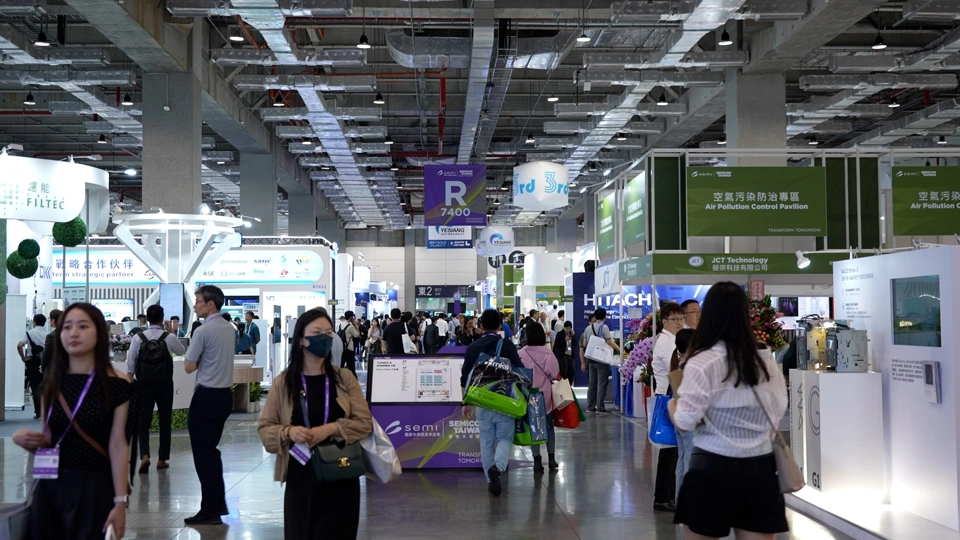
The discussion comes as Semicon Taiwan, Asia's biggest chip industry convention, wraps up in Taipei.
---
Global Economic Reordering
REPORTER:
Taiwan's foreign minister says the country doesn't just want to be a critical manufacturing node, but wants to help other countries develop their technology and even regulation.
Lin Chia-lung (FOREIGN MINISTER):
Taiwan seeks to move beyond the concept of simply being a critical node in global supply chains, and we aspire to be a trusted partner and a king maker
Lin Chia-lung made the remarks at a semiconductor supply chain forum hosted by the Chunghua Institution for Economic Research. He explained Taiwan's government wants to take collaboration beyond trade and investment, to include research, talent, standard setting and technological governance.
Experts agree that the world is moving away from unrestricted economic dependencies, as countries value caution and trust – and Taiwan's companies and government can play a key role in leading the change.
Taiwan's former representative to the European Union says that as a winner of globalization, Taiwan now has a role in helping its partners rebalance towards a system that is more stable and secure.
REPORTER:
Roy Chun Lee (CENTER FOR INTERNATIONAL TRADE POLICY, CIER):
Taiwanese have been identified as the most important beneficiary of globalization in the last 50 years.
But over the period of 50 years, we realized that in many parts of the world that the cost is now a become a major political economic issue, right?
So we are looking at rebalancing because the cost of globalization, because of the concentration of the supply chains, are creating security problems, are creating political problems. So we need to rebalance.
The forum concludes a week of meetings and discussions as Taipei hosts Semicon Taiwan, Asia's biggest chip industry convention.
REPORTER:
Glenn Tiffert:
We're moving from a period of really unreflective globalization from which many of us benefited because it was under, you know, undergirded by agreements about certain institutions and values in the world that China is challenging. And we need to move towards a more intentional globalization that still is globalization. No one country can do it all, but it is about building concentric circles of trust among partners and then offering others on ramps to join those concentric circles so that they can also benefit,
 04:03
04:03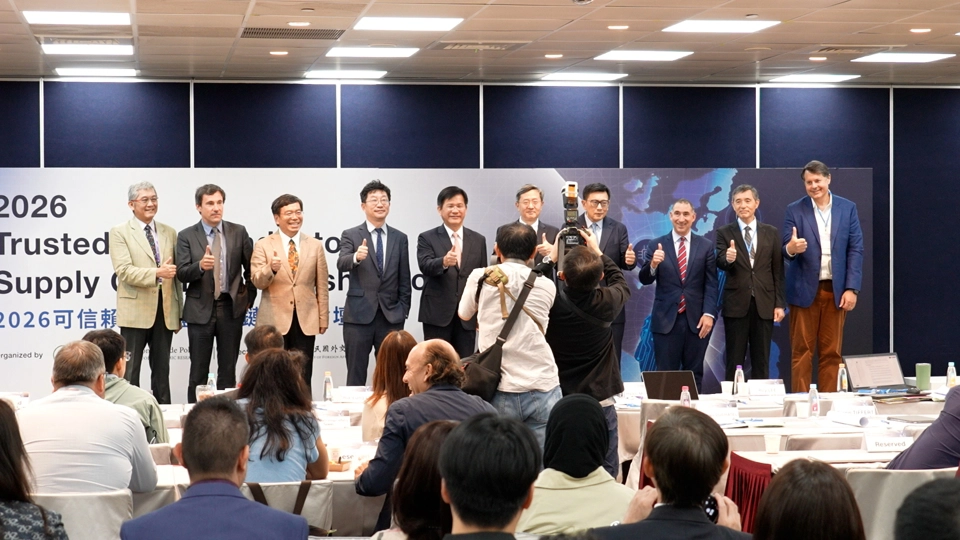 01:00
01:00 01:21
01:21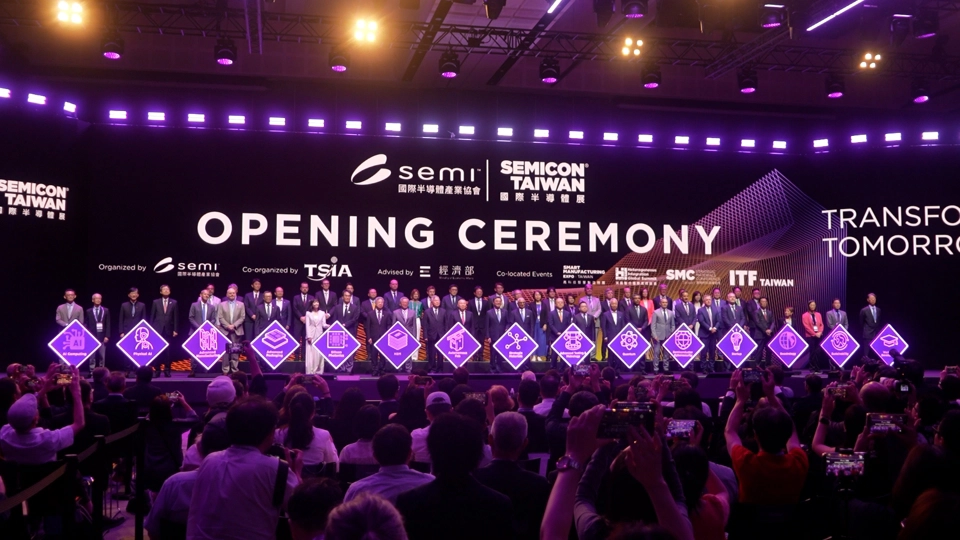 04:22
04:22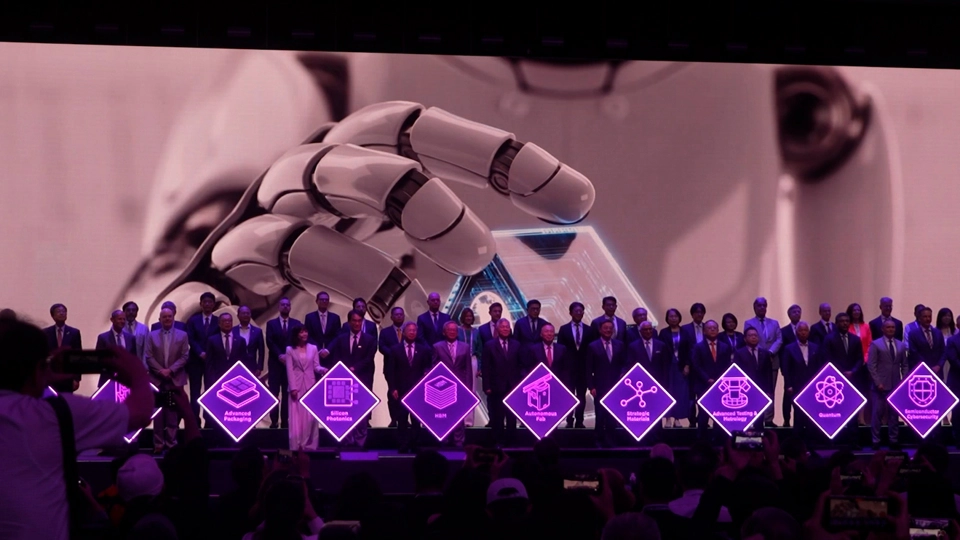 02:25
02:25 03:25
03:25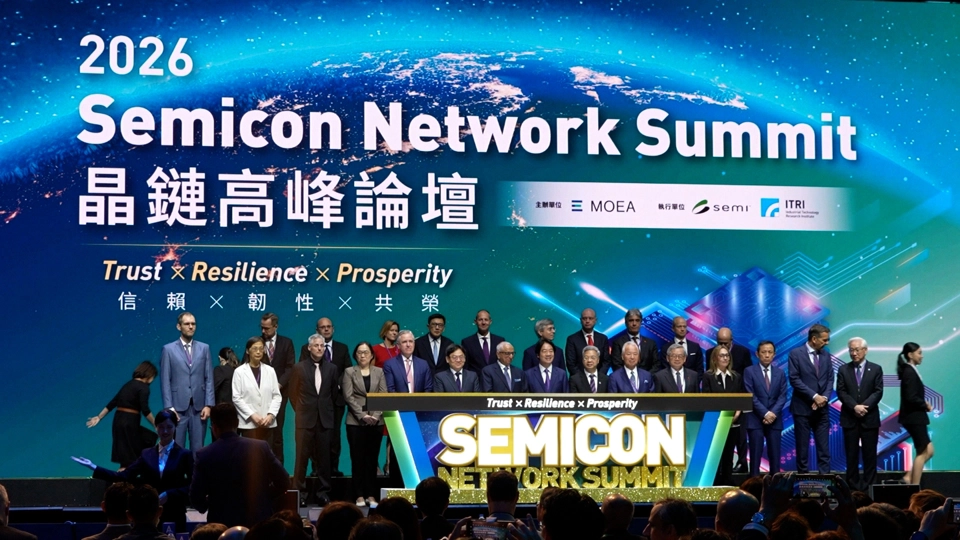 01:08
01:08 01:06
01:06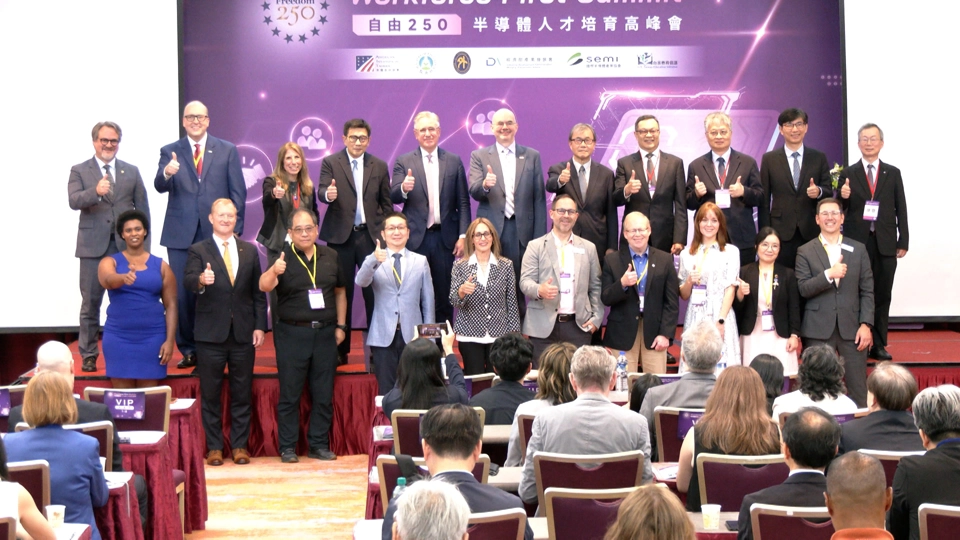 01:14
01:14 00:52
00:52 00:35
00:35 01:50
01:50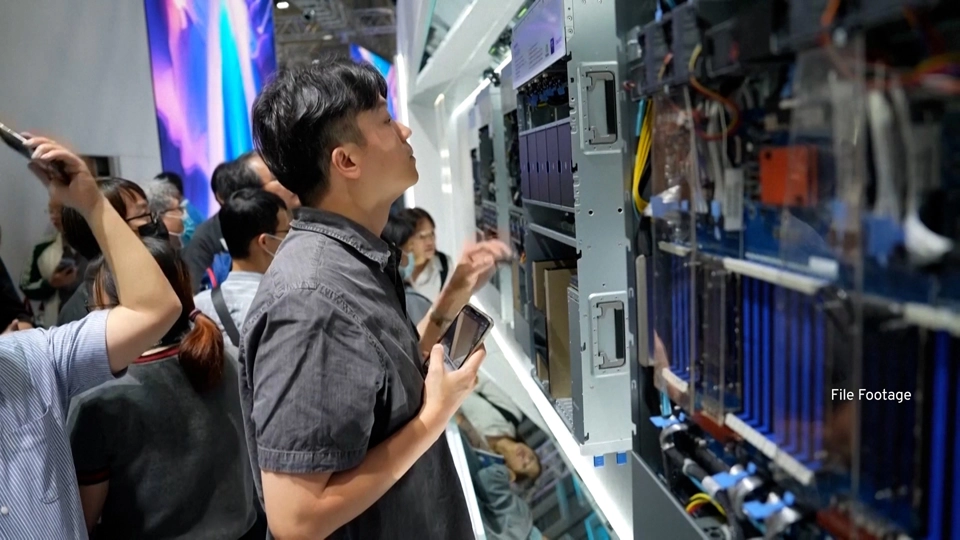 00:33
00:33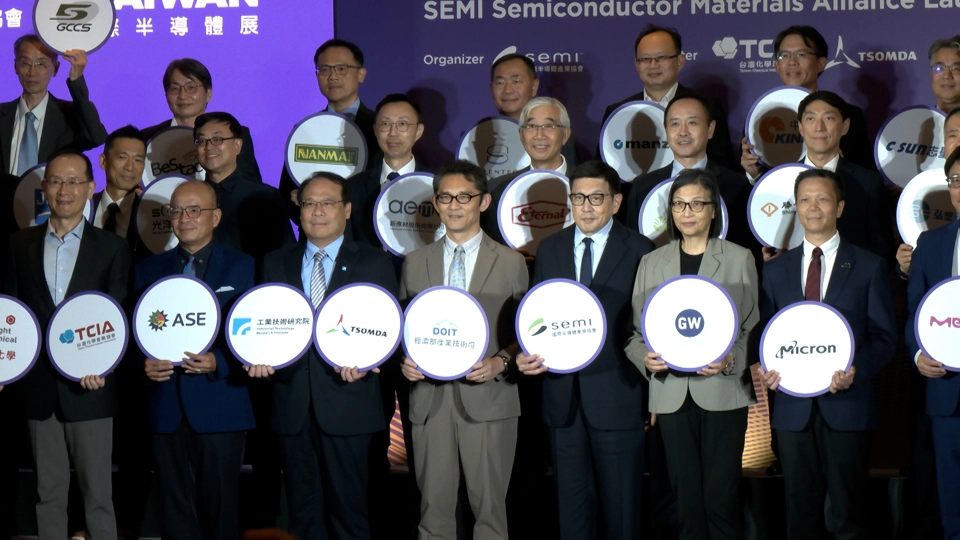 01:03
01:03 01:02
01:02 02:16
02:16