REPORTER:
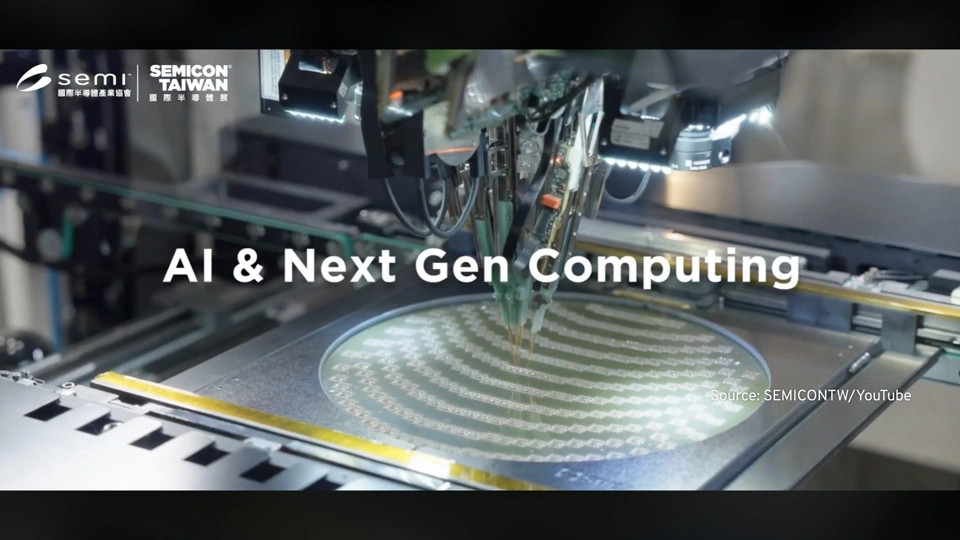
Your phone, your laptop, apps made by trillion-dollar AI companies—all powered by chips. Most likely made in Taiwan. Taiwan helps power much of the tech we rely on every day, and Semicon, the world’s leading semiconductor trade show, is where the top players in the industry come together every year in Taipei.
REPORTER:
This year's event comes as Taiwan continues to capitalize on surging global demand for AI. The country has a dominant role in the semiconductor supply chain, manufacturing more than 90% of the world’s most advanced chips. Industry-wide revenue is expected to reach nearly US$300 billion in 2026—that’s a 40% jump from last year.
REPORTER:
Semicon is a global series of semiconductor industry events organized by Semiconductor Equipment and Materials International, or SEMI.
REPORTER:
The show was launched in 1995, when Taiwan’s semiconductor industry was just taking off. This followed efforts in the 1970s to develop the sector, with now market-leading chipmakers UMC and TSMC founded in the 1980s.
REPORTER:
Over the past 30 years, Taiwan’s chip industry benefited from booms in PCs, laptops, consumer electronics and smartphones. And now it’s AI driving the latest wave of economic growth. This year, Semicon is expected to break records again, with over a thousand companies attending, attracting over 100,000 estimated visitors from around the world.
REPORTER:
On the agenda is a range of forums, including CEO summits and fireside chats with key AI supply-chain players. On the Taiwan side there’s Foxconn, MediaTek and packaging giant ASE. Global firms will include Google, Nvidia, Meta and Micron.
REPORTER:
This year’s theme is “Transform Tomorrow.” Many Taiwanese companies are expanding into the US and around the globe as geopolitics and economic environments are in flux. The AI boom, tariffs and conflict in the Middle East are all factors that event organizers say are changing the sector’s dynamics.
Terry Tsao (PRESIDENT, SEMI TAIWAN):
The face of the industry is being reshaped.
So whether we look at the future of technology
supply chains, global collaboration or talent development
the semiconductor industry is undergoing a major shift
and building a whole new ecosystem and landscape.
REPORTER:
Semicon 2026 will also focus on advanced processes and packaging, silicon photonics, quantum technologies and smart manufacturing, all emerging to meet rising AI demand.
Joanne Chiao (RESEARCH MANAGER, TRENDFORCE)
[Chipmakers] are building out capacity for advanced packaging
no longer operating under the traditional concept
of a single manufacturing facility.
The foundry model is evolving toward “Foundry 2.0”
where companies are beginning to expand both upstream
and downstream across the value chain.
REPORTER:
The global semiconductor market is expected to surpass US$1 trillion in 2026, with few signs of the current boom slowing down.
But while participants at this year’s Semicon may be riding the AI wave, they’ll be focused on the evolving tech landscape and whether Taiwan’s manufacturing prowess will remain at its center.
 03:25
03:25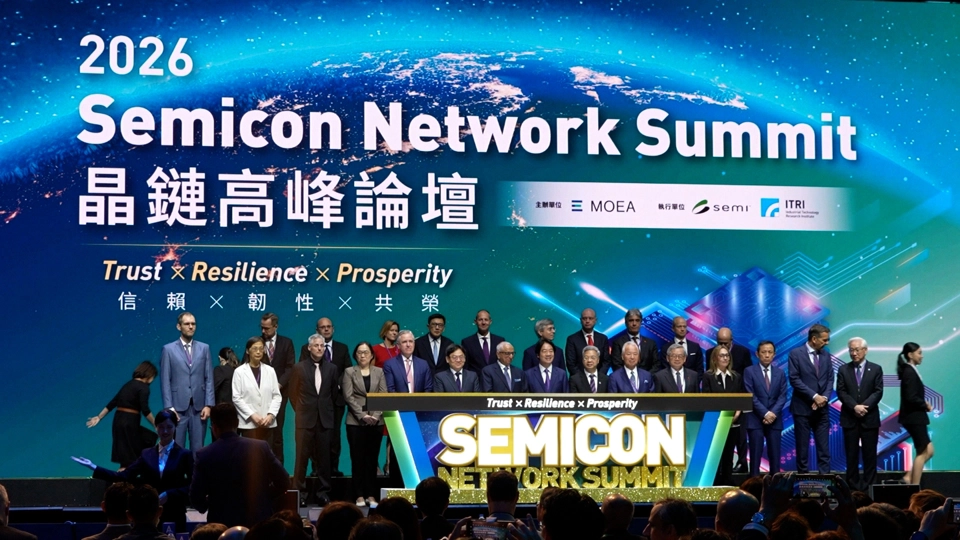 01:08
01:08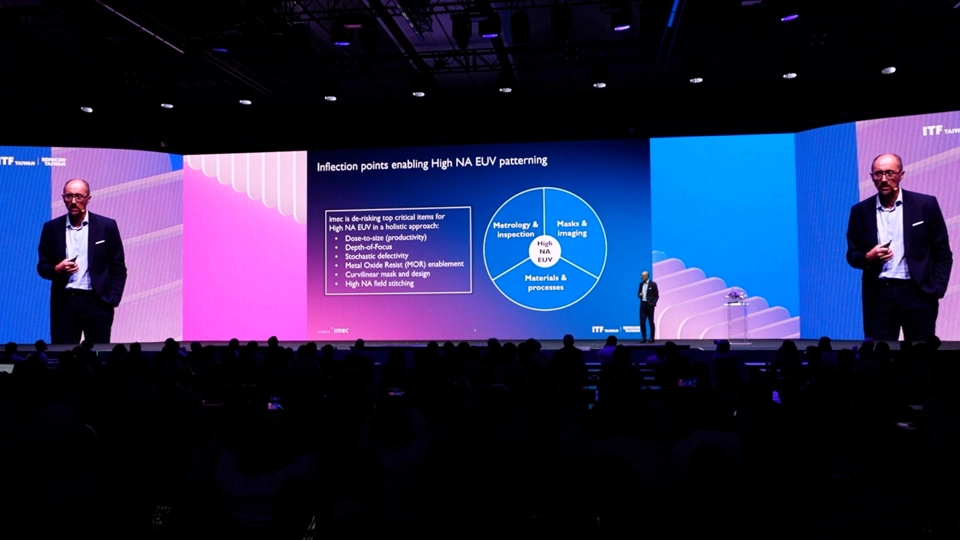 01:06
01:06 01:14
01:14 00:52
00:52 00:35
00:35 01:50
01:50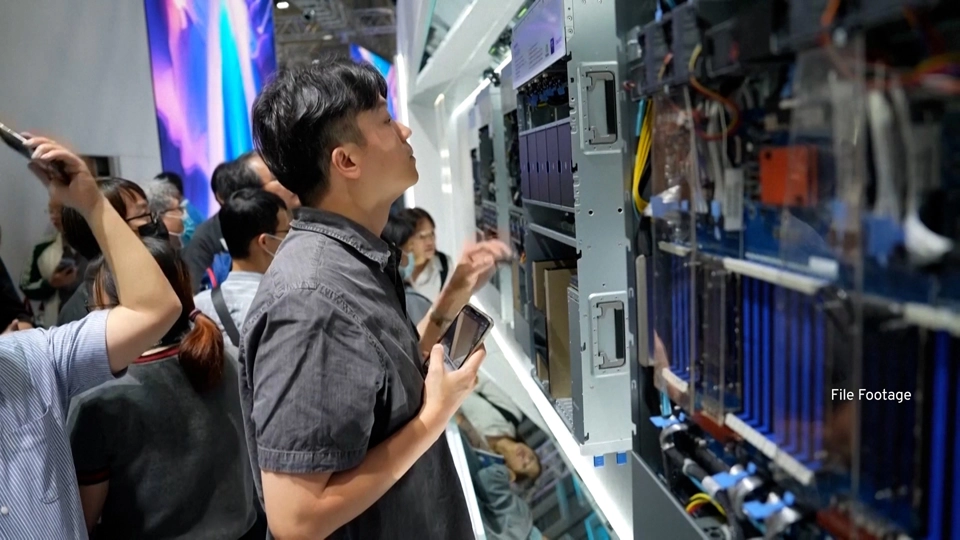 00:33
00:33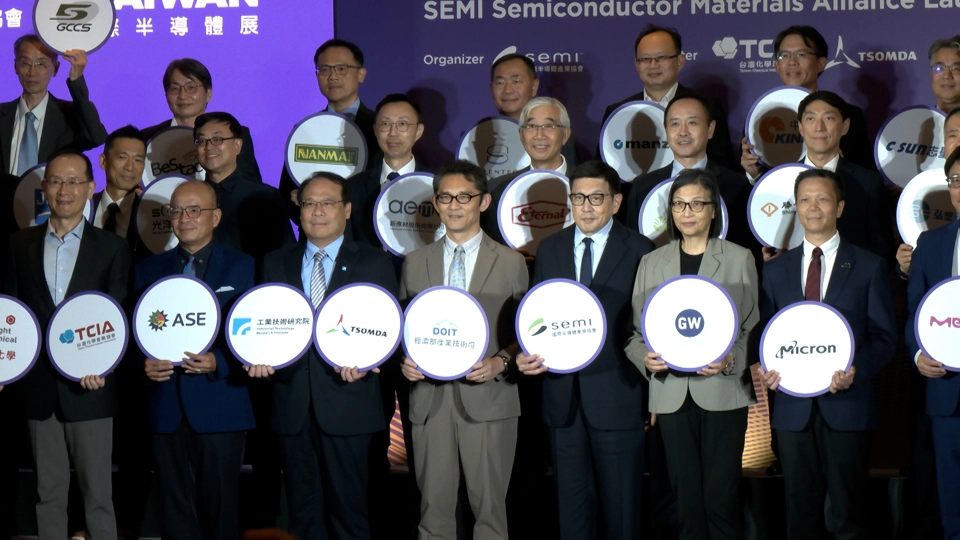 01:03
01:03 01:02
01:02 02:16
02:16 02:53
02:53 04:46
04:46 01:56
01:56 03:16
03:16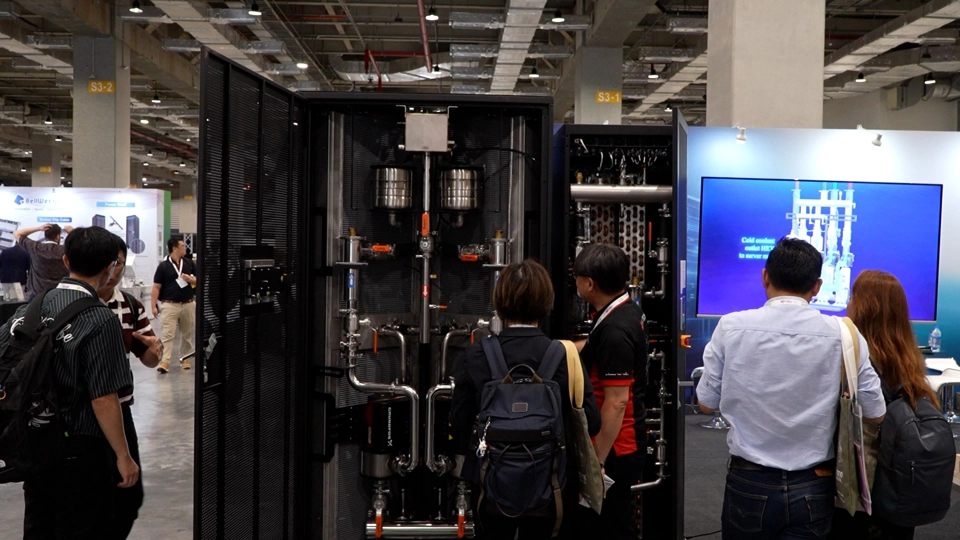 02:09
02:09