REPORTER:
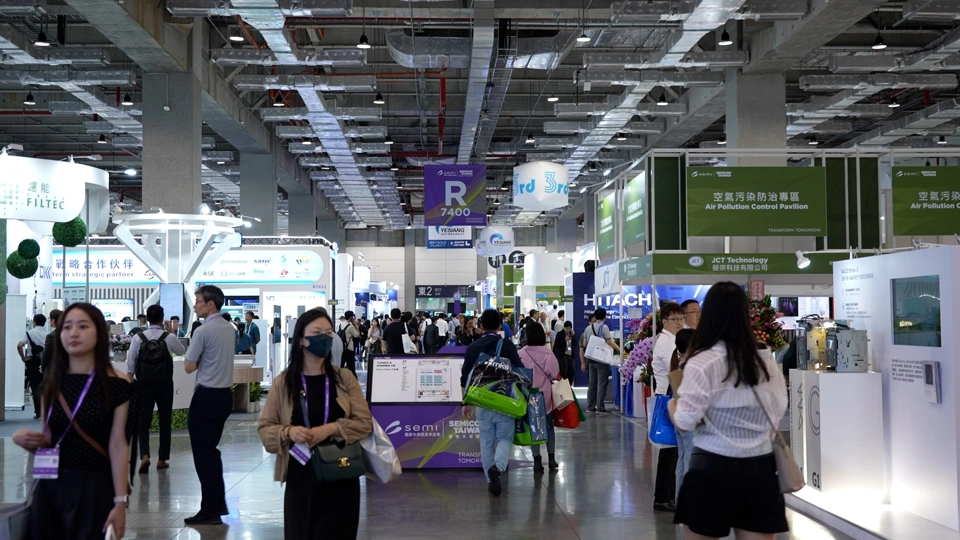
This year’s Semicon has seen a record-high 18 countries represented at the Global Pavilion, with their companies hoping to connect with Taiwanese semiconductor firms and create more business opportunities.
Three first-time participants from Europe and the Americas share why they came here and what they hope to gain from the event.
REPORTER:
Mexico is highlighting its strategic location near the US and TSMC’s Arizona operations. The country hopes to move up the supply chain beyond manufacturing. Taiwan’s Foxconn and Pegatron, among other companies, have factories in Mexico.
Name: Tony Lin
TITLE: TAIWAN OFFICE REPRESENTATIVE
CHIHUAHUA STATE GOVERNMENT
Location: Taipei
It’s about whether Chihuahua can play a role in the overall semiconductor ecosystem. We know that it may be difficult to directly enter areas like chip manufacturing or design but perhaps we can start with packaging and testing or other areas in the supply chain where we can first get involved and then gradually develop from there.
REPORTER:
Some Taiwanese tech firms, especially in packaging, have expressed interest in expanding to the Mexican state of Chihuahua. Meanwhile, the Catalonia region of Spain is also courting Taiwanese companies with local support and tax-free access to the EU market.
A Catalonian trade official says, Semicon offers a chance to directly engage with Taiwanese firms.
Name: Pol Arquimbau
TITLE: INVESTMENT PROMOTION MANAGER
CATALONIA TRADE & INVESTMENT
Location: Taipei
We have the Semicon, uh, in Europe many, many years. We hear it's important. So we thought Taiwan right now is one of the major places in our on earth to to have semiconductors. So why don't we come here?
REPORTER:
Finland, meanwhile, is focused on expanding tech collaboration with Taiwanese businesses and academics, including in quantum technology, which uses quantum physics to enable new capabilities in computing, communication and sensing.
Name: Lauri Raunio
TITLE: REPRESENTATIVE
FINLAND TRADE CENTER IN TAIWAN
Location: Taipei
There's a lot of things that Taiwan can contribute. And maybe Taiwan is not leading the quantum computing race, but they definitely are very significant player. And we see collaboration with Taiwan works well, and we want to continue that collaboration.
REPORTER:
Finnish representatives shared that more Taiwanese semiconductor industry professionals than expected have visited the pavilion and welcomed Taiwanese businesses to expand their presence in Finland.
REPORTER:
Beyond the first-timers, all the countries here share a common hope: to work with Taiwanese tech firms, leverage the country’s long-established semiconductor expertise and possibly attract more of their presence back home.
REPORTER:
The trend comes as the global AI boom fuels the semiconductor industry, with market value expected to surpass $1.5 trillion US dollars in 2026, up 90% from last year.
REPORTER:
This has also pushed Taiwanese businesses to grow their overseas footprint and capacity to meet demand. Experts note their main concerns when expanding abroad.
Name: Jerry Peng
TITLE: DIRECTOR, INDUSTRY CONSULTANT
MARKET INTELLIGENCE & CONSULTING INSTITUTE
Location: Taipei
The first consideration is whether there are customers and whether their demand can meet the wafer fab’s daily production and following orders for that production. Local talent also matters in terms of whether there is engineering and technical talent as well as infrastructure such as water, electricity and land. We also need to consider the convenience of local transportation and whether there are nearby equipment and materials suppliers that can provide support.
REPORTER:
Experts see this as a positive development, as it could enable Taiwanese firms to leverage local resources, such as talent and land, to further boost their companies’ growth. They regard this as the beginning of Taiwanese tech's global expansion.
Name: Jerry Peng
TITLE: DIRECTOR, INDUSTRY CONSULTANT
MARKET INTELLIGENCE & CONSULTING INSTITUTE
Location: Taipei
Taiwan currently accounts for more than 80% of local semiconductor companies’ production capacity while our overseas operations account for only around 15% to 20%. So we are gradually expanding our footprint overseas. Looking at these numbers Taiwan is still our most important production base.
REPORTER:
As the chip business shifts from “Made in Taiwan” to “Made with Taiwan,” the country’s tech prowess is expected to continue reaching further across the globe.
 04:03
04:03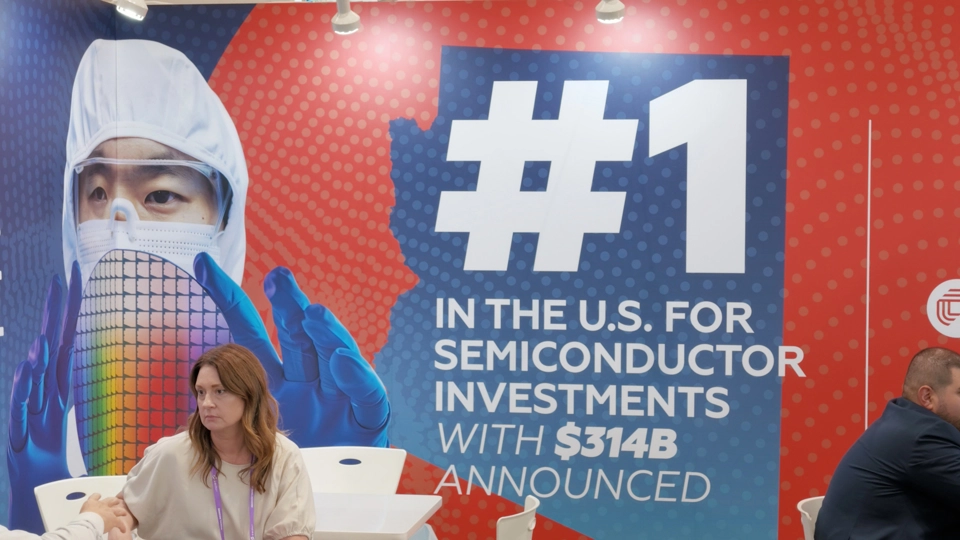 02:47
02:47 04:22
04:22 01:47
01:47 01:24
01:24 02:25
02:25 00:29
00:29 03:25
03:25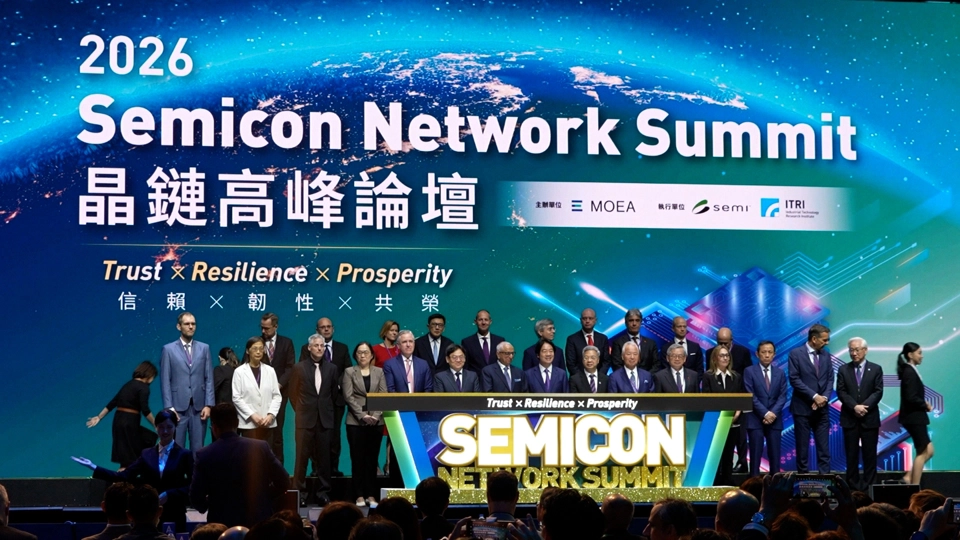 01:08
01:08 00:30
00:30 02:33
02:33 00:32
00:32 00:40
00:40 02:03
02:03 02:16
02:16 02:16
02:16