Taiwan’s Red-Hot Economy
REPORTER:
Predictions for Taiwan's red-hot economy keep getting better, with annual GDP growth now projected to reach its highest level in almost 40 years.
Lien Hsien-Ming (PRESIDENT, CIER):
This is the third time we have revised
our GDP growth forecast upward this year.
We now project full-year growth of 12.16%
with roughly half driven by domestic demand
namely investment and consumption
and the other half by exports.
REPORTER:
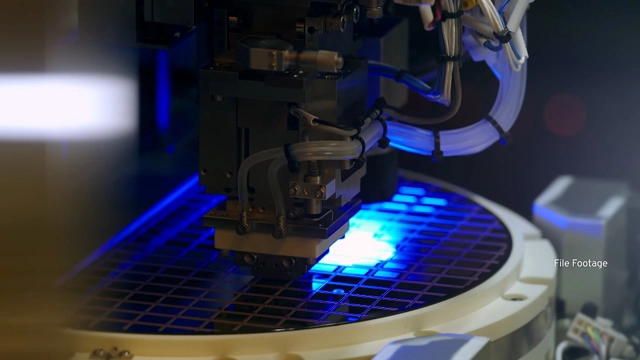
The revised estimate was released by the Chung-Hua Institution for Economic Research, one of Taiwan’s top economic think tanks. It said growth has been driven mainly by the AI and tech sectors and total exports for the year could reach 900 billion US dollars. Inflation is expected to edge above 2 percent, owing to rising fuel costs from the Middle East war and other factors.
---
Taiwan’s Booming Economy
REPORTER:
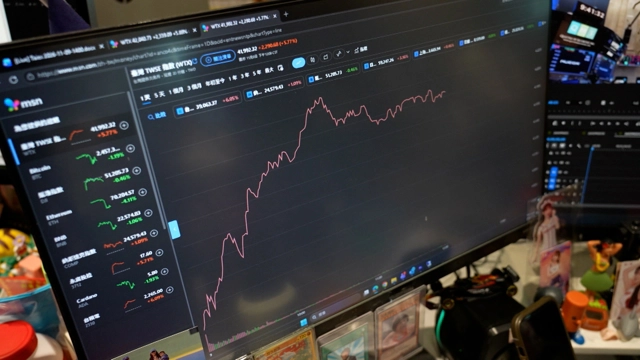
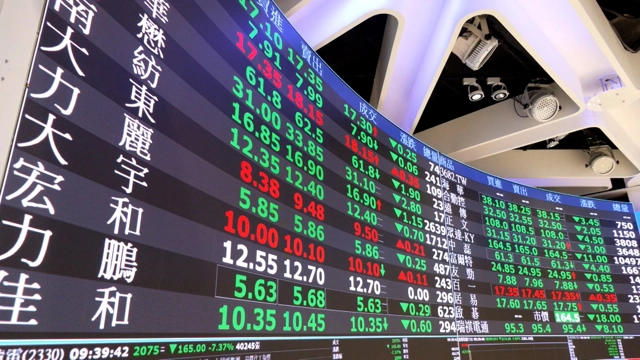
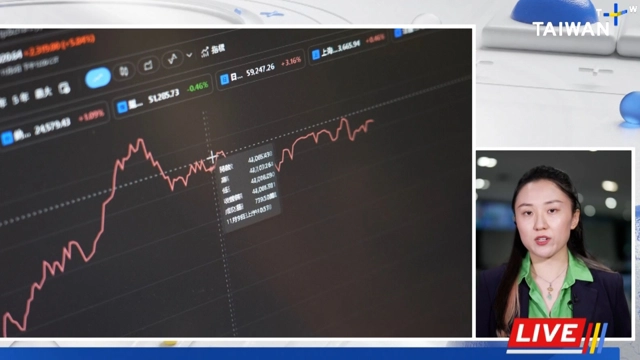
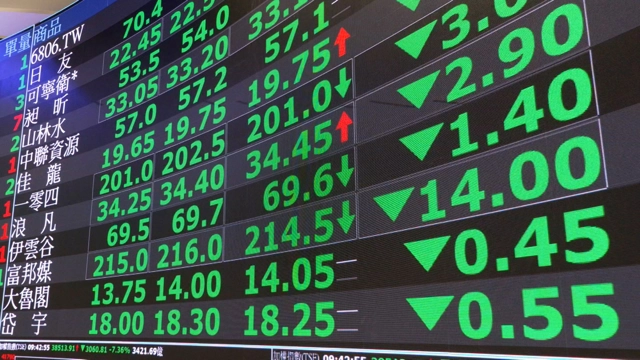
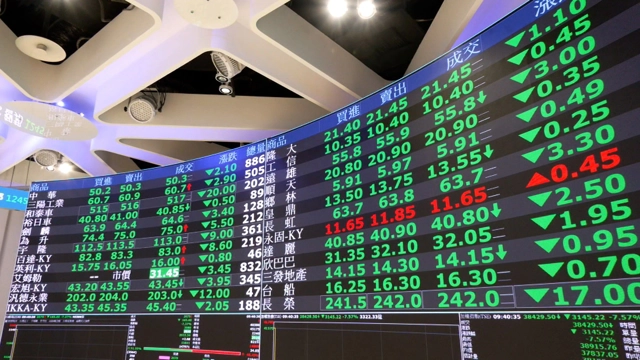
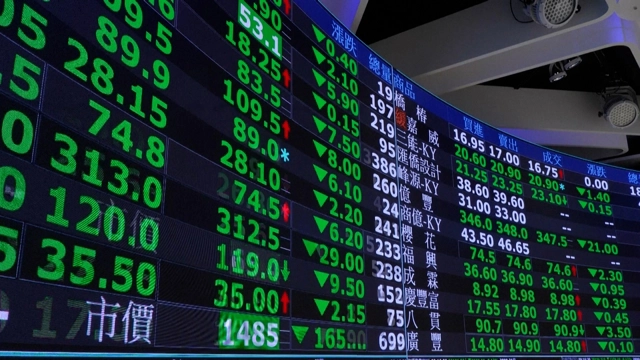
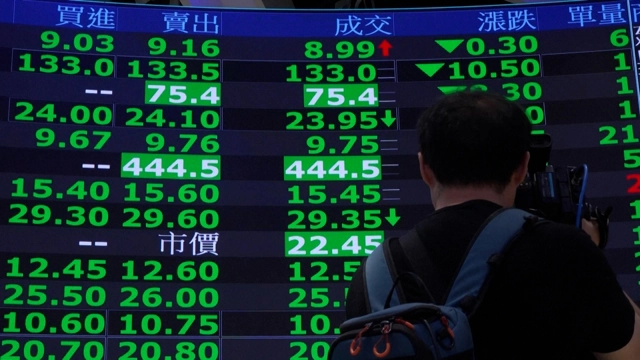
Taiwan's economy is thriving, with annual GDP growth projected to exceed 12%, fueled by the global AI boom, according to the country's top think tank.
Lien Hsien-Ming (PRESIDENT, CHUNG-HUA INSTITUTION FOR ECONOMIC RESEARCH):
This is the third time we have revised
our GDP growth forecast upward this year.
We now project full-year growth of 12.16%
with roughly half driven by domestic demand
namely investment and consumption
and the other half by exports.
REPORTER:
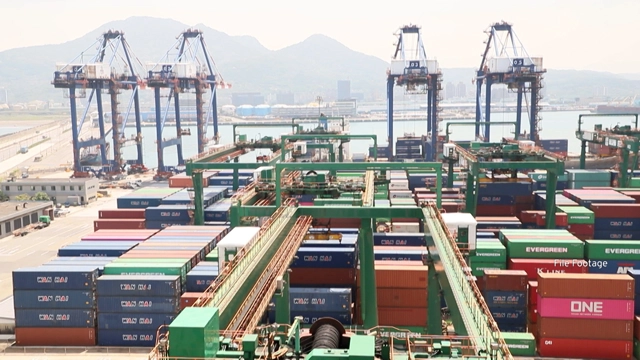
The projected growth rate is the highest since 1988, driven by strong momentum in AI and tech sectors. Investment and exports remain robust, with Taiwan’s annual exports potentially reaching US$900 billion this year.
Inflation is expected to edge above 2%, as global fuel prices remain elevated amid geopolitical uncertainty in the Middle East and weather-related factors.
 00:35
 02:04
 02:36
 00:47
 03:01
 00:38
 00:36
 02:07
 00:28
 00:33
 02:22
 00:32
 02:14
 01:10
 02:31
 00:30