TSMC’s revenue outlook for the fourth quarter beat analyst expectations by quite a bit. Why is that?
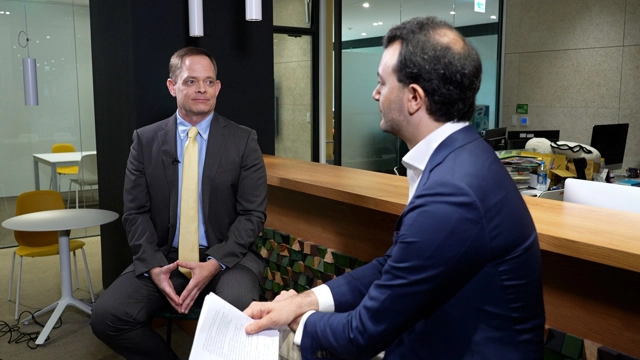
DAN NYSTEDT, RESEARCH ANALYST TRIORIENT INVESTMENTS:
"Demand is very high, which I think everybody knows AI. The whole megatrend is going pretty much as TSMC has been forecasting for quite a while now. And you've heard from other companies as well. And I'm not sure if you if you listen to what TSMC has been saying, they they'll they talk in a conservative way, but then they often, if you pay attention to their CapEx was raised. Right. Their capital spending was raised. Their view for the full year revenue was raised, things like that. They kind of give you hints that things might be better than you are looking at."
So we're seeing two nanometers already generating 8% of revenue in the third quarter, and we have 33% for the three nanometer node. Now it looks like, uh, the demand for three nanometers is especially high, and they're going to invest more in that. What does that mean for TSMC's plans and for its profitability?
DAN NYSTEDT, RESEARCH ANALYST TRIORIENT INVESTMENTS:
"Well, it obviously it absolutely means more money for TSMC. So the it's and it's interesting because TSMC has long had a bit of a policy where once they've built out a node like the three nanometer, they don't go back and build more. They have their plan, they build their capacity plan, and then they rarely go back and do more. But in this case, they are. And it's simply because in terms of AI accelerators for those chips, they're a little bit behind the leading edge. And so when you get to the three nanometer, that's a very, very popular manufacturing process for TSMC to bring in customers and to have their chips made on three nanometer. Now, two nanometer is also quite exciting. And they did say that they expect their capacity to double next year in two nanometer. So on three nanometer, you're bringing on three new fabs. And then they also added a new an additional one that will come on in Tainan. So it's four. And then in two nanometer their capacity will double which which is an awful lot of leading edge capacity. And the leading edge is where the big money is for the company. Those are the most expensive wafers they sell."
And revenue is up, but gross margin is down. Tsmc said that it's mostly due to the two nanometers ramp up and also US fabs. What do you make of that?
DAN NYSTEDT, RESEARCH ANALYST TRIORIENT INVESTMENTS:
"Well the I mean for two nanometer and for any new node you know they're spending a lot more in R&D. They're spending a lot more on building out the capacity. And so some of that's just the expenses that go along with that. And it's very normal that that happened with three nanometer that happened with five nanometer that happened with previous nodes. So it's very expected now. So for TSMC, it's new for TSMC to be building so much overseas. So when you go to they said, I think 3 to 4% impact on gross margin, which which is for the US fabs. And so that's, that's high. But over time that would that would come down. And as they build out more capacity so they'll have a bigger base. Those numbers will come down."
Now earlier this year, TSMC predicted a compound annual growth rate of 25% through 2029. And they haven't updated that. But with such revenue growth, is that still realistic?
DAN NYSTEDT, RESEARCH ANALYST TRIORIENT INVESTMENTS:
"It's it really needs a the number needs to be updated. And I, I kind of assume that they will within the next their next financial conference or the one after that. It's. What's interesting about them this time is if you do 44% revenue growth this year and you get a number of like a full year number for revenue, you get $176.3 billion. Now, based on the old model of 25% from 2024 to 2029, you would have had 176 billion in next year. At the end of next year, that would be your full year 2027 revenue. So they've done that a year early based on that 25% number. So clearly they're ahead of plan, very far ahead of plan. And, uh, going forward, I would think if you started now and said 2026 to 2030, you would, you could go conservatively with 25%, your midpoint could be 30%. And then you're optimistic view would be 35% revenue growth. And of course, that's huge for a company as big as TSMC."
What reasons did TSMC give in this conference call for for their trust in the continued AI mega trend.
DAN NYSTEDT, RESEARCH ANALYST TRIORIENT INVESTMENTS:
"The way they're planning things out still seems is still very positive for the AI mega trend. I mean, when they talk about capital spending, of course, this year capital spending is over $60 billion. And what they said is for the next three years, it's going to be significantly higher than the past three years. So next year, some people are forecasting 70 billion or 75 billion in CapEx. Uh, you know, these are massive numbers. And at some point you look at that and you think, well, TSMC is growing so fast this way. At what point does their revenue double? And we're looking at 2029. By 2029, TSMC revenue double based on the AI trend and how fast it's growing and expanding capacity. So the other part of that is CC Wei, the chairman of TSMC. He did make a comment about the AI accelerators in particular, where he said he was asked, do you still think that the compound annual growth rate is around the mid to high 50%. And he he basically said he thinks it's higher than that, even higher than he wouldn't even change it to high 50s. He would change it to higher than that. So yeah, these are very positive comments for the AI trend and everything else. They said robust demand significantly higher. These are all the the wordings that they were using. So things look great for the AI megatrend."
 05:19
05:19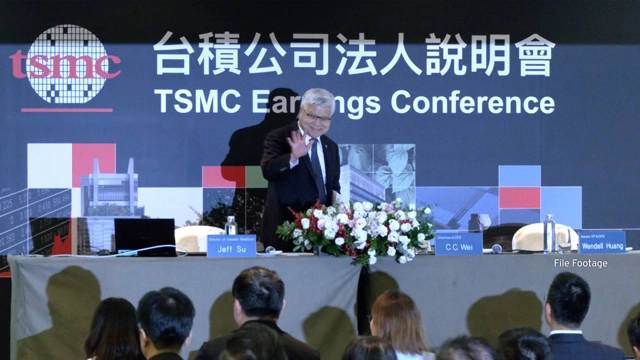 02:11
02:11 00:56
00:56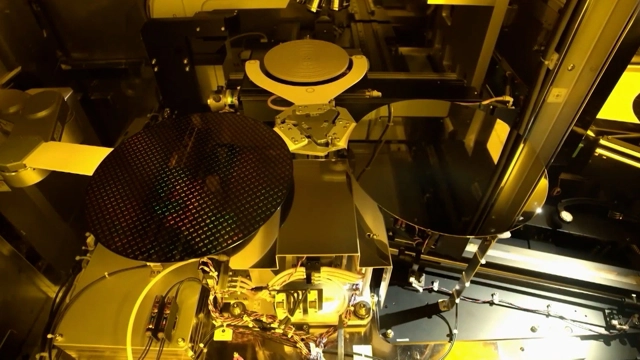 03:41
03:41 03:32
03:32 01:53
01:53 00:32
00:32 03:40
03:40 00:44
00:44 00:43
00:43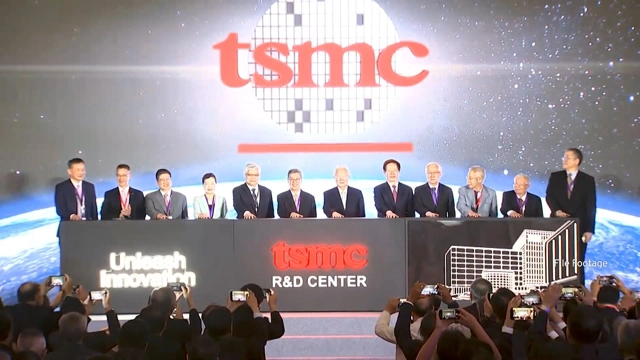 00:25
00:25 00:54
00:54 01:49
01:49 00:30
00:30 00:30
00:30 01:33
01:33