Analysis: Taiwan, China and the Pacific Islands Forum
By Scott Huang/John Van Trieste
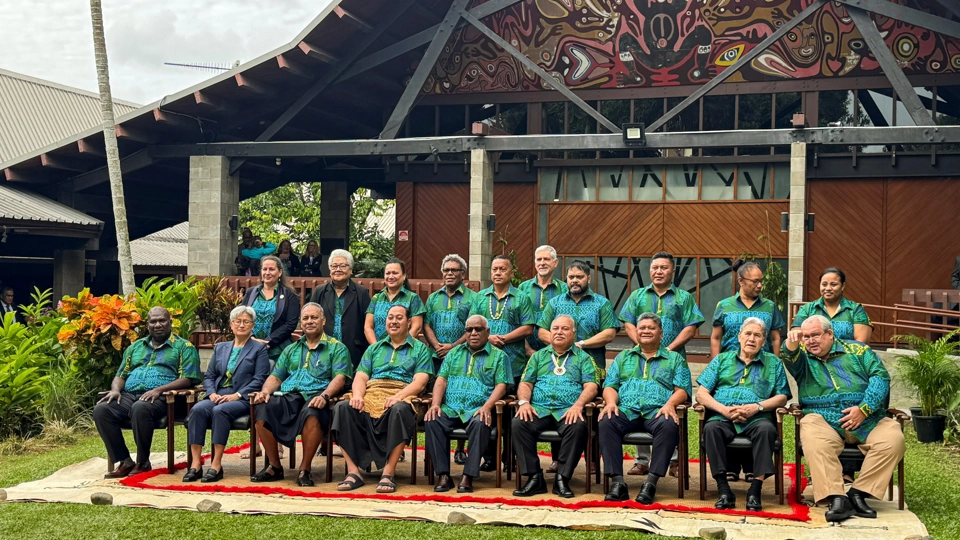
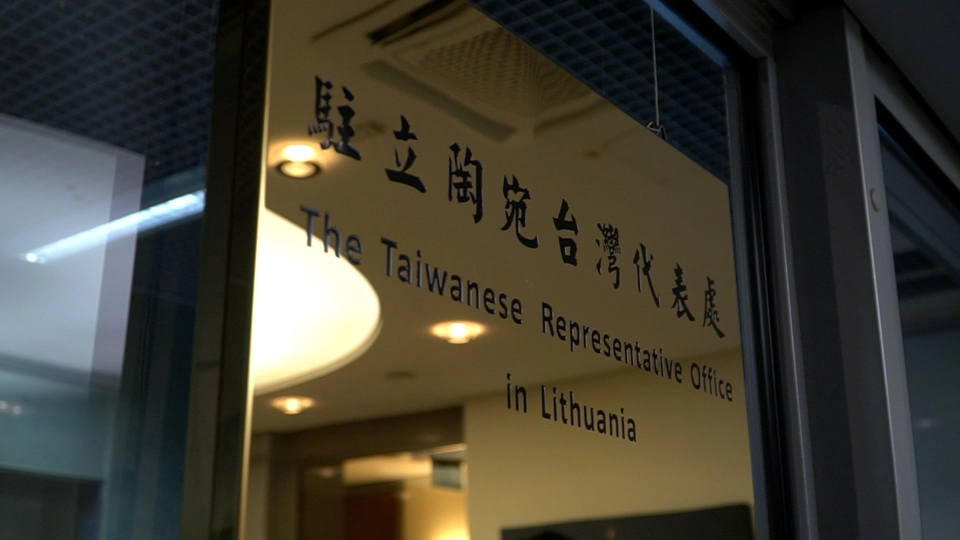
As leaders in the Pacific region prepare to meet for the next Pacific Islands Forum, Taiwan is set to return as an observer after the forum last year decided to keep outside observers away. Oliver Nobetau, director of the Pacific Islands Program at the Lowy Institute, discusses the implications as the region engages with multiple outsiders from the US and Australia to China.
Taiwan and the Pacific Islands Forum
---
REPORTER:
First of all, it's a question that many people, even in Taiwan might have is what role do these non-Pacific island nations taking part in this forum have? Are they just observers?
Oliver Nobetau (DIRECTOR, PACIFIC ISLANDS PROGRAM, LOWY INSTITUTE):
Look, primarily the non-Pacific island countries that come in, they are observers, but they are primarily development partners. Now, the scale at which they are sort of considered as development partners is varied. You have the really big development partners that reach across the whole region and provide sort of regional support. You're thinking of, well, Australia's a Pacific island country, right? But you think of the United States, you think of China as well, and then you have other smaller countries external to the Pacific Islands region, which also provide support, which is necessary, but maybe targeted towards particular countries.
REPORTER:
Now last year, as I understand it, none of these outside countries were invited. Could you explain once again why that was and why countries like Taiwan are coming back this year?
Oliver Nobetau (DIRECTOR, PACIFIC ISLANDS PROGRAM, LOWY INSTITUTE):
This was a decision of the host government at the time. Solomon Islands at the time was under the leadership of Prime Minister Manasseh Sogavare and the desire of Pacific Island countries were noting that in the past few years, 5 to 10 years, there's been an increase of external middle power and major power engagement into the Pacific. The problem, of course, is that Pacific island countries are relatively smaller than these external partners, so they don't necessarily have the capability to engage concurrently with all these development partners while also trying to meet amongst Pacific leaders themselves. So the idea and the thinking at the time was that no other external partner would come in, and that would allow the sort of breathing room.
REPORTER:
Are there likely to be some sort of tensions this year with Taiwan back and presumably China as well?
Oliver Nobetau (DIRECTOR, PACIFIC ISLANDS PROGRAM, LOWY INSTITUTE):
We see the tension not only amongst not sorry, looking externally towards either Taiwan or China and their attendance, but I think there's going to be friction in reaching that consensus as well on sort of the regional stability, a sort of regional position around the missile test and also the regional approach to security. But I think it speaks to the model in which the Pacific Islands Forum operates. It's very much a consensus based model. And when you're trying to get consensus among 17 different parties together, it's always going to be a challenge.
REPORTER:
You’ve just mentioned this debate over whether or not to condemn a recent Chinese missile test among these Pacific island nations. And notably, some of the ones that blocked a condemnation were former, until recently, allies of Taiwan. Do you read anything into that? And what does it say about the direction the region may be heading?
Oliver Nobetau (DIRECTOR, PACIFIC ISLANDS PROGRAM, LOWY INSTITUTE):
I don't think I wouldn't say that it's heading in a particular direction, but I think it reveals more the current state of play there, where there is external and external actors coming into the into the region, either whether this be sort of United States, China, Australia is bolstering sort of their position, being part of the Pacific family as well. But I think it also speaks to the fact that while it would be nice to have a regional position on a security and sort of that oceans of peace narrative that's being pushed forward, each country in the Pacific has an equal voice in the Pacific Islands Forum, and bilaterally as well, they have cultivated their own relationships.