Title: Former EVA Air Executive Charged with Spying for China
REPORTER:
A former executive for one of Taiwan’s flagship airlines is facing charges of spying for China. Prosecutors say the alleged spy tried to use personal connections and a bribe to get national security secrets. It’s part of a bigger pattern of China recruiting Taiwanese people to infiltrate the country’s institutions.
REPORTER:
A former EVA Air employee is the latest Taiwanese person caught trying to spy for China. He was posted to China in a senior role between 2012 to 2014—and by the time he came back to Taiwan, was in the service of Beijing with instructions to set up a spy web.
REPORTER:
Prosecutors say he turned to a former classmate with a job at the Mainland Affairs Council—the government agency charged with China-Taiwan ties. But the classmate turned down an offer of around US$3,000 for state secrets and reported the attempted bribe to officials.
REPORTER:
Now, the former airline exec faces charges of violating the National Security Act. In his case, that could mean up to seven years in prison and a maximum fine of more than US$3 million. But, as officials say, not all the facts of the case are out there yet.
DEFENSE MINISTER:
The details are unclear but I think we must strengthen our security education within the military. We need to step up our anti-infiltration and counterintelligence work. And we need to set up strict mechanisms for who has access [to secrets].
REPORTER:
This is far from the only Chinese spying case: prosecutions have been on the rise in recent years, and from the start of the year to September alone, there were 24 cases. But the tactic of getting an airline worker to spy is a bit unusual—Beijing often targets former military members, getting them to recruit active-duty personnel for spying. Some lawmakers say it’s time for Taiwan to tighten up protection of its intel.
LEGISLATOR (DPP):
I’ll also ask the National Security Bureau and other intelligence agencies in the legislature about setting up a cross-ministry system for reacting to suspicious incidents.
REPORTER:
A former defense official says Taiwanese should be cautious when people they know—maybe former university classmates—approach them with a proposition. He says the penalties mean spying for Beijing just isn’t worth the risks.
FORMER DEFENSE MINISTRY INSPECTOR:
People should have this kind of alertness. Don’t be greedy for a small bit of cash. No matter what intelligence you leak for that small amount of money it’s illegal.
REPORTER:
But Beijing has many ways of recruiting Taiwanese spies—from offering money to coercion. And the string of spy cases just this year shows that for many, China’s advances may be too hard to resist.
 00:37
00:37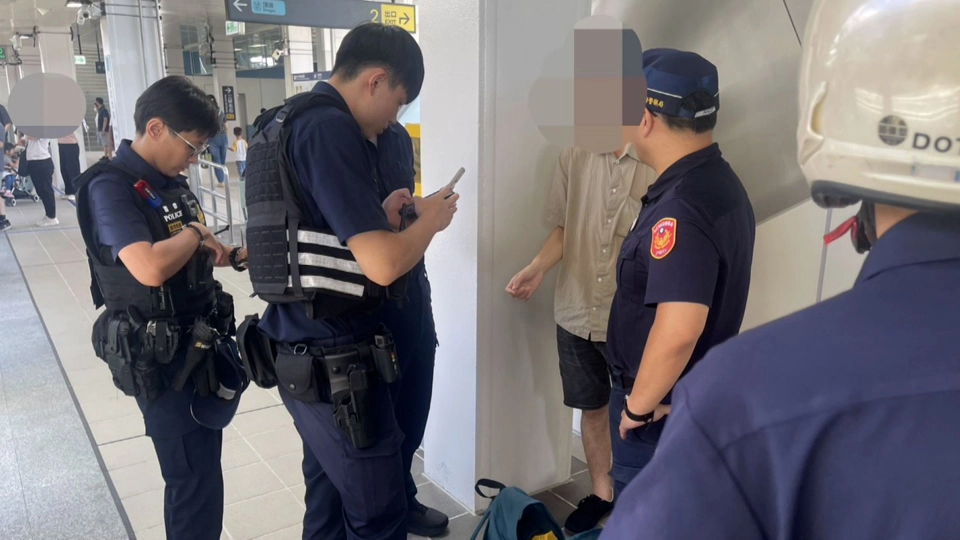 00:43
00:43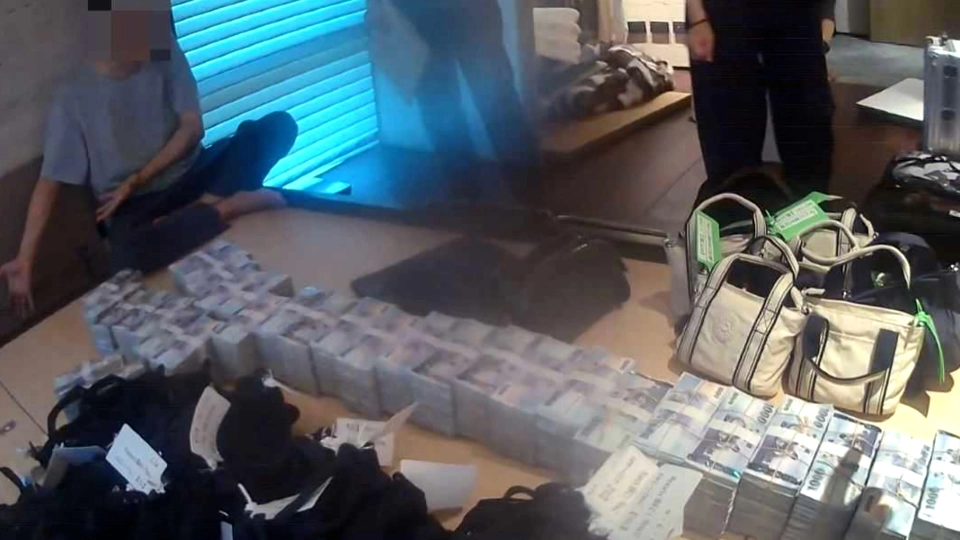 00:39
00:39 02:16
02:16 00:57
00:57 00:27
00:27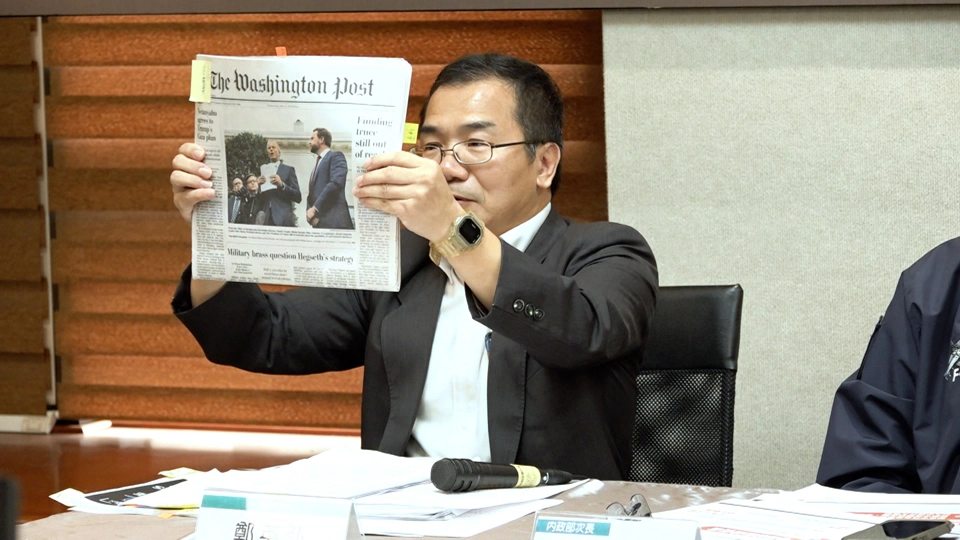 01:58
01:58 00:35
00:35 00:29
00:29 00:32
00:32 00:38
00:38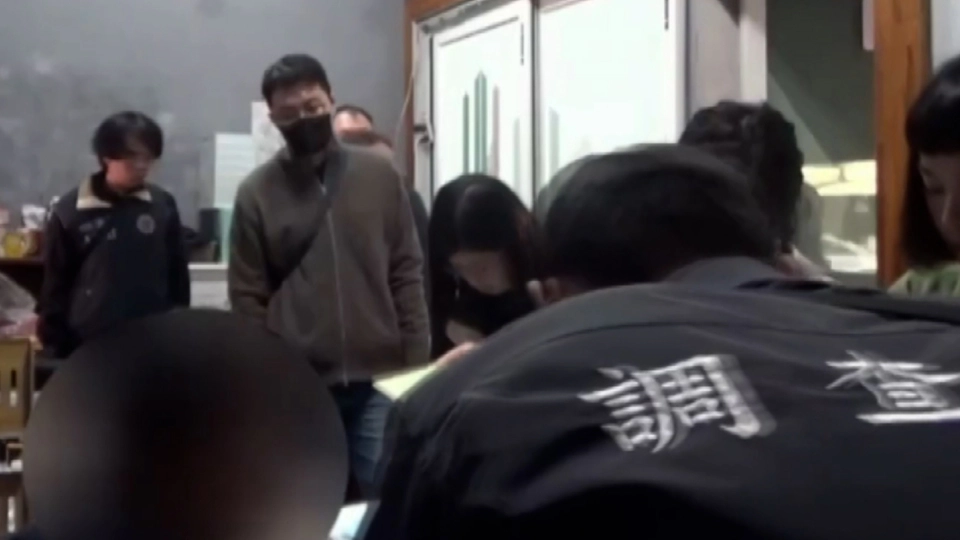 00:52
00:52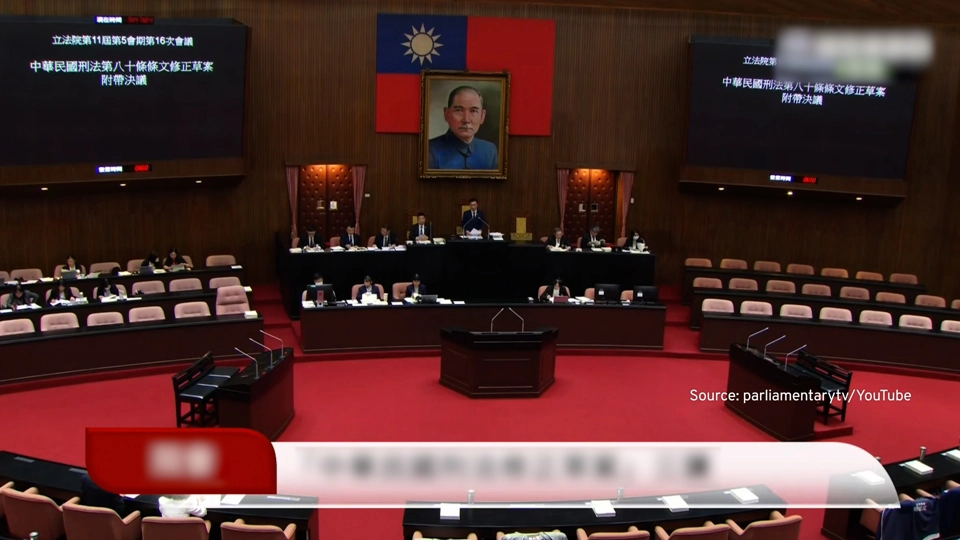 00:31
00:31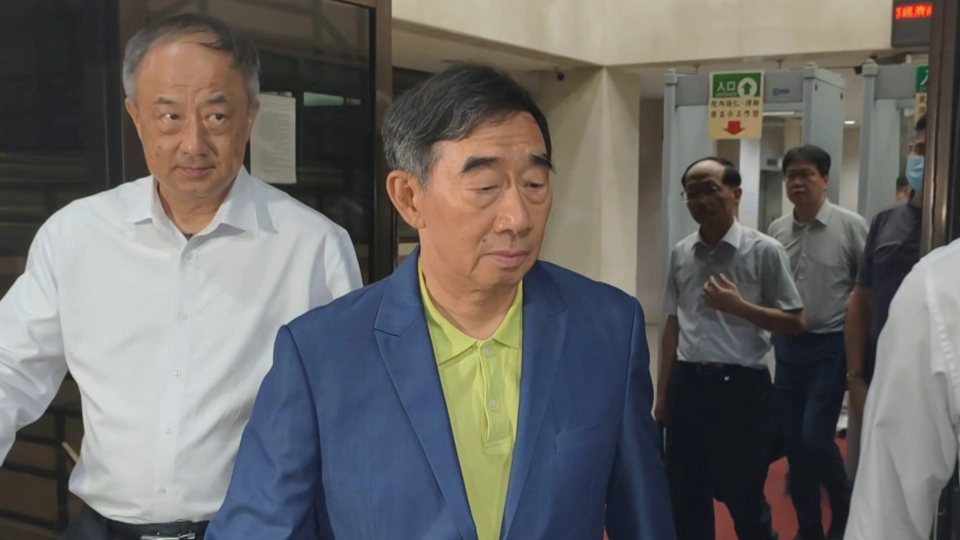 00:28
00:28 01:18
01:18 00:34
00:34