This AI-generated summary is based on reporting by TaiwanPlus and verified by newsroom fact checkers. Learn more about our policy here.
TAIPEI — As Taiwan’s top officials work to secure a favorable trade deal with Washington, business leaders across the country are mobilizing to protect their interests in a shifting global economy. With tariff negotiations ongoing and the local currency appreciating rapidly, Taiwanese companies are looking to diversify their overseas markets to ensure long-term survival.
Premier Cho Jung-tai, addressing concerns over the economic impact of recent U.S. tariffs and the strong New Taiwan dollar, stressed to the public that the local currency’s appreciation was not the result of pressure from Washington. Cho also said the first in-person talks between U.S. and Taiwanese negotiators last week were promising.
“The in-person negotiations last week proceeded quite harmoniously,” Cho said. “And laid a good foundation for the future.”
Following U.S. President Donald Trump’s “Liberation Day” tariff announcement, and subsequent pause of the highest rates, Trump has been claiming progress on trade deals with several countries. Although no major agreements have been formally announced, U.S. Treasury Secretary Scott Bessent emphasized that the policy is designed to boost American manufacturing.
“Tariffs are engineered to encourage companies like yours to invest directly in the United States,” Bessent said at a recent California forum. “Make your products here. You’ll be glad you did.”
As officials in Taipei and Washington seek common ground, Taiwan’s private sector is taking action. At a recent business forum in southern Taiwan, executives discussed how best to adjust to the new trade environment, with many advocating for international expansion as a key strategy.
“Everybody knows that we're an island type of country,” said Darren Wang of the Taiwan Investor Relations Institute. “So, we only have only 20 million people, and on the decline. So, there's no way we can go except going abroad.”
The forum, hosted by Taiwanese alumni of the University of Michigan, featured case studies on operating in markets such as Vietnam, Germany, and the United States. KC Kong, who helps Taiwanese firms invest in Michigan, acknowledged the concern over higher U.S. production costs but urged companies to think strategically.
“Certainly, there will be winners and losers,” Kong said. “Higher costs don't always translate into higher margin. But in this case, I think if you focus on the U.S. market, maybe the new change might create more additional opportunity that's not currently in the business plan.”
Others stressed the importance of a cultural shift. Allen Cheng, with Taiwan Eastbound Alliance – Landing America, said business leaders must be more assertive in negotiations.
“We Taiwanese usually just nod and say, ‘yes,’” Cheng said. “But this is not necessarily a good thing because you don’t express your voice. You don’t express your opinions and then many discussions are not effective.”
While it’s unclear what the result of Taiwan-U.S. trade negotiations will look like, Taiwanese officials say the two sides are committed to continued dialogue. In the meantime, many business leaders are determined to diversify and globalize — not only to survive the current turbulence but to thrive in a rapidly changing world economy.
 02:33
02:33 00:32
00:32 00:40
00:40 02:03
02:03 02:16
02:16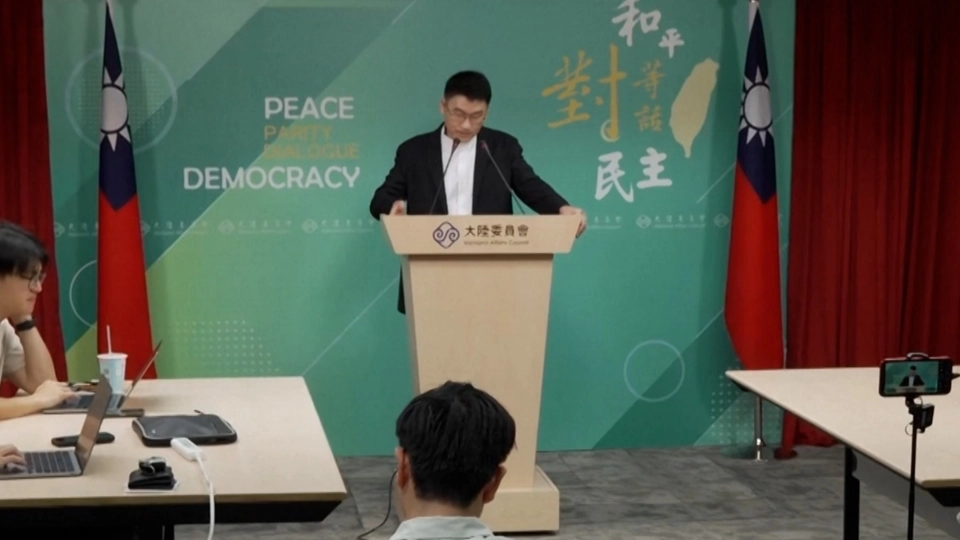 02:16
02:16 01:12
01:12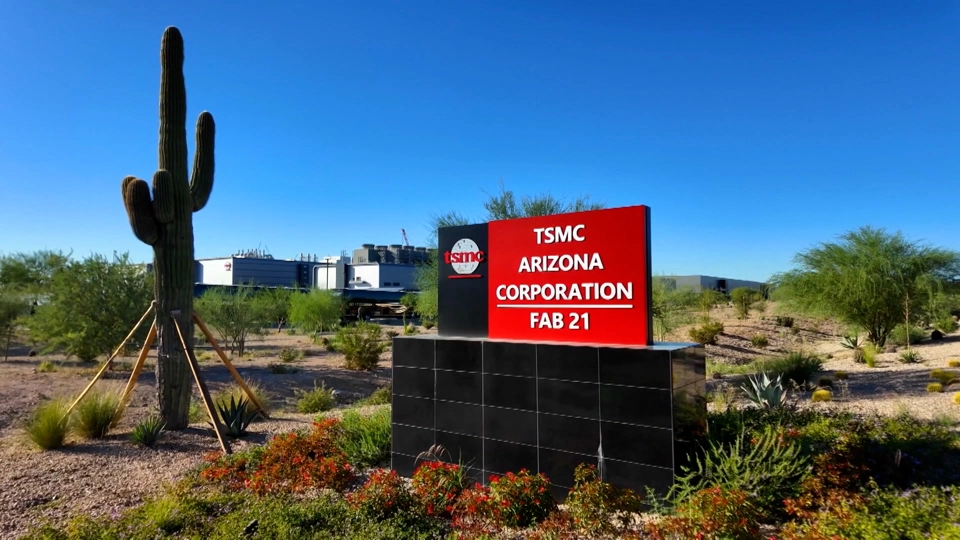 00:35
00:35 04:46
04:46 01:56
01:56 02:21
02:21 00:42
00:42 02:09
02:09 00:30
00:30 00:37
00:37 00:40
00:40