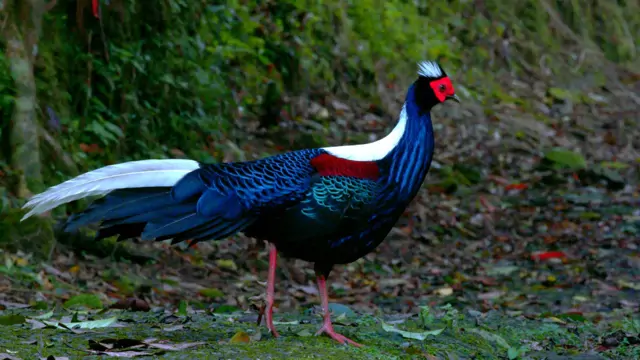
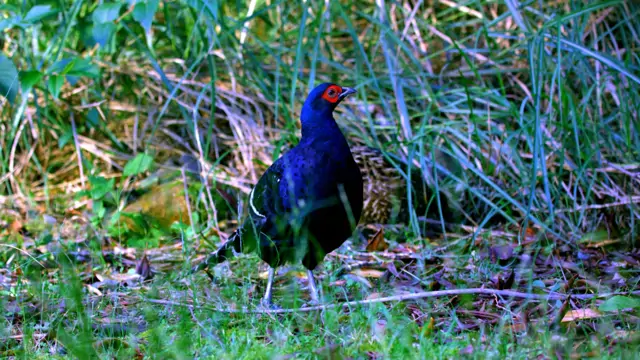
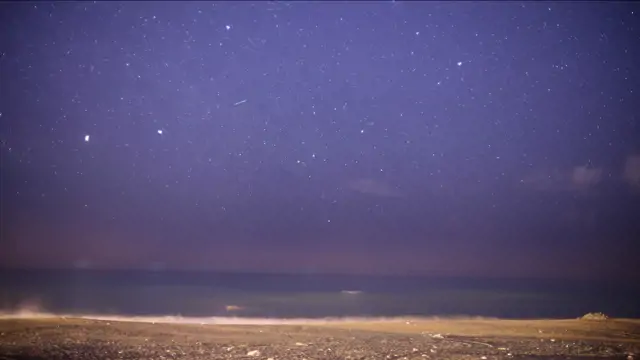
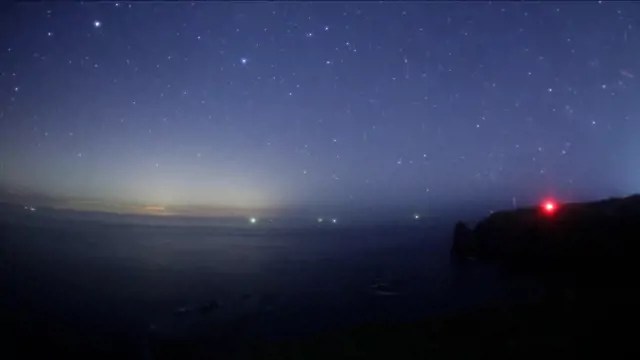
"Formosa Forevermore" is a documentary series that uses the beauty of wild birds and starry skies, paired with unique traditional songs, to engage international audiences. It tells stories that belong to Taiwan, guiding viewers from home and abroad to experience Taiwan’s ecology and environment.
How do you find the right place to see the Southern Cross in Penghu, an archipelago in the Taiwan Strait? Penghu has 19 inhabited islands; they are devoid of light pollution. And they are tiny, needing no more than an hour to get around on a motorbike.
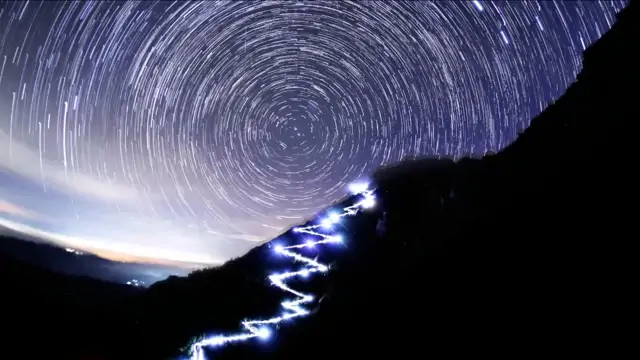
Since humans entered the Age of Discovery in the 15th Century, sailors have kept track of where they are at sea by observing the stars. This craft is called “celestial navigation” In the north, the Big Dipper points to the North Star, which helps locate the North Celestial Pole. To locate the South Celestial Pole, one would extend the long axis of the Southern Cross 4.5 times.
Imagine, on a night in May 300 years ago, the sight that befell immigrants on a boat sailing through the Taiwan Strait for Taiwan. They came across Penghu. The captain sees the Southern Cross right in the South just two hours after sunset, which represents the West. He sees the Big Dipper pointing at Polaris, representing North. He simply needs to keep sailing eastward to reach his destination—Taiwan.
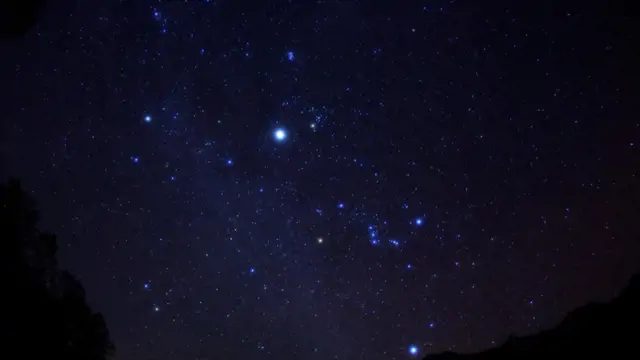
Ancient Chinese captains sailed endless, empty seas, and the stars in the sky served as their travel guide. The Southern Cross is patterned– because of four fixed stars, in various sizes.
From Earth’s current angle, it appears just like a Christian cross to the observer. After a hundred thousand years, the Southern Cross that guides to the south, and the Big Dipper that directs to the north today will have shifted locations and changed shapes. But the Milky Way is in the center of the sky forever…
During the day, simply use a compass or your phone to find the southern horizon. Then wait for night to fall, and you can see the same stars as 300 years ago. The poor peasants who braved the seas to immigrate to Taiwan relied on the Southern Cross to locate themselves as they sailed towards an uncertain but hopeful future.