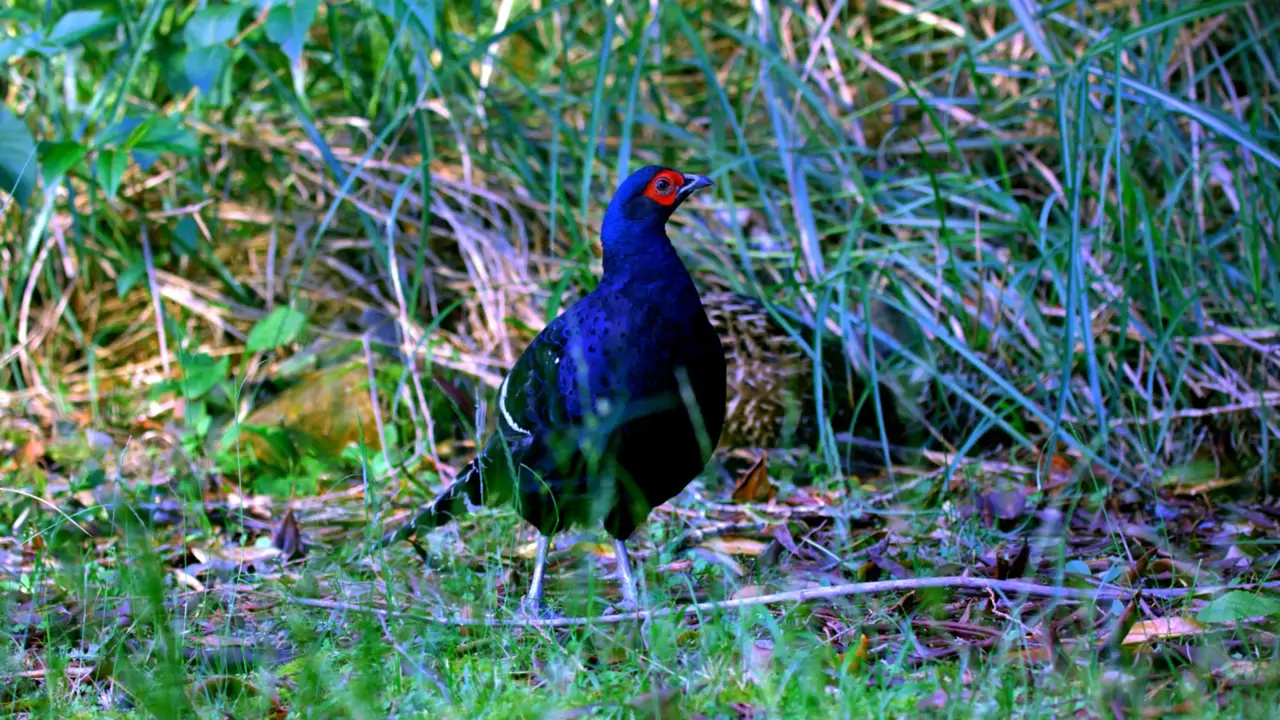
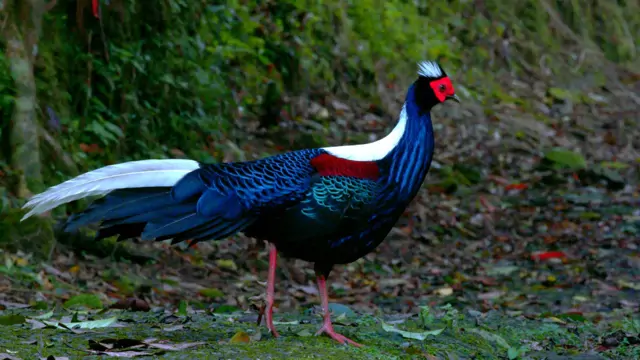
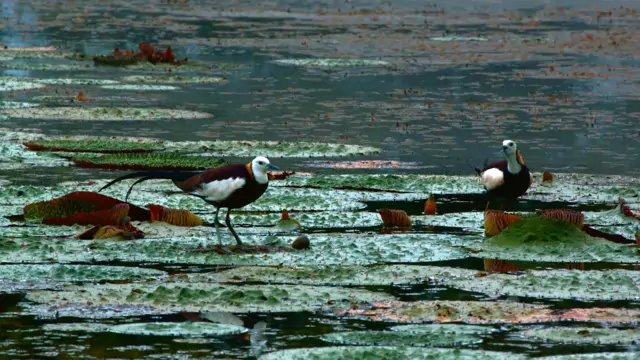
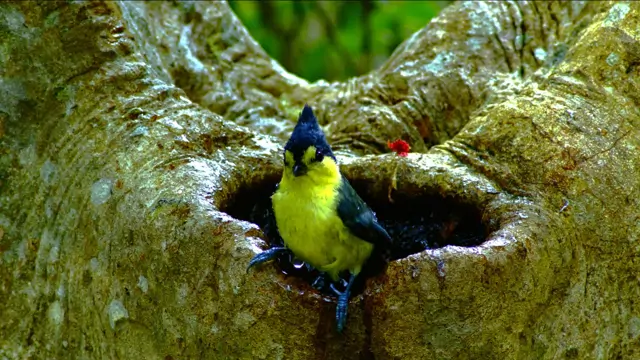
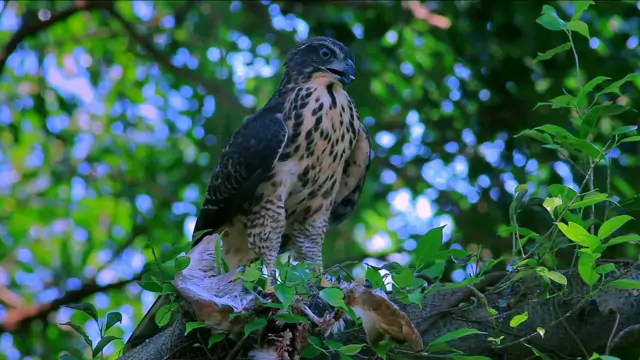
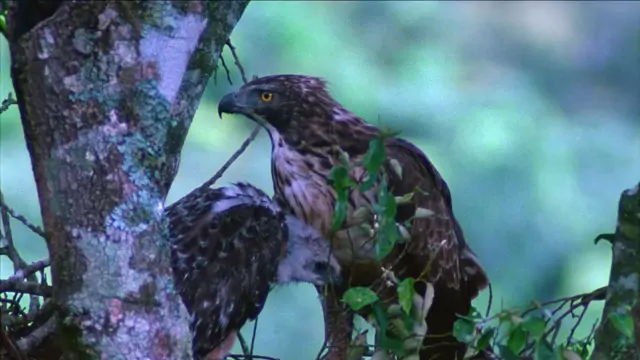
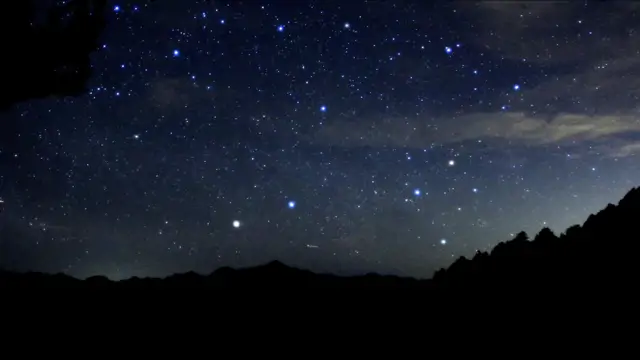
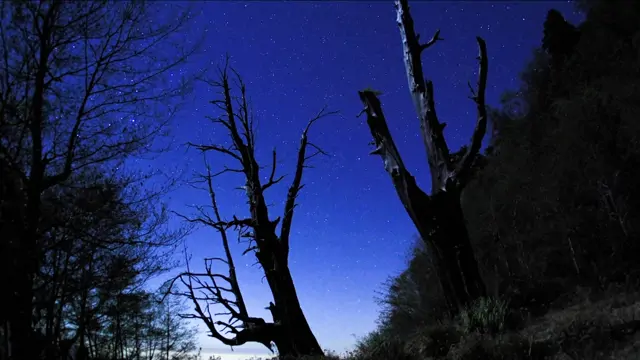
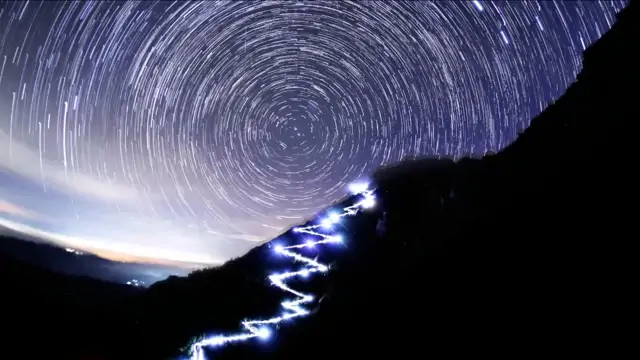
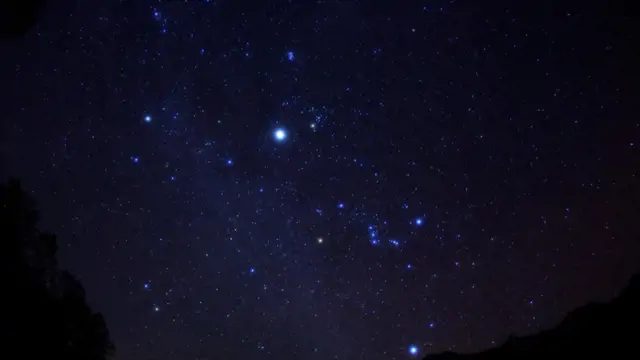
"Formosa Forevermore" is a documentary series that uses the beauty of wild birds and starry skies, paired with unique traditional songs, to engage international audiences. It tells stories that belong to Taiwan, guiding viewers from home and abroad to experience Taiwan’s ecology and environment.
Professional surfers spend their lives travelling around the world, chasing the tips of the tallest waves, to ride again and again...
Astrophotographers are the same, searching for the best atmospheric clarity to capture the endless starry sky at night. Usually, only by climbing up tall mountains can one avoid pollutants and impurities, dust and clouds. Yet before a typhoon strikes, the fast spinning of the atmosphere blows away impurities in the air, leading to great atmospheric transparency. These are the stargazing conditions of which amateur astronomers dream. An evening in September as a typhoon gradually approaches.
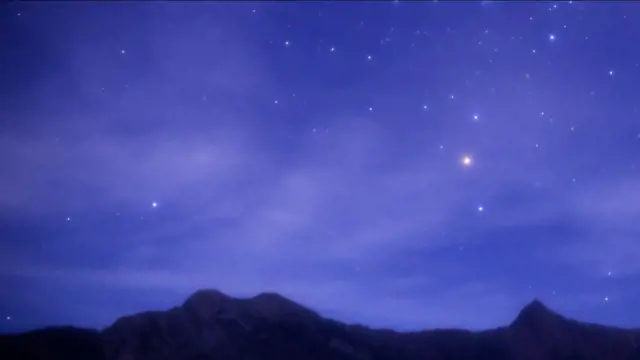
Location: Yushan National Park, Tataka Parking Lot. Altitude: 2,500 meters. 15-degrees Celsius.
After nightfall, the lower-level clouds on the sky sink due to the lack of convection. Cities below the mountains look up to an overcast sky, but atop the mountains, one can see the waxing crescent moon, and Venus, shining above the horizon in the west.
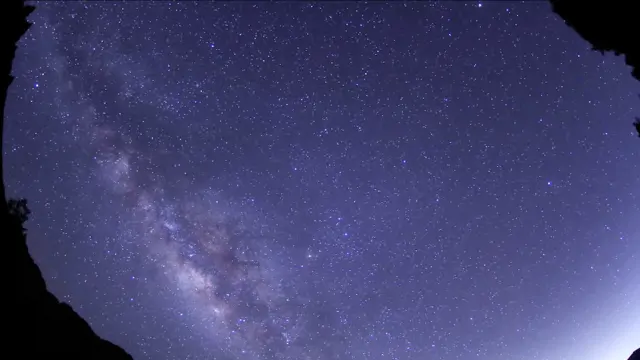
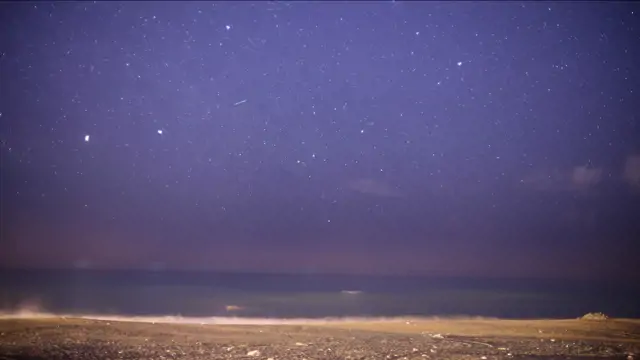
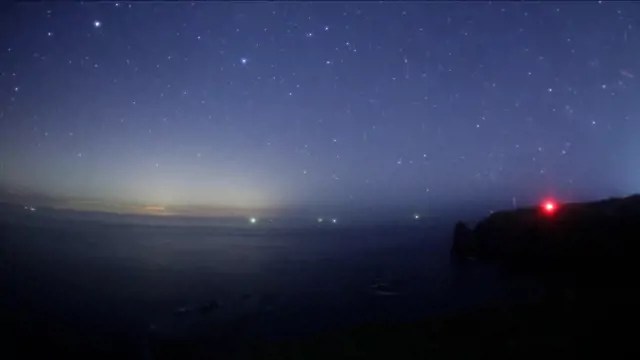
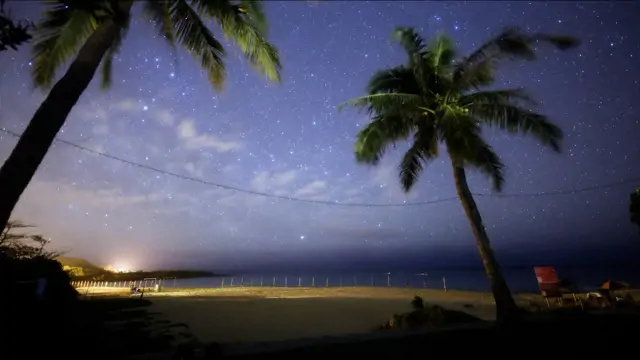
The Milky Way is splashed across the southern sky, and from south to north, dominating the sky. Clear of impurities and dust, the night sky’s galaxy shines especially brightly. As we look at weather satellite images on one hand and watch the starry sky on the other, storm clouds from the typhoon invade the sky like a tsunami around midnight, moving from east to west, another spectacular sight most people don't get to see. The starry sky on the eve of a typhoon’s arrival is something all nature-lovers should try to observe atop mountains.