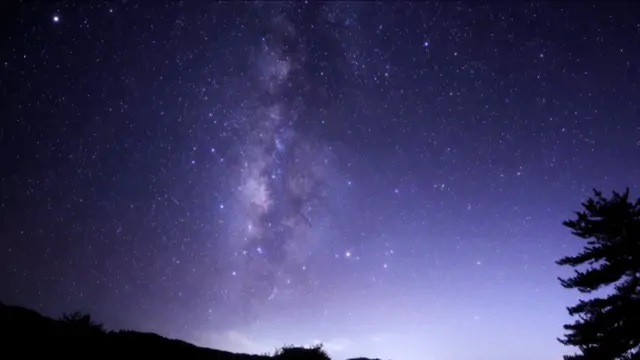
"Formosa Forevermore" is a documentary series that uses the beauty of wild birds and starry skies, paired with unique traditional songs, to engage international audiences. It tells stories that belong to Taiwan, guiding viewers from home and abroad to experience Taiwan’s ecology and environment.
In November, strong northeasterly monsoons rain down on Taiwan, bringing cold and gloomy weather to the island's north. It's not a great time to visit northern cities like Taipei, but it's a great time to head south in search of a magnificent sea of clouds.
In East Asia, clouds don’t rise higher than 2,000 meters in winter. But Taiwan’s one-of-a-kind terrain comes into play. The small island has 268 mountains over the height of 3,000 meters, a record high density!
As the heavy, low-hanging clouds of the northeast monsoon move southward, they are cut open by Taiwan’s towering Central Mountain Range!
This is why Taiwan could also be called: “The Island above a Sea of Clouds”
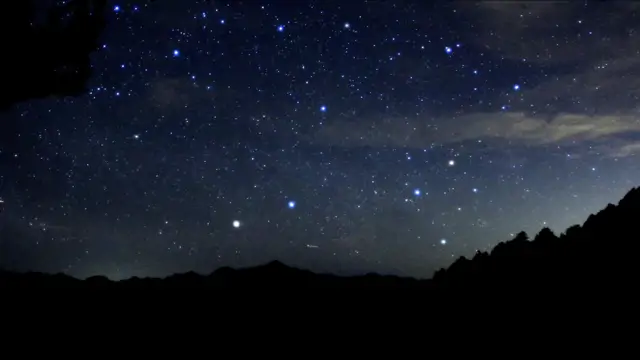
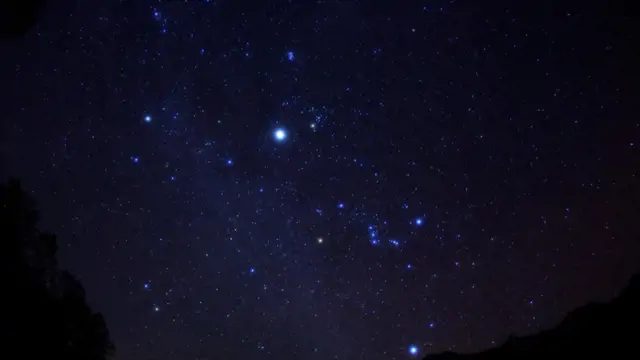
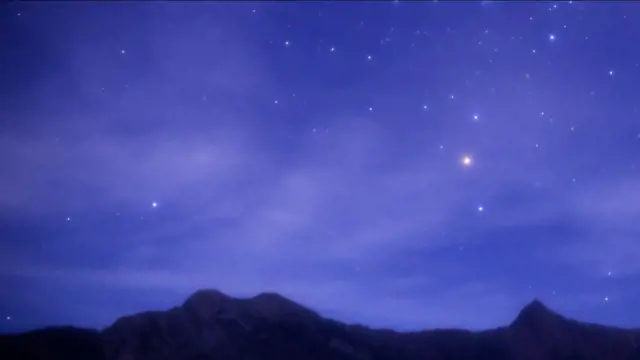
After dark, the sea of clouds subsides. If you stand on the Cross-Island Highway inside Yushan National Park, and look to the east, you can see Orion, the most famous and easily discernable constellation in wintertime.
Orion appears to be lying on his side. The first star to show up from the ridgeline is Bellatrix on the left shoulder, and Rigel on the left foot, then the three stars that make up the belt. Betelgeuse appears on the right shoulder, and Saiph on the right foot.