On the streets of San Francisco, it’s clear the AI revolution is already here. Ads for artificial intelligence plaster the streets and even the buses...and careers in tech seem to be heading in one direction with AI agents already doing much of the work.
LUCY PEN, SOFTWARE ENGINEER:
"I’m not sure, maybe in the future they don’t need me to give commands to AI anymore."
And it’s not just the job market that has people concerned. All over the world, fears are arising over cybersecurity...
CHOI JY, GAME COMPANY FOUNDER:
"Now, I am quite concerned about cybersecurity because even someone who has never hacked before can exploit vulnerable infrastructure using vibe coding."
There are fears around people becoming over-reliant on AI – and of the damage to the environment from the thirsty datacenters that power it.
CATALINA CRUZ, ADVERTISING STUDENT:
"So they completely lose their ability to think for themselves. And there's also the environmental issue, because it uses too much water, and people don't really grasp the seriousness of the matter."
...and perhaps the original fear, played out countless times in works of science fiction – that the robots will rise up and kill us all.
TARA KNIGHT, TRAIN PLANNER:
"It's pretty scary actually, reminds me of Terminator, I grew up watching those kind of films so it does worry you."
Last week, a former Anthropic and OpenAI employee warned that rogue AI could wipe out humanity by the end of the decade. Within days, leading players like Anthropic, OpenAI and xAI agreed on a need to slow down development. And Open AI says it’s going to publish regular reports on AI agents making unexpected or unauthorized moves.
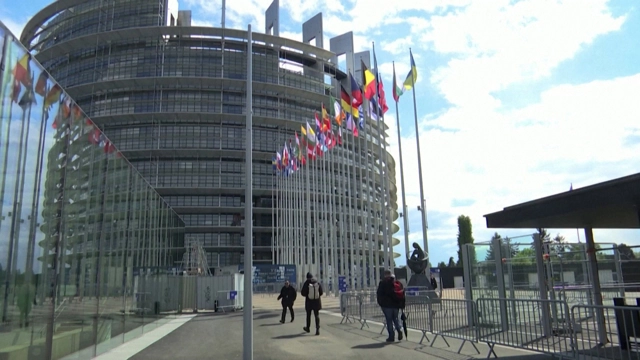
Some governments are taking action too: the EU is looking to support a slowdown with partner nations, favoring what it calls “AI Pacing” instead of breakneck development.
But these efforts may be little more than a sideshow without the involvement of the main rivals in the race for AI dominance – the US and China. There are signs of political will in Congress...
MARK WARNER, US SENATOR (D):
"And I don't think, whether we call it a pause or pacing, means that we're going to stop innovation. But I do think what Congress could do is put in place a framework for safety reviews. Nobody would climb on an airplane or drive a car without some level of outside safety reviews."
But US President Donald Trump is opposed to any slowdown that could give China an edge in the race. And he’s dismissed fears of runaway AI as a hoax.
China is wary, too, with an editorial in the state-backed Global Times saying the Anthropic CEO’s three-pronged approach to managing AI was a ruse to uphold US hegemony.
Negotiating the best outcome is hard when the parties involved mistrust the intentions of the other. And researchers warn AI agents are increasingly like their human creators in their capacity for guile and deceit.
DANIEL KOKOTAJLO, FORMER OPENAI RESEARCHER:
"In particular, we don’t seem to be very good making them honest, like at all. And so, if they end up in positions of power where they don't have to listen to us anymore, the world's going to be reshaped in their vision, and that's probably gonna be pretty bad for us. It might not be literal extinction, but I definitely don't want to find out what it's like."
And new predictions keep emerging. One of the latest, from Anthropic’s CEO Dario Amodei, is that agent swarms could take over the internet in as little as six months. Meaning calls to rein in AI’s rapid growth could keep growing louder.
Joseph Wu and John Van Trieste for TaiwanPlus.
 00:28
00:28 03:29
03:29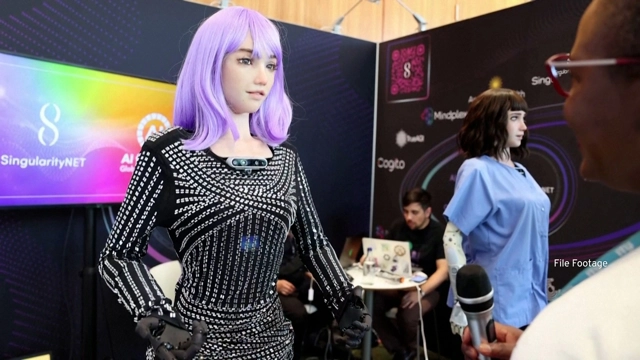 02:48
02:48 05:35
05:35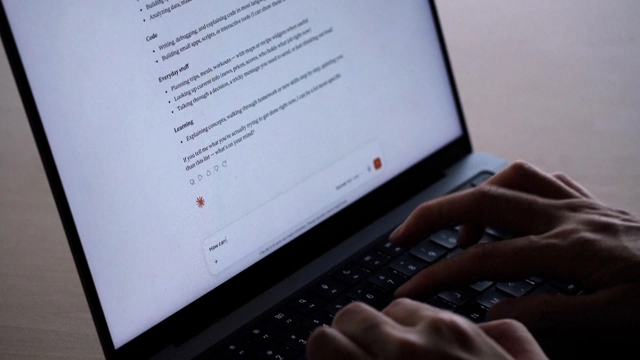 02:54
02:54 00:41
00:41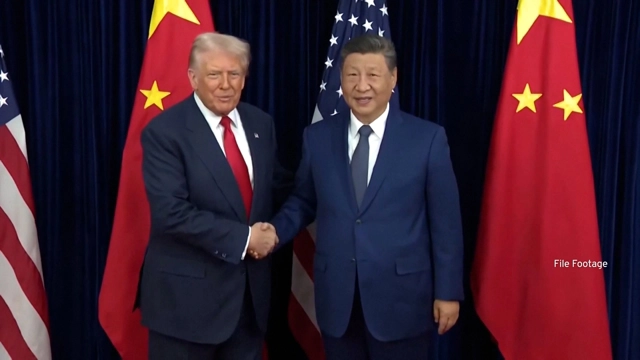 00:34
00:34 00:35
00:35 02:26
02:26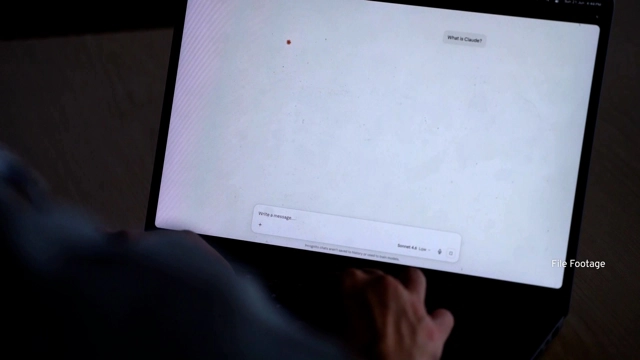 00:35
00:35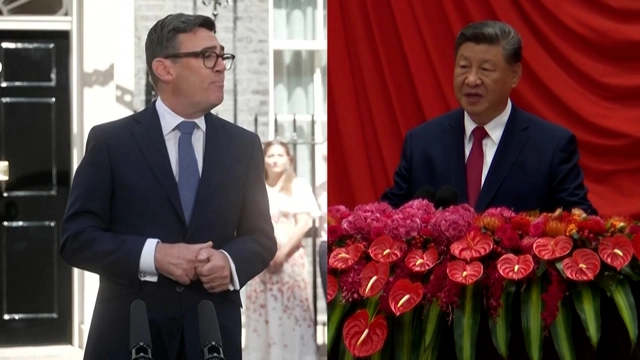 03:25
03:25 00:26
00:26 03:49
03:49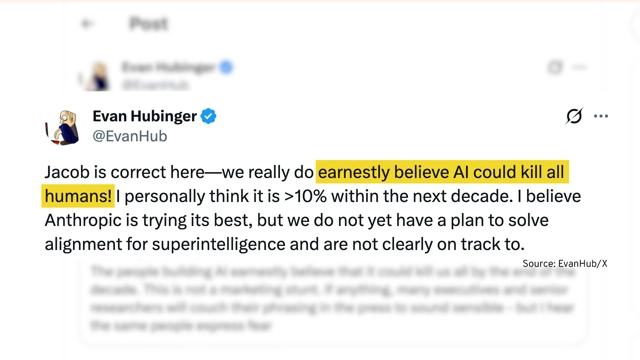 00:32
00:32 00:30
00:30 00:46
00:46