In the hyperpolarized United States of 2026, the idea that AI poses a potential existential threat to humanity is creating unexpected coalitions. Here in Washington, speaking from the same podium—calling for the same caution—are self-described democratic socialist Senator Bernie Sanders...
...and Trump ally and former strategist Steve Bannon. The two are united by a mistrust of tech elites and worries that superintelligent AI could wipe out humanity if its breakneck development is not reined in.
But as the political world reacts, it is for now, those same tech leaders who are having their say. Here at the Dreamforce 2026 conference in San Francisco, it’s clear they aren’t all in agreement.
DARIO AMODEI, CEO, ANTHROPIC:
"Let’s invest more in safety. Then let’s organize the rest of the industry and say ‘what can we do to set standards for everyone? What can we do to make everyone’s standards better?’ And then finally there should be an international component to it. And that’s essentially the three-step plan that I laid out, that I laid out in the essay."
Nvidia’s CEO Jensen Huang has a different view. He still puts safety first... but believes companies should create their own guardrails, with no outside intervention.
JENSEN HUANG, CEO, NVIDIA:
"If you build a product or a service and you're not confident in its functionality, capability, or safety, then don't release it. And so that's a very obvious thing to do. You pace yourself until you are confident you're releasing something that the market would appreciate. The market forces are already there. We don't need any new laws. We don't need new regulations."
In Taiwan, the company powering the AI revolution, chipmaker TSMC, has largely kept out of the debate. And when it comes to their own area of manufacturing, they say they’re extremely cautious about AI’s potential integration.
Y.J. MII, CO-COO, TSMC:
"When it comes using AI, especially within the company where you have sensitive information we take a rather cautious approach. Because if you don’t use it properly you could have leaks or see large amounts of information destroyed."
All through the background of the debate is a vital tech race with geopolitical implications. US President Donald Trump is among those who say a voluntary US slowdown would give rival China a chance to get ahead – this week he dismissed fears over AI as a “hoax.” Trump is expected to discuss AI when he meets with Chinese President Xi Jinping next week. Xi for his part has said AI must always remain under human control. The question now is what, if anything comes out of those talks, as those concerned about the future of AI... and humanity... look on.
Yuan Tuan and John Van Trieste for TaiwanPlus.
 02:48
02:48 02:54
02:54 00:35
00:35 03:23
03:23 02:36
02:36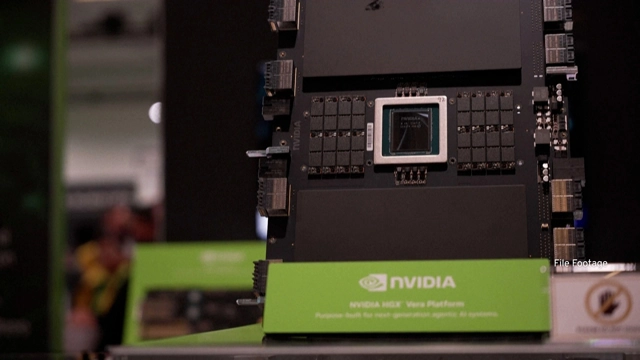 00:33
00:33 00:25
00:25 00:41
00:41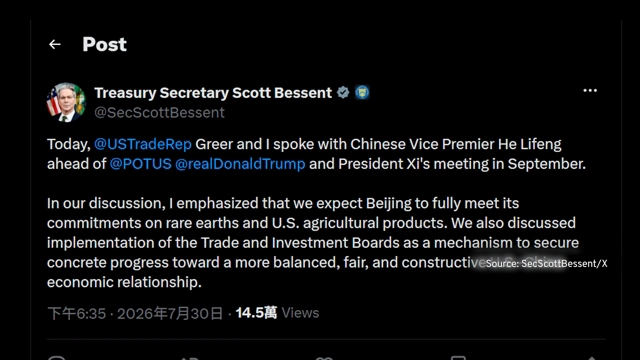 00:49
00:49 00:31
00:31 00:43
00:43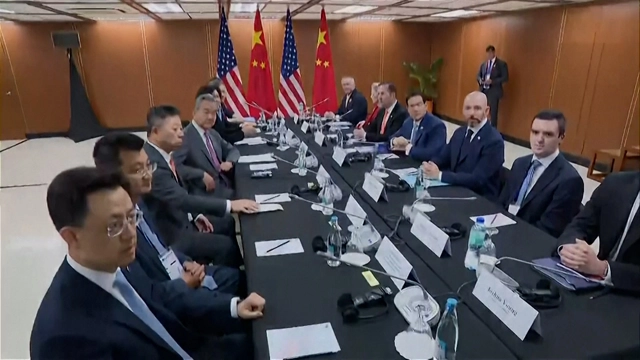 03:03
03:03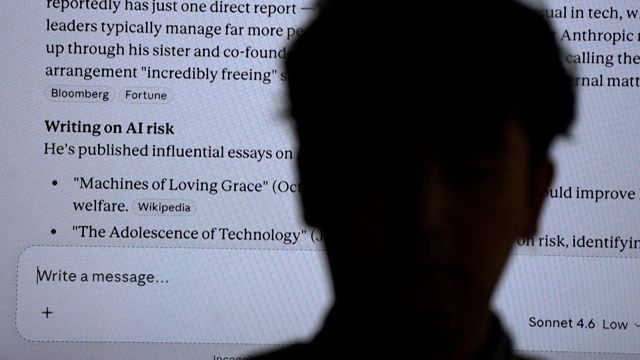 03:39
03:39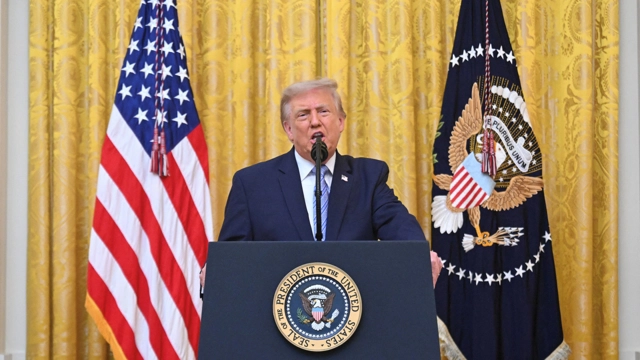 01:01
01:01 00:34
00:34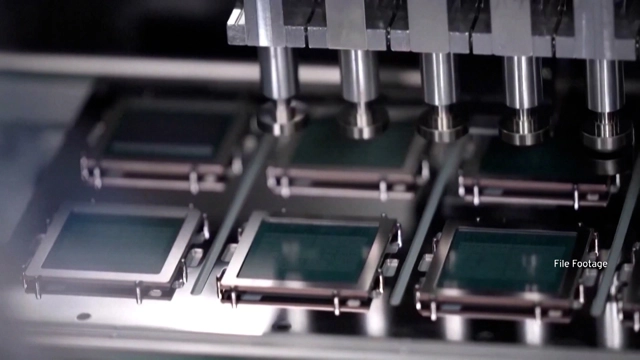 00:43
00:43