Bürgenstock Peace Talks: Will the World See Recovery or Crisis?
REPORTER:
The luxury Bürgenstock Resort in Switzerland has long enjoyed a high profile—but today, it has the attention of the whole world. Talks underway here could lift the Middle East out of war and put the world economy on the path to recovery. Or, they could see a fragile ceasefire fail and plunge the world into a prolonged oil crisis.
REPORTER:
Day one of talks started with hopes that decades of antagonism between combatants US and Iran could finally come to an end.
JD Vance (US VICE PRESIDENT):
What the President has asked us to do is turn over a new leaf, to transform our relationship with the people of Iran, and to extend an outstretched hand that says to the people of Iran that if your leadership is willing to give up being a driver of regional instability, if they are willing to give up nuclear weapons ambitions for the long term, then the United States is willing to fundamentally transform our relationship with that country.
REPORTER:
But Iran and the US are not the only ones fighting in this war. Iran-aligned militia Hezbollah has been exchanging attacks with Israel from its base in Lebanon, and the death toll on both sides is mounting. Iran has demanded that fighting must end on this second front or talks with the US will not go ahead.
Hossein Ghorbanzadeh (IRANIAN DELEGATE):
Naturally, if with regard to Lebanon - which is one of the principal fronts where the end of the war must be declared - this does not happen, then the subsequent issues will certainly not be negotiated.
REPORTER:
But for Lebanon and Israel, peace looks elusive. Sunday was a quiet day in terms of fighting—but there was an outpouring of mourning on both sides as they buried their recent dead.
REPORTER:
On a beach in the Lebanese capital Beirut, mourners remembered sea turtle conservationist Mona Khalil—two days after she was killed at home in an Israeli strike.
REPORTER:
While in the Israeli city of Herzliya, flag-waving Israelis remembered Staff Sergeant Yoav Klein, one of four soldiers killed in an attack on an IDF tank in southern Lebanon.
REPORTER:
One major sticking point is that Hezbollah demands Israel withdraw from Lebanon.
Naim Kassem (HEZBOLLAH SECRETARY GENERAL):
Let the Israelis and everyone else understand this: remaining on Lebanese territory is impossible. There will be no Israeli security zones on Lebanese soil.
REPORTER:
While Israel says it’s not going anywhere—for the sake of its own security.
Benjamin Netanyahu (ISRAELI PRIME MINISTER):
We have achieved extraordinary successes, and we will not relinquish them. We will remain in the security zone in southern Lebanon for as long as necessary to protect the cherished residents of the north and all the citizens of Israel.
REPORTER:
Iran is displeased. It says it has closed the oil and gas chokepoint to its south, the Strait of Hormuz, until a ceasefire in Lebanon is respected. Despite the announcement, the US says ships have kept passing through, but marine analysts say their numbers have dropped.
REPORTER:
Yet, back in Switzerland, the US and Iran are still talking—despite deep mistrust, despite continued fighting in Lebanon, despite the unclear situation in the Strait of Hormuz, and even despite a new threat by US President Donald Trump to strike Iran again. And so the world’s eyes are still on this Swiss resort, waiting to see if peace has a chance.
 02:15
02:15 03:07
03:07 03:23
03:23 03:25
03:25 03:23
03:23 02:42
02:42 02:54
02:54 02:56
02:56 03:24
03:24 02:33
02:33 00:27
00:27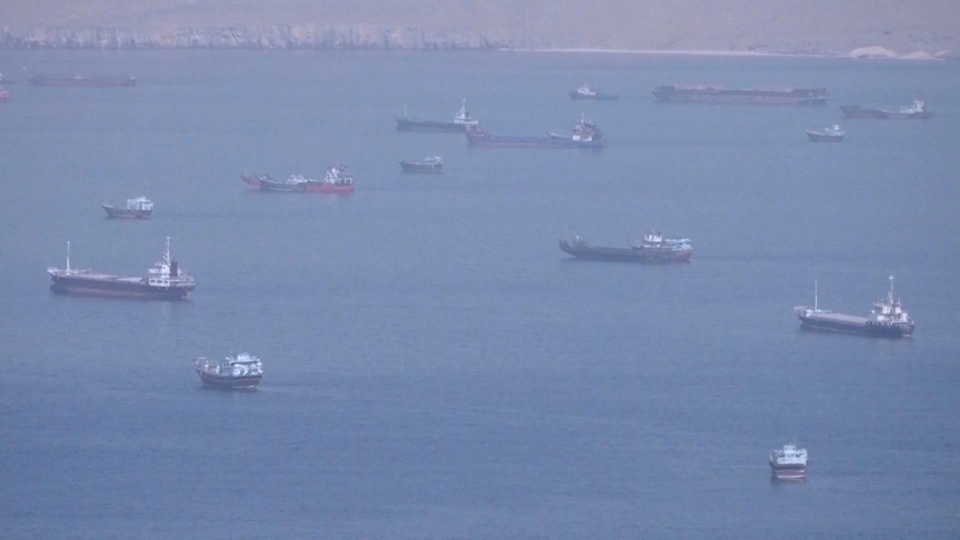 00:30
00:30 02:36
02:36 00:33
00:33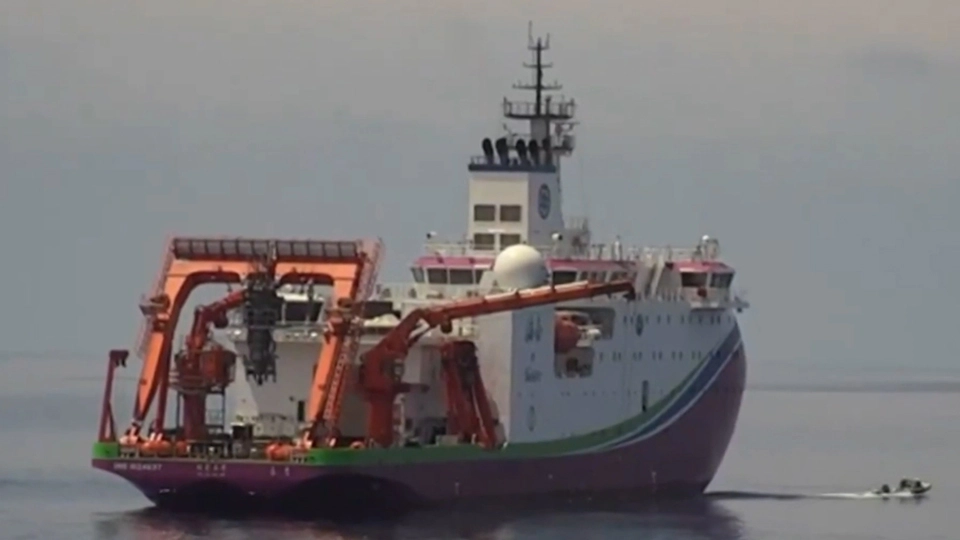 02:50
02:50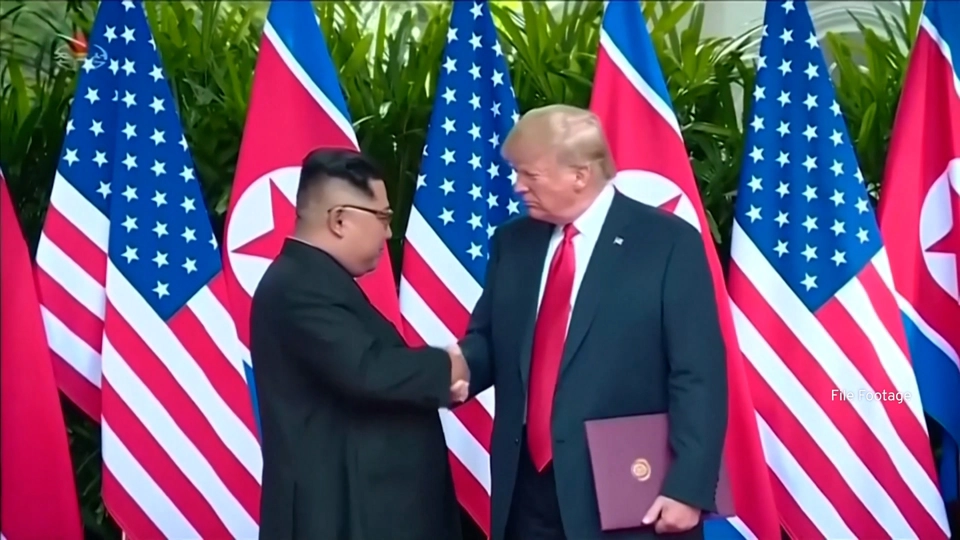 03:09
03:09