A Moment of Peace: The US and Iran Sign a Historic Agreement
REPORTER:
In the lavish halls of Versailles, US President Donald Trump puts his distinctive signature on a document the world’s been waiting for. In fourteen points, this memorandum of understanding is meant to end a war that’s spread through the Middle East over months—shaking the global economy in the process.
REPORTER:
Later, Trump confirms to expectant reporters outside that the deal is done.
Donald Trump (US PRESIDENT):
It’s signed. It’s signed.
REPORTER:
As Trump heads back to the US from the G7 summit in France, the US and Iran enter a 60-day period of further talks. For now, they’ve agreed fighting is over—including on the Israel-Lebanon front. Both sides will end their blockades shutting off the critical Strait of Hormuz and Iranian ports. The US will lift some sanctions and unfreeze billions of dollars in Iranian assets, while Iran reaffirms it won’t seek a nuclear weapon. Iran has signed the deal, too.
REPORTER:
Trump’s host, French President Emmanuel Macron, is pleased. Trump and European allies had earlier fallen out over the war—but that looks to be in the past now. And with the Strait of Hormuz open again, key supplies like oil and fertilizer will flow once again.
Emmanuel Macron (FRENCH PRESIDENT):
So we will continue to work, but in any case this is a moment of peace and good news for many of our compatriots, because normally fuel prices will also fall, as will the price of gas.
REPORTER:
Significantly, both sides are declaring victory. The agreement also provides at least $300 billion US dollars for Iran’s postwar reconstruction and development. Iran’s parliament speaker, the country’s chief negotiator, expects Tehran to exercise control over the Strait of Hormuz in the long term. And he called the agreement a “record of US failure” to achieve its goals by the use of force.
Mohammad Bagher Qalibaf (IRANIAN PARLIAMENT SPEAKER):
The difference between the negotiations now and the previous periods is that today, there is the flag of victory in the field, which both enemies and friends have admitted. Our people saw the glory of the armed forces too, even though they were against the well-quipped enemy.
REPORTER:
But analysts like Middle East-watcher Sina Azodi see it as a win for both sides—for the US, a commitment from Iran that it won’t try to acquire a nuclear weapon. And for Iran, sanctions relief—easing inflation and unemployment. However, he says the Middle East isn’t yet in the clear—the deal explicitly says fighting in Lebanon must stop too—and for that to happen, US ally Israel will need to get on board.
Sina Azodi (GEORGE WASHINGTON UNIVERSITY):
Well, Israelis are clearly not happy with what has happened. We have to wait and see whether they will restrain themselves as a fear of President Trump, or how much President Trump will try to restrain Israeli allies in their conduct in Lebanon.
REPORTER:
The clock is also now ticking for Iran and the US to work out details and differences that won’t fit onto a brief document like the one Trump and his Iranian counterpart have signed. The extendable 60-day period for further talks that starts now tests whether a deal can be finalized—with Trump already threatening new bombings if it can’t.
 02:15
02:15 03:07
03:07 03:23
03:23 03:25
03:25 03:23
03:23 02:42
02:42 02:54
02:54 02:56
02:56 03:24
03:24 02:33
02:33 00:27
00:27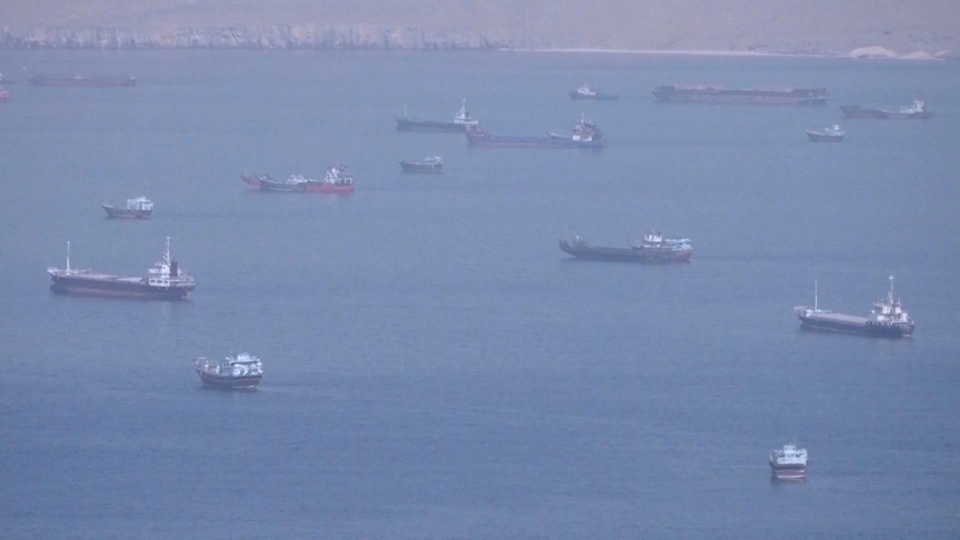 00:30
00:30 02:36
02:36 00:33
00:33 02:50
02:50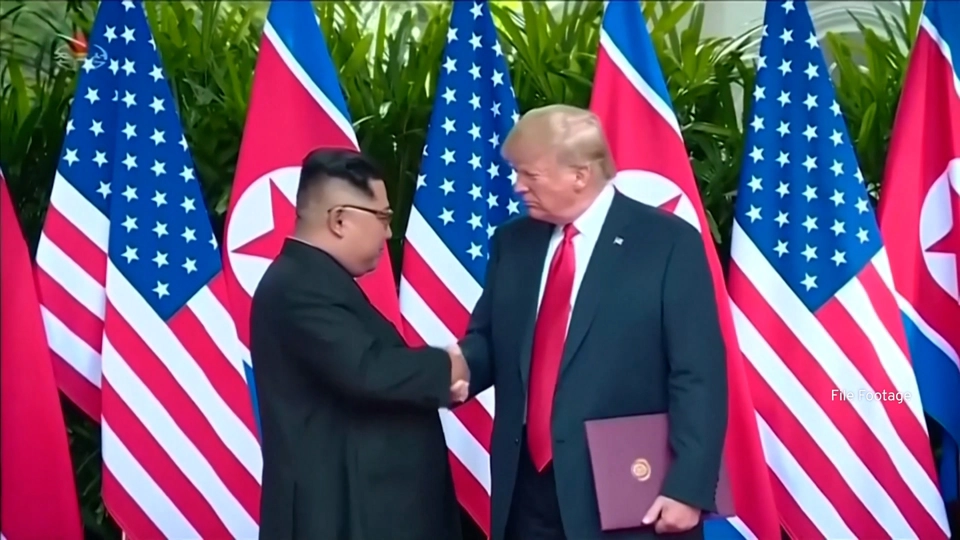 03:09
03:09