Middle East Ceasefire Gives Hope for Oil and Peace
A Malta-flagged tanker anchors off Iraq, ready to take on around 2 million barrels of crude. As recently as February, this would have been a routine stop—but war in the Middle East has choked off access to the Gulf region's rich oil reserves. This ship—bound for Vietnam in oil-starved Asia—is one of a few that have made it through. And it may have an easier time getting back out than expected.
After weeks of severely limiting traffic, Iran says it’s reopened the Strait of Hormuz—the gateway to the gulf—amid a pause in fighting.
US President Donald Trump says the American blockade of Iranian ports will stay in place for now—but that he expects an end to weeks of hostilities soon, having earlier said talks with Iran could resume this weekend. The two sides have starkly different demands, including about the Strait of Hormuz, and Iran’s foreign ministry said the US blockade violates the ceasefire. But Trump says he doesn’t think this should cause too much trouble.
Donald Trump (US PRESIDENT):
We're having a big day. We'll see how it all turns out, but it should be good. We've had some very good discussions, and hopefully that subject that you like to talk about will be very good, and we've done a good job, but we'll see. Talks are going on, and it will go on over the weekend, and a lot of good things are happening.
Analysts say it will take time for oil supplies to recover: the strait is still largely deserted. But they foresee prices coming down, having fluctuated around 100 US dollars a barrel or above for the past month and a half.
Rob Thummel (SENIOR PORTFOLIO MANAGER, TORTOISE CAPITAL):
So I think what we'll see is more of an oil price that's probably in the seventies. Maybe, depending on what's happening geopolitically, it could pop up into the eighties. But I'm hoping the days of $100 oil are behind us at this point in time.
The ceasefire between Iran and the US-Israeli alliance and the reopening of the Hormuz Strait aren’t the only signs of a chance for peace to prevail. US ally Israel has also agreed to stop bombing its neighbor Lebanon for ten days, pausing a second front in the conflict.
Over a million Lebanese people are displaced—but a few have begun returning home, despite the destruction awaiting them. It’s a moment of hope. But it could pass quickly—as Israel’s enemy in Lebanon, the Iranian proxy group Hezbollah, remains a sticking point. Analysts say any shift in the region could break the truce.
Yossi Mekelberg (SENIOR CONSULTING FELLOW, MIDDLE EAST & NORTH AFRICA, CHATHAM HOUSE):
The ceasefire between Israel and Lebanon and Hezbollah is extremely fragile. If the ceasefire with Iran collapses, for instance, Israel would almost feel free to resume the attacks - and probably Hezbollah too - between them.
And so, despite moments of relief and celebration in places like Lebanon, the question is whether peace can hold. Attention now turns to the resumption of US-Iran talks, whether a substantive deal can be agreed over Tehran’s nuclear program and which side is prepared to make the greater concessions.
 02:15
02:15 03:07
03:07 03:23
03:23 03:25
03:25 03:23
03:23 02:42
02:42 02:54
02:54 02:56
02:56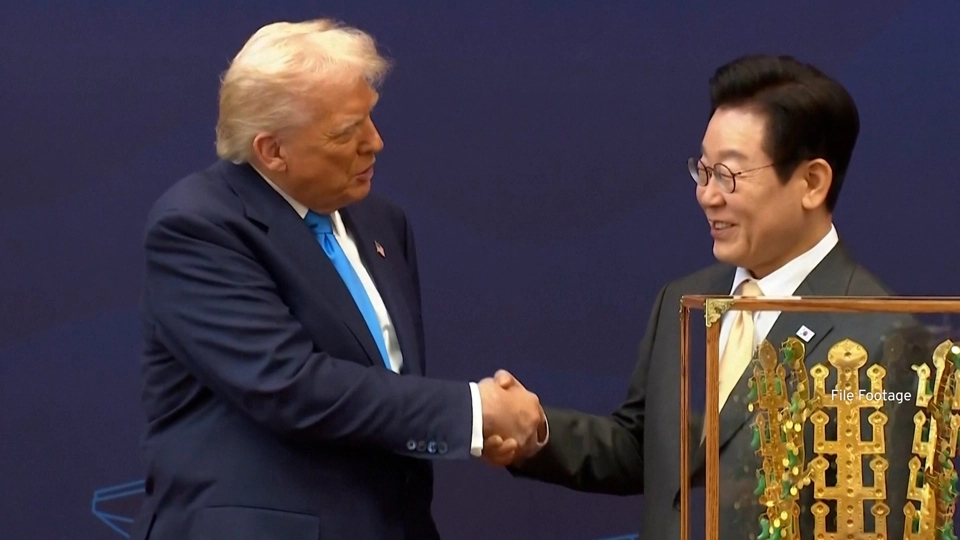 03:24
03:24 02:33
02:33 00:27
00:27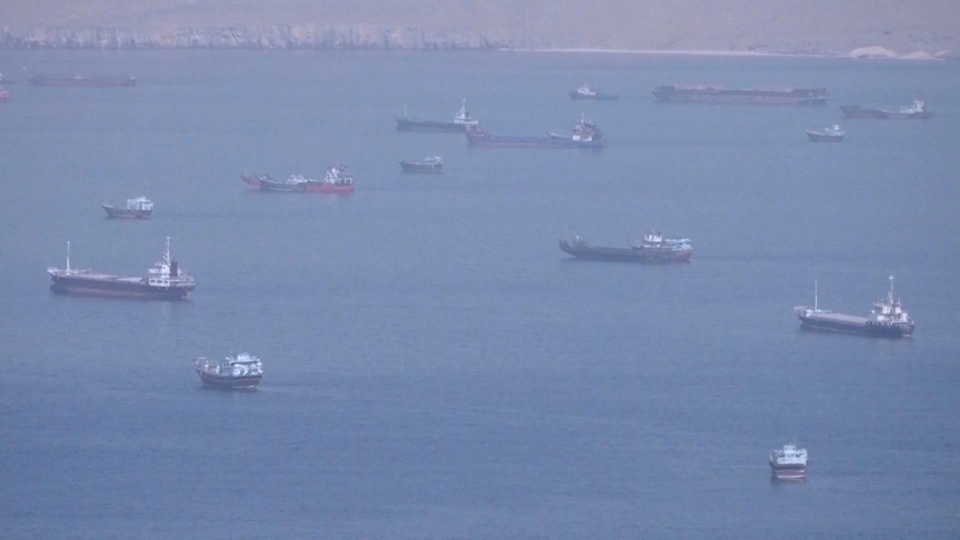 00:30
00:30 02:36
02:36 00:33
00:33 02:50
02:50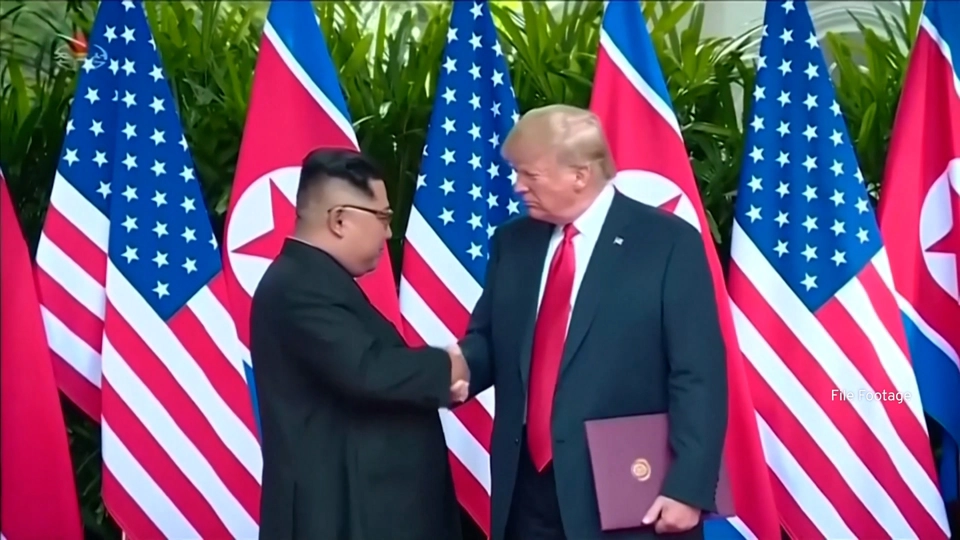 03:09
03:09