US and Iran Hold Talks in Pakistan Amid Strait of Hormuz Crisis
REPORTER:
The India-flagged tanker Green Asha docks at Mumbai Thursday carrying much-needed liquefied petroleum gas from the Middle East. It’s one of just a small number of ships to have cleared the critical Strait of Hormuz since an Iranian blockade that started with the latest war in the Middle East.
REPORTER:
Before the war, an average of 140 ships would pass through each day, with cargo including around a fifth of the world’s oil supply. Now, marine traffic monitors show the Strait is deserted. Even with a US-Iran ceasefire that should have seen the passage open again, ships are still avoiding the waterway. With the ceasefire only two weeks long and conditional, the risk is still high.
REPORTER:
And, the Financial Times reports, Iran plans to charge tolls payable in cryptocurrency. US President Donald Trump warned Iran against charging fees, but Iran’s state TV suggests it plans to keep its control over the strait.
BITE
Voice of: Iranian News Anchor:
We will definitely seek compensation for all the damage inflicted, and blood money for the martyrs and for the wounded of this war, and we will certainly bring the management of the Strait of Hormuz to a new level.
REPORTER:
Trump says this is not the agreement the US and Iran have. But it’s not the only part of the deal not fully in place.
REPORTER:
The truce was also supposed to cover the entire region—where fighting has spread. But US ally Israel has kept up deadly strikes on neighboring Lebanon, killing more than 300 people in Beirut on Wednesday. Israel says those attacks are to hit Iranian proxy Hezbollah, which is also striking back at Israel.
REPORTER:
There is a chance of peace on this front of the war: Israeli Prime Minister Benjamin Netanyahu says his cabinet’s started negotiations with Lebanon—with the following goals:
BITE
Benjamin Netanyahu (ISRAELI PRIME MINISTER):
First – the disarmament of Hezbollah. And second – a historic, sustainable peace agreement between Israel and Lebanon.
REPORTER:
For now, attention is on mediator Pakistan—where the US and Iran are set to hold talks. The stakes are high—and with Iran expected to push for a peace plan that gives it control of the Strait of Hormuz, US withdrawal from the Middle East and compensation, the talks promise to be tough.
 02:15
02:15 03:07
03:07 03:23
03:23 03:25
03:25 03:23
03:23 02:42
02:42 02:54
02:54 02:56
02:56 03:24
03:24 02:33
02:33 00:27
00:27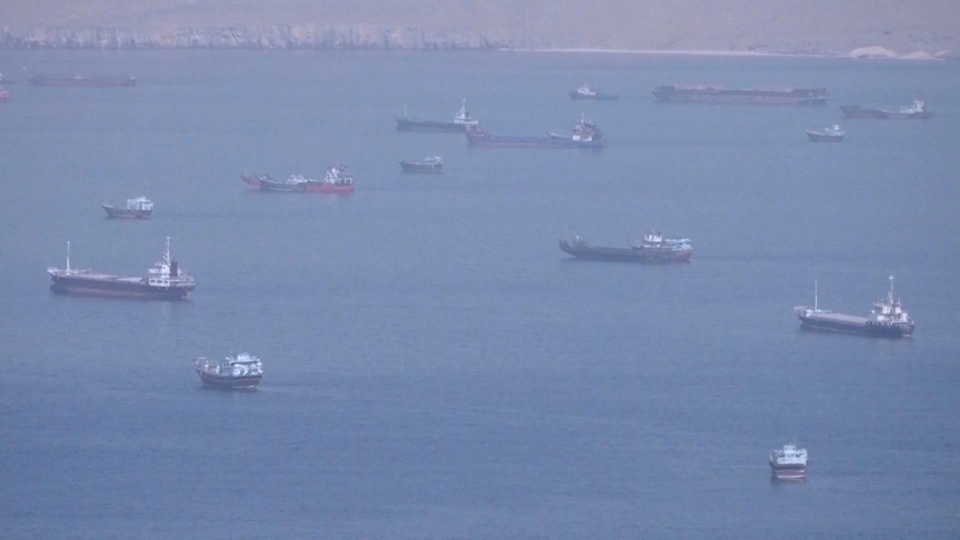 00:30
00:30 02:36
02:36 00:33
00:33 02:50
02:50 03:09
03:09