US-Iran Ceasefire Under Pressure After Failed Peace Talks
US Vice President JD Vance returns to the US Sunday after failed peace talks with Iran that could put pressure on a delicate US-Iran ceasefire.
A US official says Iran rejected key US demands—including fully reopening the Strait of Hormuz—critical to the world’s oil and gas supplies.
President Trump says the US will start its own blockade of the strait—stopping traffic, clearing any mines and intercepting any ships that have paid tolls to Iran.
And barely a week into the ceasefire, he’s renewed threats to attack civil infrastructure on the Fox News Channel’s Sunday Morning Futures, threats some legal experts say would be war crimes if carried out.
Donald Trump (US PRESIDENT):
But in one half of a day, they wouldn't have one bridge standing. They wouldn't have one electric-generating plant standing, and they're back in the Stone Ages.
Esmaeil Baghaei, a spokesperson for Iran’s foreign ministry, says that despite distrust of the US there had been a degree of agreement—except on a few key stumbling blocks. He says Iran is still ready for diplomacy.
But the Iranian parliament’s security commission voiced doubt about the US commitment to diplomacy—and had this to say about Trump’s latest remarks.
Ebrahim Azizi (IRAN PARLIAMENT NAT’L SEC. COMMISSION):
It is natural for a defeated president to speak this way. If he did not use such language and rhetoric, I think the extent of the failure would become unacceptable even to the American public.
Some see the failure of the first talks as a part of a diplomatic dance—with neither side wanting to give the appearance of giving in too soon to the public back home.
Trita Parsi (EXECUTIVE VICE-PRESIDENT, QUINCY INST. FOR RESPONSIBLE STATECRAFT):
Because at the end of the day, neither side has said that there won't be any more talks within this 14-day period, of which there are still 8 or so days left. And neither side have restarted the war.
But even among those who agree the door to more talks is open and the ceasefire is holding, some are concerned that it wouldn’t take much to set off a new flareup in this war.
Zahid Hussain (SECURITY ANALYST):
I don't think that fighting will start soon, but certainly it will not de-escalate the situation. The tension will continue there. And I think the indication is that the United States will continue to put pressure on Iran. And so, one incident could lead to yet another round of active war.
Mediator Pakistan, host of the failed talks, says both sides must uphold a commitment to a ceasefire—and that it will try to restart dialogue in the coming days. But with disagreement on everything from nuclear enrichment to the Strait of Hormuz, there is a great deal to work through—with limited time.
 02:15
02:15 03:07
03:07 03:23
03:23 03:25
03:25 03:23
03:23 02:42
02:42 02:54
02:54 02:56
02:56 03:24
03:24 02:33
02:33 00:27
00:27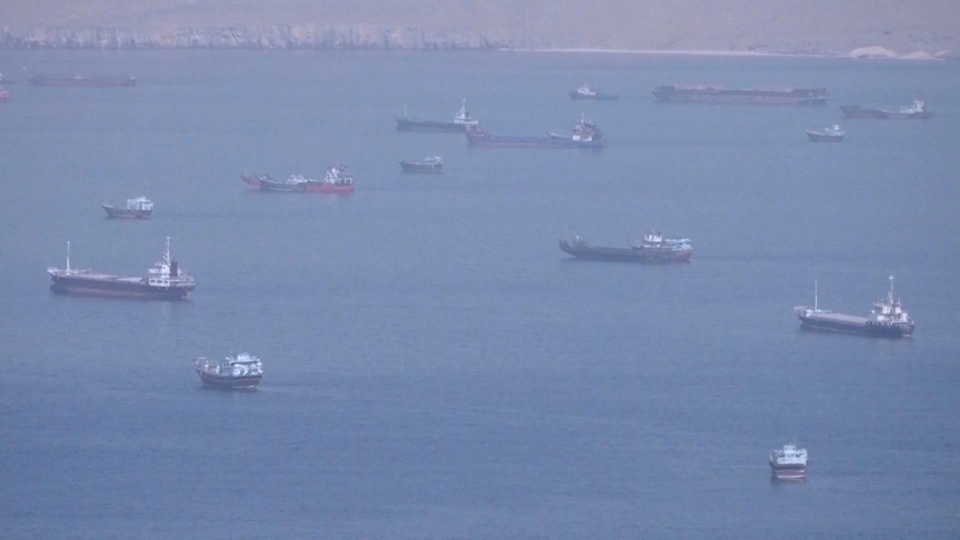 00:30
00:30 02:36
02:36 00:33
00:33 02:50
02:50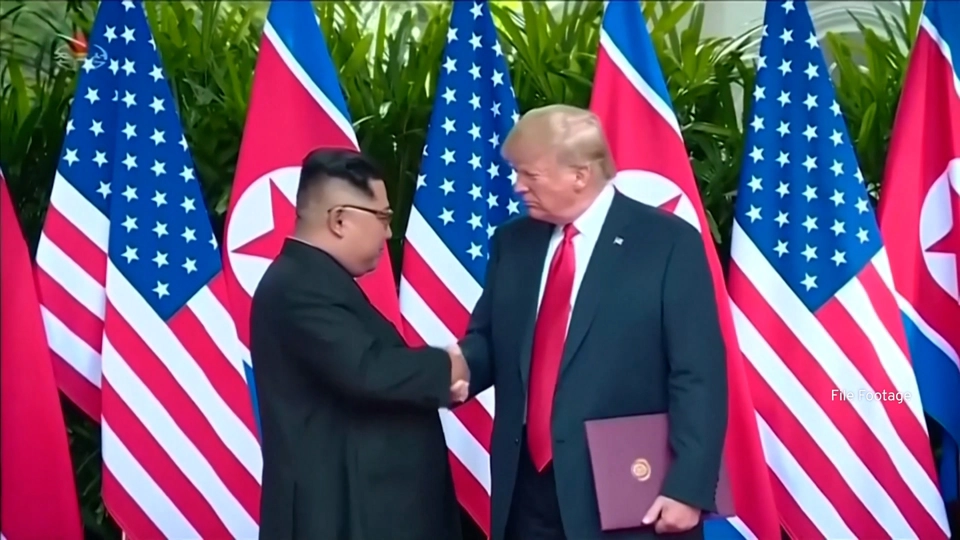 03:09
03:09