US-Iran Ceasefire: Strained Progress and Regional Tensions
REPORTER:
US Vice President J.D. Vance speaks to conservative group Turning Point USA. He’s just back from a trip to Pakistan, the mediator in a war between a US-Israeli alliance and Iran. Despite a ceasefire, talks there with Iran’s envoys didn’t get far.
REPORTER:
And one key point of conflict—the Strait of Hormuz—key to world oil supplies, is actually getting thornier, with the US blockading Iran.
REPORTER:
Still Vance says progress may just take some patience—as Iran and the US haven’t had ties in decades. US President Trump has even hinted talks could start again in a few days.
J.D. Vance (US VICE PRESIDENT):
Look, honestly, after 49 years, there's a lot of, of course, mistrust between Iran and the United States of America. You're not going to solve that problem overnight. But, yeah, I think the people we were sitting across from wanted to make a deal.
REPORTER:
Patience may be hard for many in the US—including for Trump supporters like farmers here in North Carolina. Supplies of diesel—and fertilizer—are blocked off behind the strait. This year might be salvageable for some—but the 2027 harvest is up in the air if fighting goes on.
Andy Corriher (FARMER):
You can't predict everything that's going to happen, but I feel like these things were kind of overlooked as part of collateral damage that was going to occur to us, and not just, you know, people that do what we do, just the American people as a whole. I mean, everybody seems to be suffering.
REPORTER:
In parts of the Middle East, though, economic pain is just the beginning of the suffering. The US-Iran truce was supposed to cover the whole region. But US ally Israel has kept up strikes on neighboring Lebanon—home to Iranian proxy Hezbollah.
REPORTER:
But back in Washington, the Israeli and Lebanese ambassadors to the US meet—a rare event for these envoys.
REPORTER:
Israel’s ambassador to the US had a rosy picture of future neighborly ties—but only if Iran’s proxies are gone.
Yechiel Leiter (ISRAELI AMBASSADOR TO THE US):
We talked about a number of things and most importantly, the vision, the long term vision, where there will be a clearly delineated border between our countries and where the only reason we'll need to cross each other's territory will be in business suits to conduct business or in bathing suits to go on vacation.
REPORTER:
Today, though, the Strait of Hormuz is still largely shut. Lebanon is under fire and Israel is subject to counter-attack. The sharply opposed Iranian and US positions on everything from Iran’s uranium enrichment to control of the Strait of Hormuz haven’t budged. The question now is whether this ceasefire window can bring lasting peace.
 02:15
02:15 03:07
03:07 03:23
03:23 03:25
03:25 03:23
03:23 02:42
02:42 02:54
02:54 02:56
02:56 03:24
03:24 02:33
02:33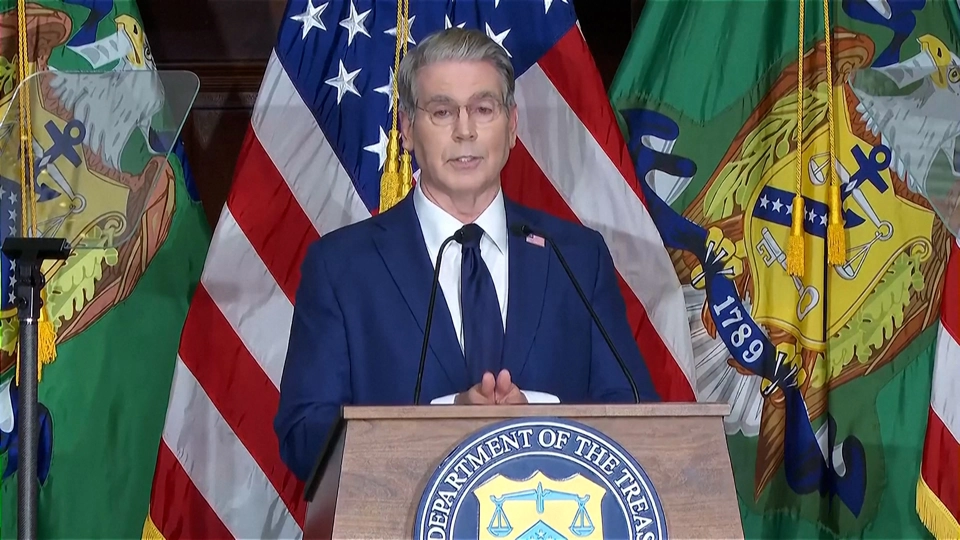 00:27
00:27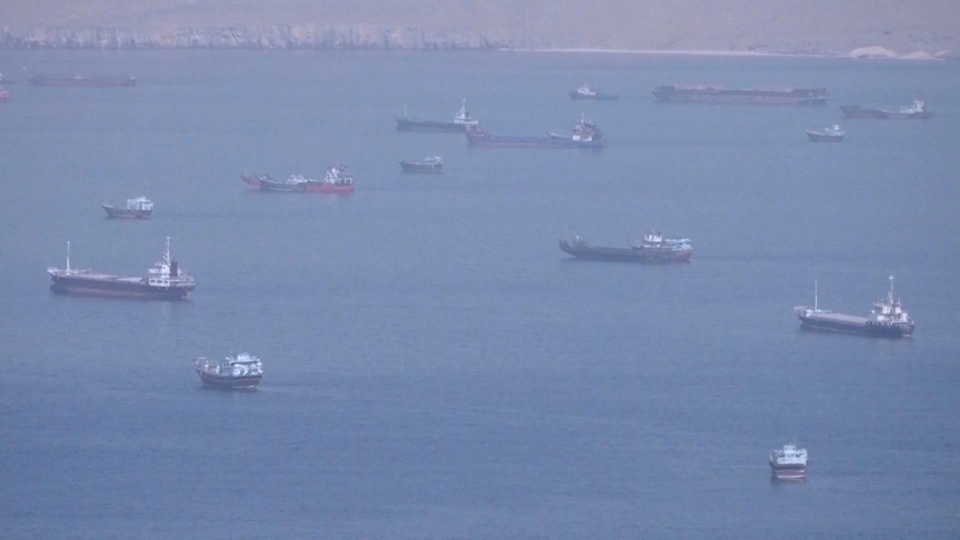 00:30
00:30 02:36
02:36 00:33
00:33 02:50
02:50 03:09
03:09