US-Taiwan Relations: Possible Trump-Lai Call Amid Arms Sale Debate
REPORTER:
A possible conversation between Taiwan and US leaders.
On Wednesday, US President Donald Trump told reporters he plans to speak with Taiwan President Lai Ching-te — the second time Trump has suggested such talks since meeting Chinese President Xi Jinping in mid-May.
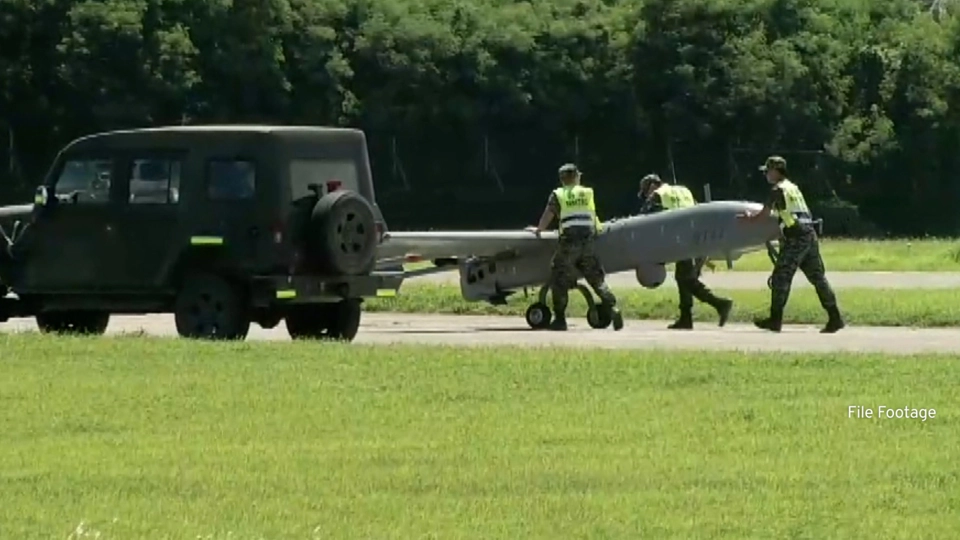
This comes as Washington considers whether to move ahead with a 14 billion US dollar arms sale to Taiwan, a potential deal that has drawn criticism from Beijing.
Donald Trump (US PRESIDENT):
I'll speak to him. I speak to everybody. We have that situation very well in hand. We had a great meeting with President Xi. It’s amazing. Many of you were there. We'll work on that, the Taiwan problem.
Trump did not say when the conversation could take place. But Taiwanese officials welcomed the possibility, with President Lai on Wednesday even hinting at what he would say to Trump.
Lai Ching-te (TAIWAN PRESIDENT):
If given the opportunity
it is my duty to voice the heartfelt aspirations
of Taiwanese society.
Peace and stability in the Taiwan Strait are essential
for global security and prosperity.
My administration maintains the status quo
without yielding or provoking.
Trump’s stance on US-Taiwan ties and arms sales has come under scrutiny after he described weapons sales as a good bargaining chip with China.
Some have also pointed to Trump’s use of the phrase “the Taiwan problem” — language often used by Beijing — as further evidence that Xi Jinping’s framing may be influencing Trump’s Taiwan stance.
At the same time, bipartisan US lawmakers have voiced support for Taiwan and recognized its economic importance.
Jeanne Shaheen (US SENATOR (D.)):
Taiwan's security is not a bargaining chip. It’s central to deterrence in the Indo-Pacific. And allies like South Korea are watching closely to see whether American commitments remain firm.
Michael McCaul (US REPRESENTATIVE (R.)):
When you explain to them that Taiwan owns or controls 90% of the advanced semiconductor chips globally, and if China does invade, they either own or break that. It would send, you know, the global economy into a tailspin.
As Taiwan and the US prepare for a potential high-level conversation, China is also closely watching. Reporting suggests that a China visit by Elbridge Colby, a top-level Pentagon official, is being held up by Beijing — until Trump decides what he’ll do with the arms package.
 04:02
04:02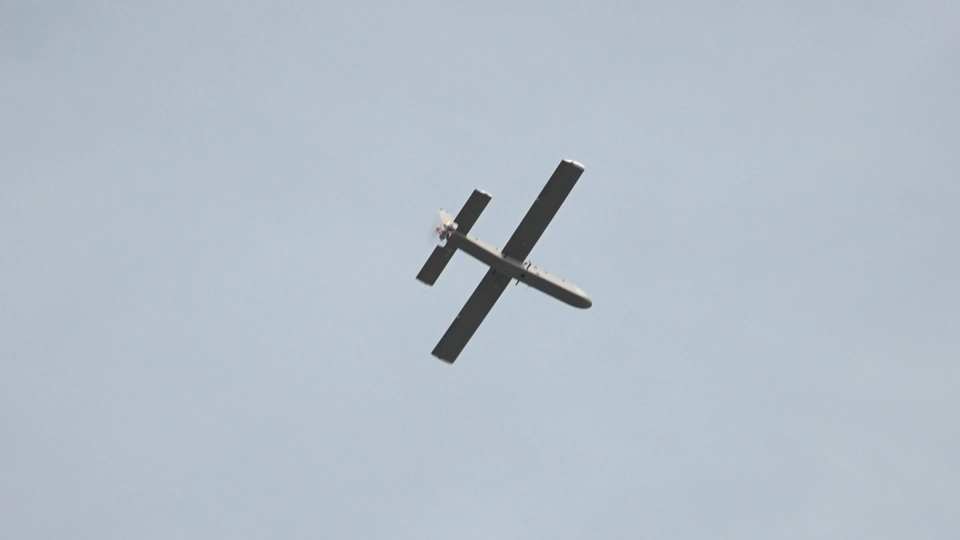 02:33
02:33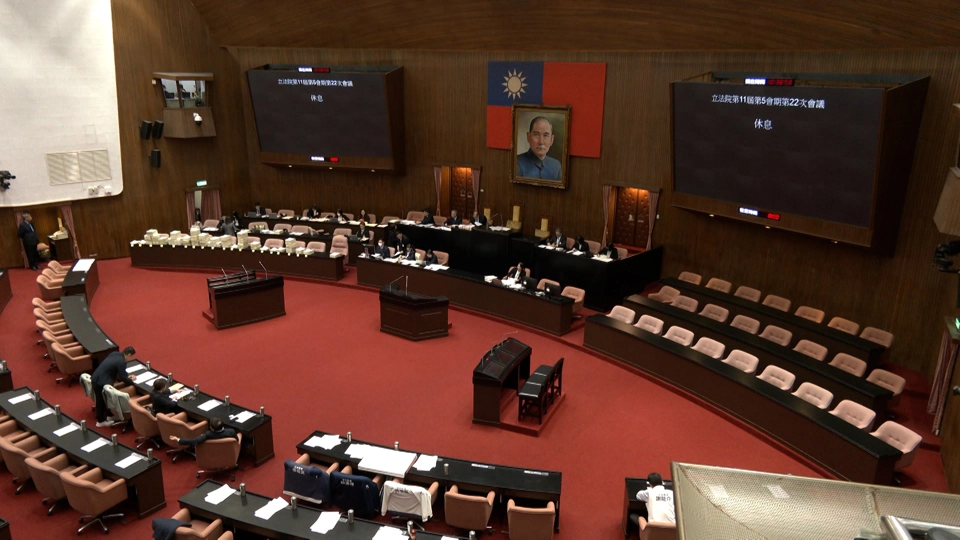 00:44
00:44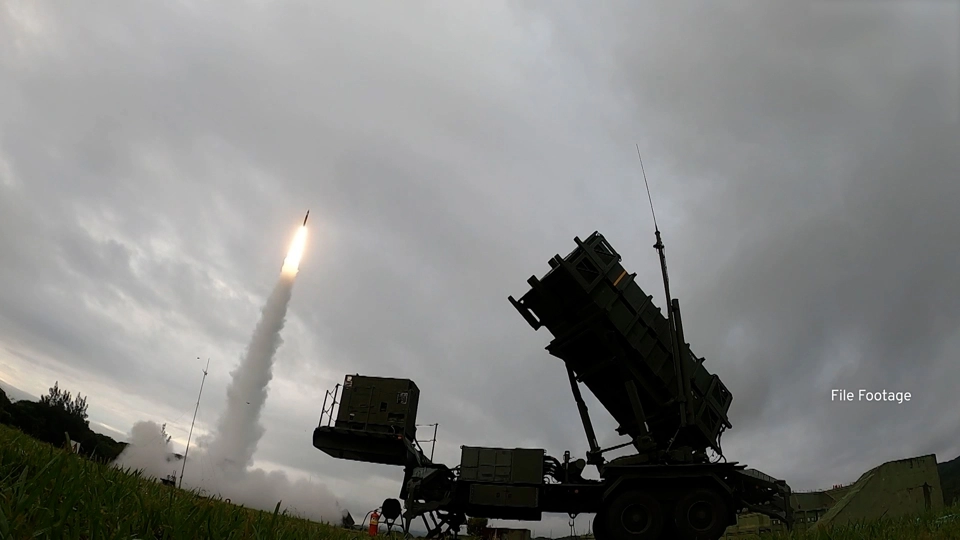 02:56
02:56 04:54
04:54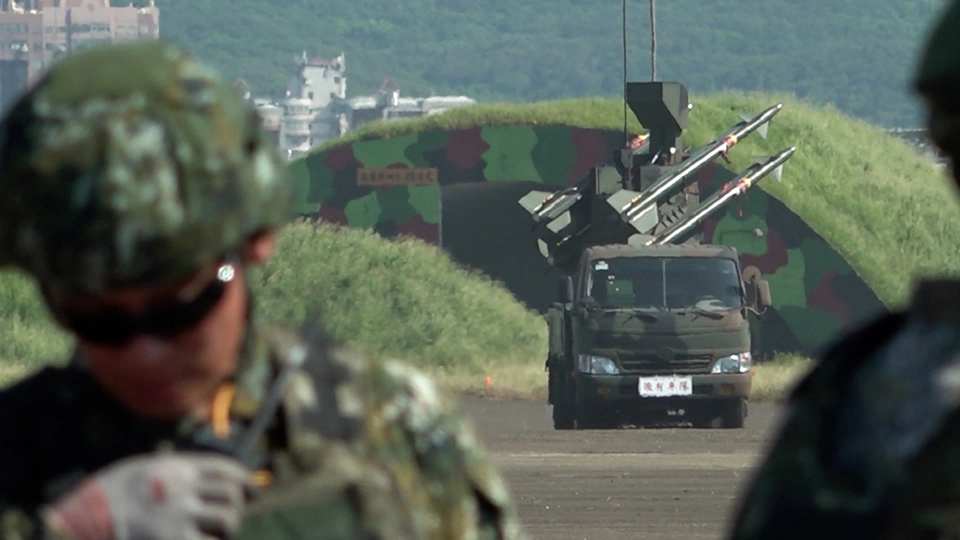 03:19
03:19 00:34
00:34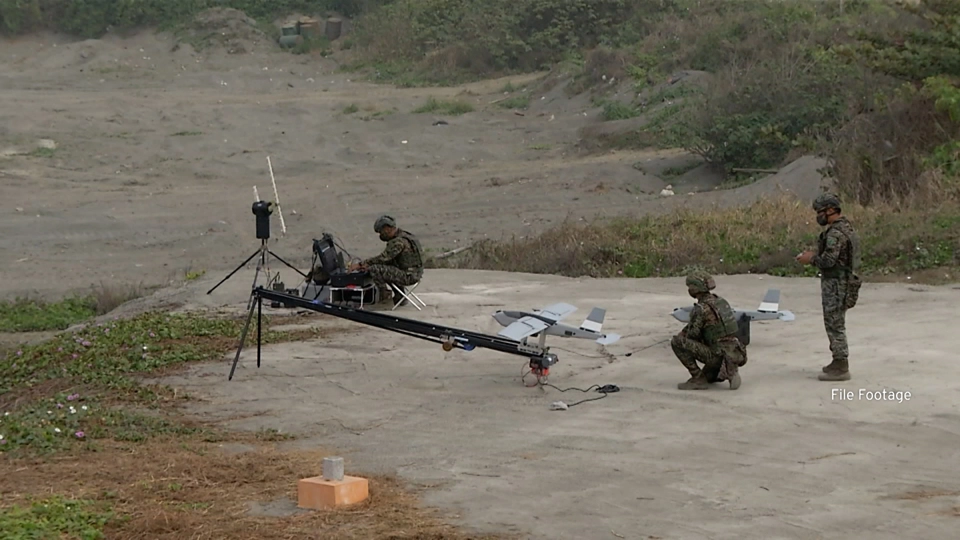 01:56
01:56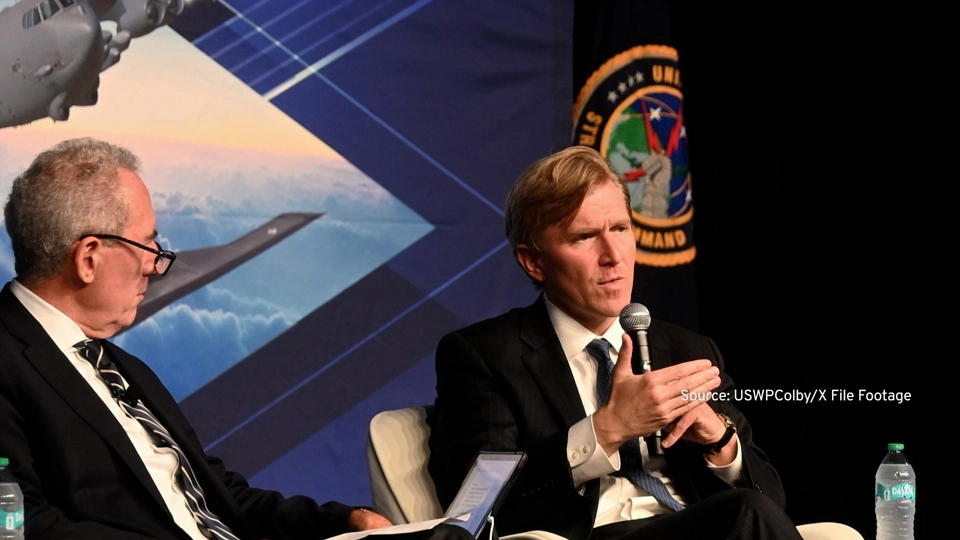 00:34
00:34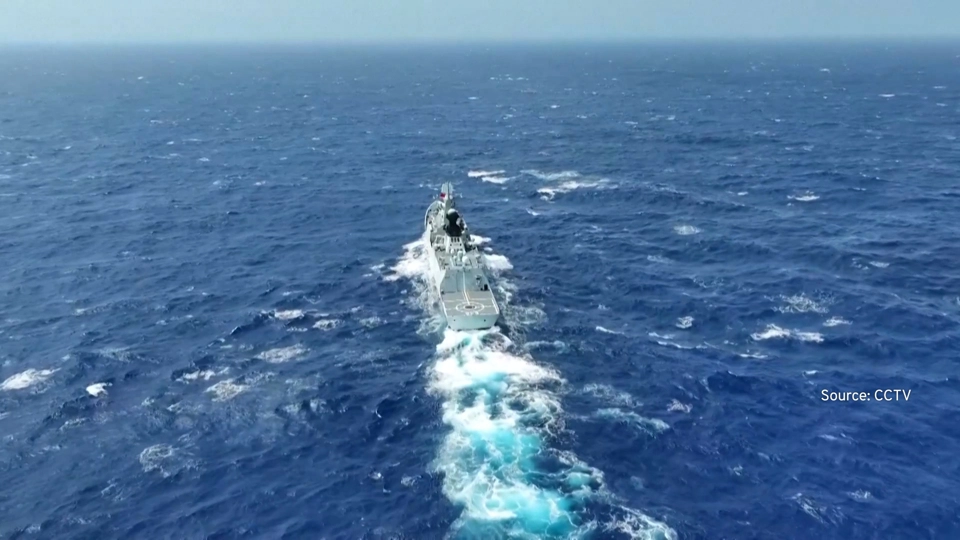 00:31
00:31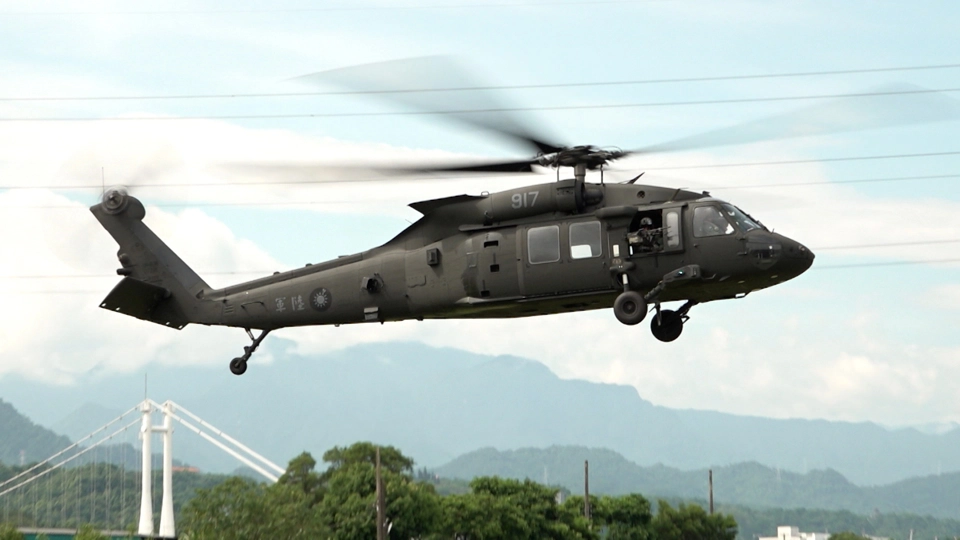 02:38
02:38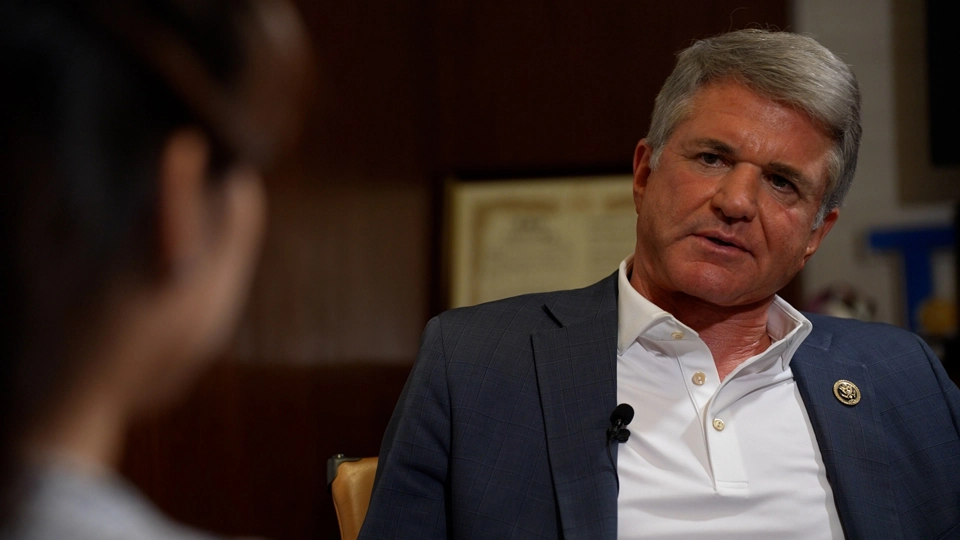 07:10
07:10 00:36
00:36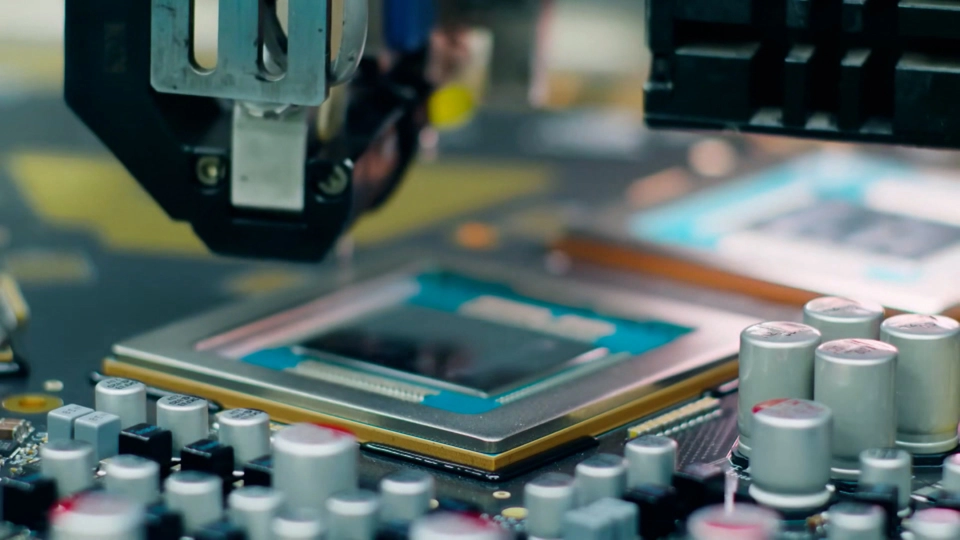 00:35
00:35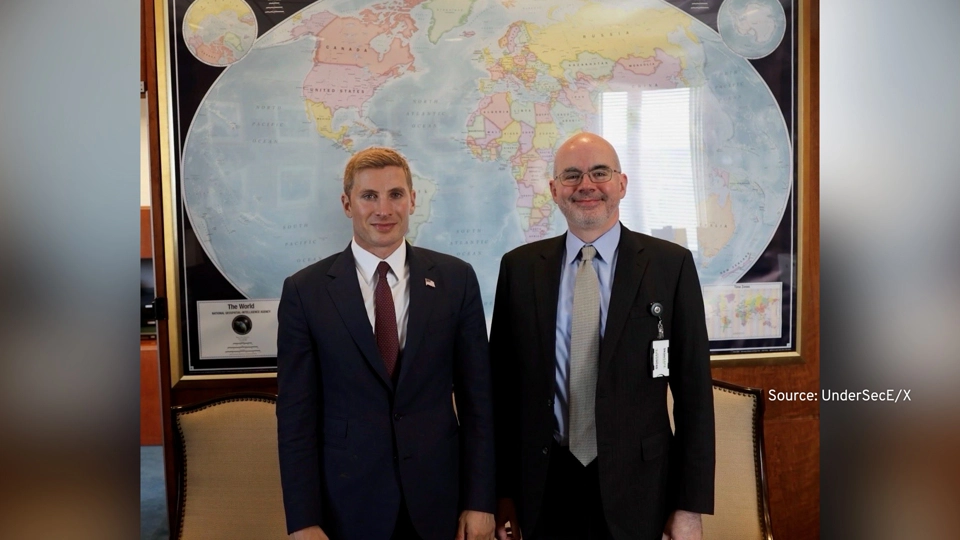 00:31
00:31 02:36
02:36