**Tensions Rise in the Middle East Amid Nowruz and Eid al-Fitr**
REPORTER:
This Tehran bazaar is bustling as Iran celebrates the Persian New Year, Nowruz, but the atmosphere is somewhat muted: there’s a war on that’s engulfed the whole region.
REPORTER:
The mood is even more somber in Lebanon’s capital Beirut. Here, displaced people spend Eid al-Fitr, the end of the Muslim holy month of Ramadan, in rain-soaked tents. The US and Israel have been trading strikes with Iran for three weeks now, and mixed messages mean it’s unclear what happens next.
REPORTER:
US President Donald Trump says he’s considering winding down the war.
REPORTER:
But the US is also sending reinforcements to the Middle East—and CBS reports the country’s making, quote, “heavy preparations” in case American boots end up on the ground in Iran.
REPORTER:
Trump himself has ruled out a ceasefire.
Donald Trump (US PRESIDENT):
Well, look, we can have dialogue, but we don't, I don't want to do a ceasefire. You know, you don't do a ceasefire when you're literally obliterating the other side.
REPORTER:
And from Iran’s new Supreme Leader Mojtaba Khamenei, a defiant written statement for Nowruz read aloud on state TV. In it, he cites his father and predecessor, who was killed in a strike.
Mojtaba Khamenei (SUPREME LEADER):
Finally, in this section, following the example of our great and martyred leader, I hereby declare this year’s slogan to be: A resistance economy under the shadow of national unity and national security.
REPORTER:
As the fighting continues, the world is also watching the price of oil soar, since Iran blocked off the Strait of Hormuz, a crucial chokepoint for the global supply. Trump has waived sanctions on the 140 million barrels of Iranian oil already at sea for a month to try to bring prices under control.
REPORTER:
Despite the threat of Iranian attacks, nearly 100 ships have cleared the strait since the war began—and there are signs Iran could be willing to let some ships through—including from Japan.
REPORTER:
But with both sides continuing to trade strikes, and the prospect of more US forces and weapons on the way, what's become a three-week war looks set to grind on.
 02:15
02:15 03:07
03:07 03:23
03:23 03:25
03:25 03:23
03:23 02:42
02:42 02:54
02:54 02:56
02:56 03:24
03:24 02:33
02:33 00:27
00:27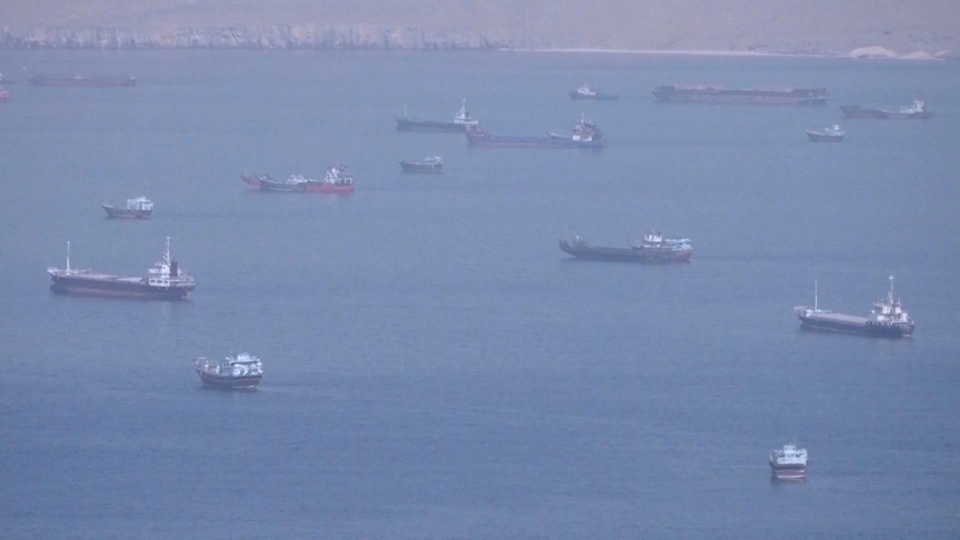 00:30
00:30 02:36
02:36 00:33
00:33 02:50
02:50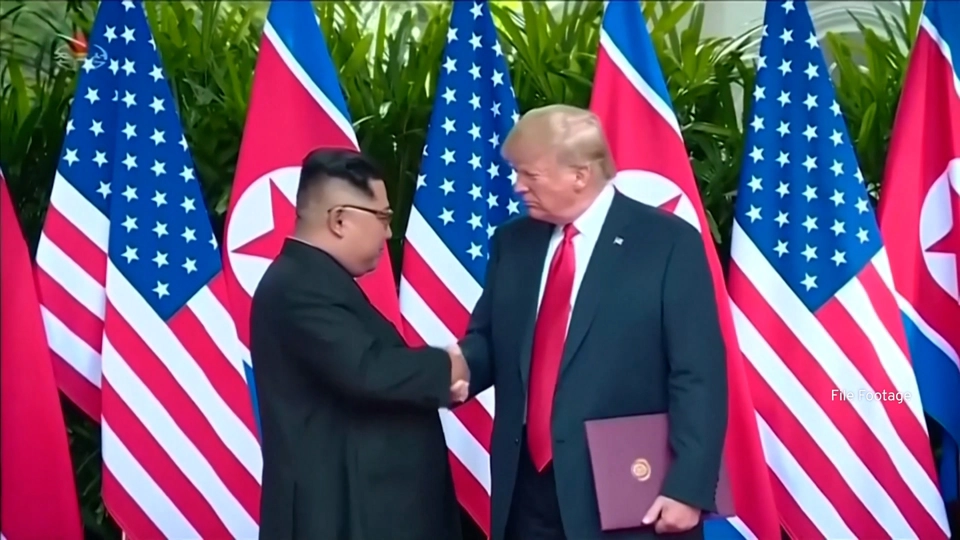 03:09
03:09