With every car and bus in sight submerged, boats and wading people are the only traffic on the flooded streets of Bangkok’s Bang Kapi District. Between Thursday and Sunday alone, more than 330 millimeters of rain fell on the city, and Monday brought more. Across the country, eight people have now died amid heavy rains since mid-September. This is the height of Thailand’s rainy season, but people here are still surprised at the speed the floodwaters rose—and the little warning they were given.
As of Monday, more than 80,000 residents are trapped inside buildings like these, many without running water or electricity. And they’re still imagining how big of a disaster they’ll find once the floodwaters finally do recede.
SURANEE PANOH, APARTMENT BLOCK MANAGER:
"The value of the damage is probably huge. There are nearly 30 cars parked here, not to mention all the motorcycles that couldn't be moved to dry places, plus the property of people living on the ground floor. If I had to estimate the monetary cost, it would be massive. But as for the mental health of the people trapped here, that is priceless and impossible to measure."
But stranded apartment dwellers at least have a place to ride out the storm. Around 5,000 people are in shelters set up in places like schools. Again and again, memories of the last big flood come to people’s minds. But this time, it seems to have been more severe—and more of a surprise.
NAMPHET CHANJUINGTAVORN, SCHOOL TEACHER:
"This is the first time that we faced an urgent situation like this. For some cases where we had time to prepare, like in 2011, we were hit, but we had time to prepare."
There’s not much time to dwell on the misery, though. People still need food, medicine and other supplies. People still need to make a living, too. Residents wade or float out to markets to get essentials and stock up for the days ahead. As the city’s governor said Sunday, it could take a week for the floodwaters to fully recede.
Among those out today is Naowarat Supanikorn, newly unemployed. In the early hours of Saturday, she realized the floodwaters had begun seeping into her house. As she tried to deal with her crisis at home, her workplace told her it would happily take her resignation if she couldn’t make it in. So she’s quit... and is now trying to earn money by selling street food. Despite her smiles, it’s not going well.
NAOWARAT SUPANIKORN, RESIDENT:
"It’s stressful. If the bills come, I’d be cooked, because I don’t have work now. If I have to pay for water or electricity now, it would be bad. I need to sell some food first. I haven’t made a profit yet."
But as aerial views of the countryside show, this isn’t just a disaster for Bangkok. It’s not even just a disaster for Thailand. Neighboring Myanmar has also seen ten deaths, and floods have caused over 4,000 people to evacuate in Cambodia. Submerged fields like these show the wider scale of this disaster... in this part of the world, just waiting for the incessant rain to stop.
Leon Lien and John Van Trieste for TaiwanPlus.
 01:56
01:56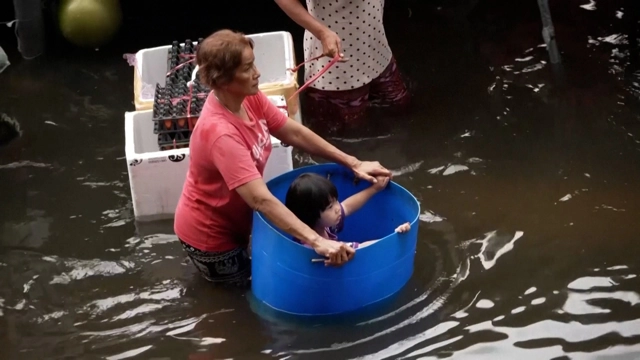 03:05
03:05 01:47
01:47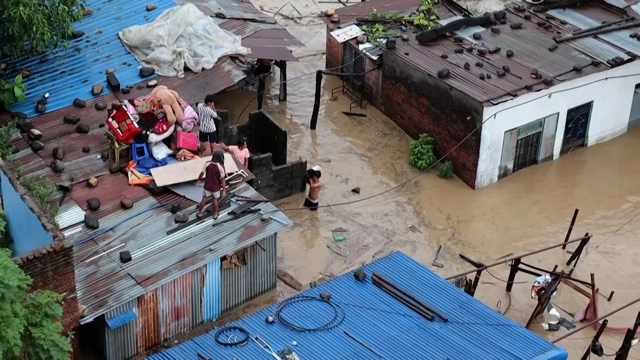 00:24
00:24 00:36
00:36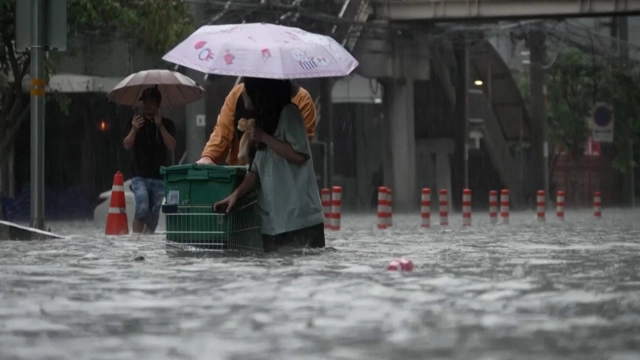 00:30
00:30 02:44
02:44 04:01
04:01 02:58
02:58 02:34
02:34 03:37
03:37 02:31
02:31 02:04
02:04 00:28
00:28 01:51
01:51 01:54
01:54