Nepal Glacier Flood: Grief and Search Continue
REPORTER:
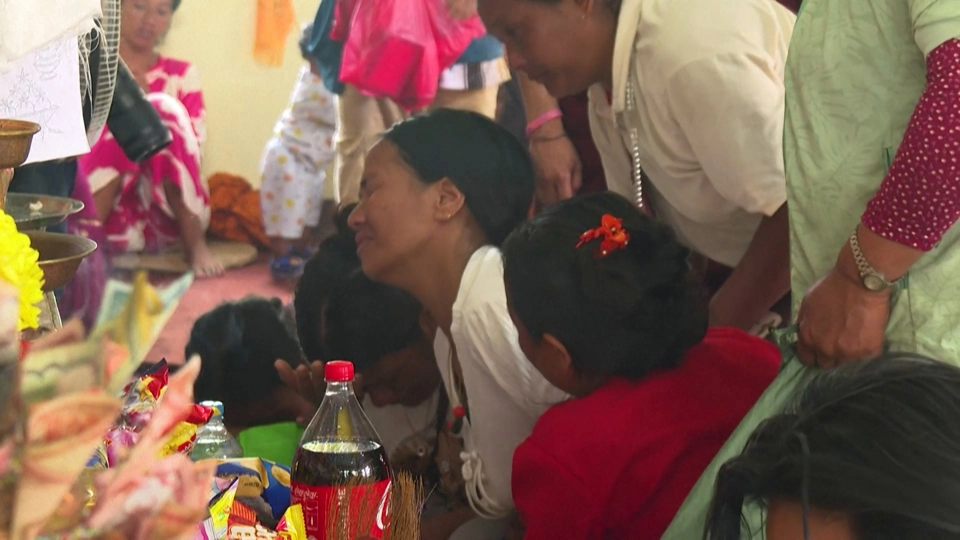
Weeping families gather to make offerings to the dead at this Nepali monastery. It’s been a week since a sudden glacier collapse sent floodwaters tearing through the Nepal/Tibet border area. And while over 1,200 are confirmed dead, more than 4,000 are still missing. The mood at this prayer assembly is somber—even finding remains might be difficult given the scale of the destruction.
BITE:
I don't have hope. It has been a week already, how will they find the bodies? The bodies are missing, the bridges are gone, the hydropower plant is gone -- where do I go searching? My relatives are all gone. What will I do alone by myself?
REPORTER:
And Nepal’s government has a stark warning amid the catastrophe: without global action, it may not be the last the region will face.
BITE:
This is a serious signal that, alongside climate change, the risks we must bear in the Himalayan region are increasing. We must be aware of this and the time has also come for us to present, forcefully, before the international community, the disasters we are suffering because of climate change. Climate change is a product of the whole world's contribution, hence, mitigating and managing its effects is the shared responsibility of the global community.
REPORTER:
Meanwhile, the search for the missing goes on. Relatives rush to give DNA samples, hopeful this will help search teams come back with some news. Some have even brought in the closest relatives they could find in hopes of a match.
BITE:
To test DNA, you need close relatives; having only relatives does not work. So, I have brought him from his school. His uncle brought him here just now. The sample-collecting officials said it may take 15 days to two months to get a DNA match.
REPORTER:
Special tents take DNA samples from foreign nationals: a large number of the missing are trekkers and pilgrims from a range of countries who had been in the area where the floods struck.
The search is still on, though, especially in these hydroelectric plant tunnels where teams can discover the fate of several hundred people believed to be inside.
Aid drops and medical evacuations are ongoing, too.
It’s a similar story in Tibet where UNIDENTIFIED PERSON put the death toll at 21 with more than 540 missing. Though the region is largely closed off to foreign journalists and Tibetan groups abroad have questioned UNIDENTIFIED PERSON official account, Beijing says it has been transparent and is mobilizing resources.
The UN is joining foreign governments in offering help—and it’s launching a special program to get aid where it’s needed.
BITE:
The government of Nepal and the head of the UN office, our resident coordinator in Nepal, Lila Pieters Yahia, have agreed to launch a four-month Humanitarian Flash Appeal; that would be on Friday. The appeal will support the Government-led response and focus on mobilizing resources to save lives, deliver urgent humanitarian assistance and address the most critical needs to communities impacted by the floods.
REPORTER:
But as Nepal waits for that help, it’s left to mourn and look back at the faces of those for whom it may already be too late.
 03:14
03:14 02:24
02:24 00:33
00:33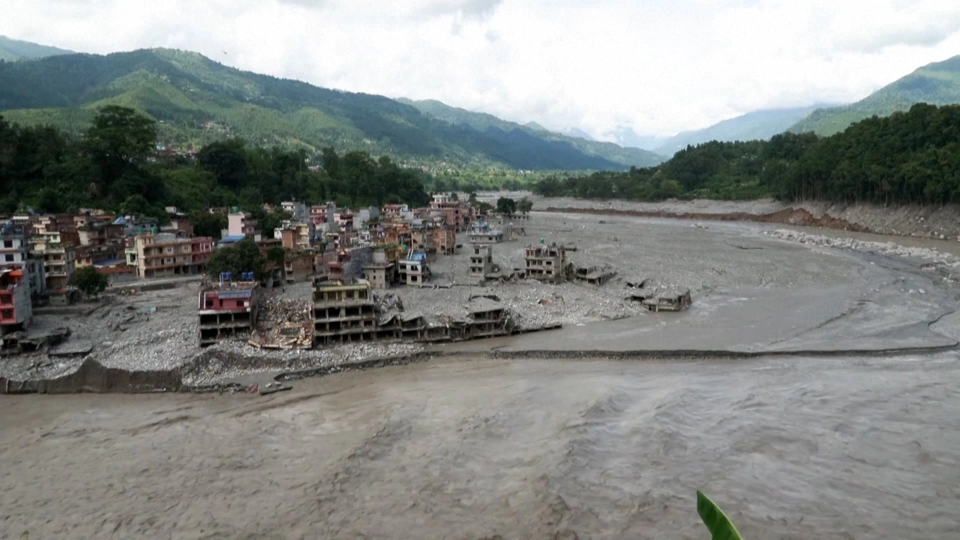 03:22
03:22 02:37
02:37 03:50
03:50 02:52
02:52 01:39
01:39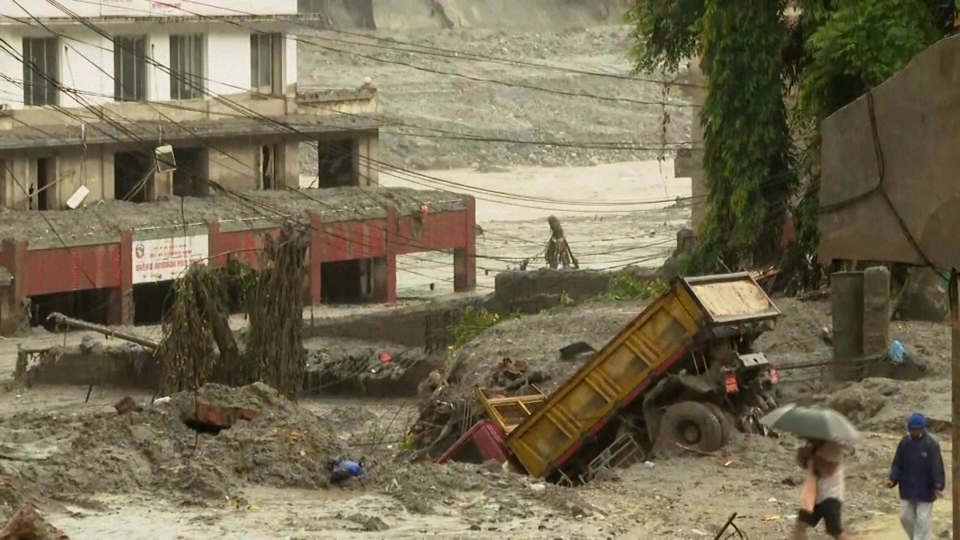 00:43
00:43 03:39
03:39 02:15
02:15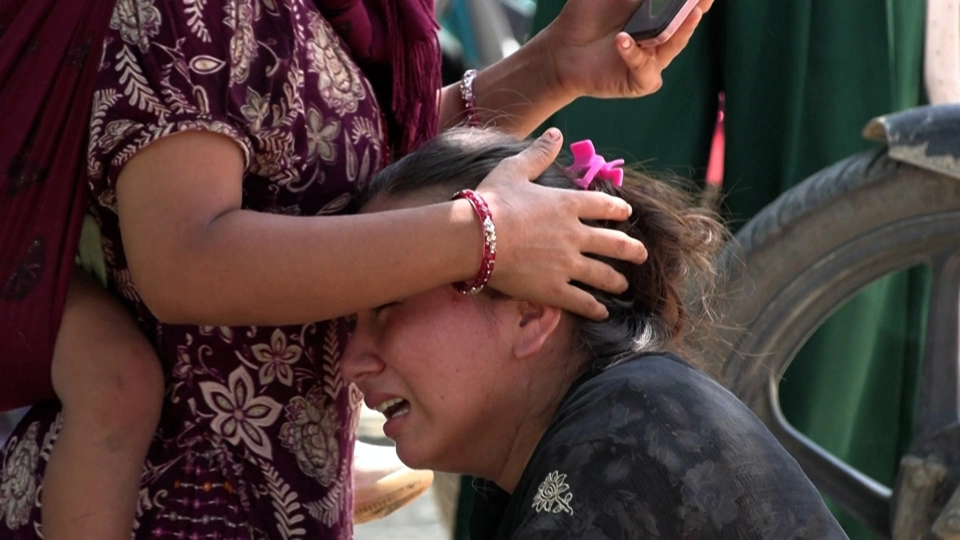 03:07
03:07 03:25
03:25 03:01
03:01 00:42
00:42 00:30
00:30