Japan’s ‘Iron Lady’ Faces Voters in Snap Election
REPORTER:
In the final days before Japan holds a snap election, people on the streets of Tokyo are still weighing the choice in front of them.
Prime Minister Takaichi Sanae wants a mandate for her coalition which includes policies like increased spending and boosting the military.
And her gamble may pay off: a poll released Sunday shows her coalition getting well over a majority in the lower house, with the main opposition party set to lose half its seats. But the campaign’s not over until it’s over, and people are far from unified in the views of the prime minister.
REPORTER:
To lower the cost of living, Takaichi has pledged to cancel a tax on foodstuffs for two years. But voters think taxes in general are just too high.
Ms. Chou (RESIDENT OF DAMAGED BUILDING):
I’m not satisfied. I do feel [the government] is taking too much in taxes. The actual pay we take home is so very little, and in Japan they impose a lot of different taxes. I think the consumption tax is the biggest one. So many taxes are taken that, honestly, it feels like it’s putting real pressure on people’s lives.
REPORTER:
Others are undecided: the campaign is less than two weeks long.
Undecided Voter:
It kind of feels like politicians have only just finally started some campaigning, and I haven’t really listened to what they’re saying yet.
REPORTER:
And even some likely to vote for Takaichi don’t share all her policy views.
Likely Takaichi Voter:
I do support Prime Minister Takaichi. However, regarding the consumption tax reduction—well, originally, they should have introduced something like the reduced tax rate system used in Europe from the very beginning. Instead, what we ended up with was something halfway done, a so‑called ‘reduced tax rate’ that doesn’t really have much meaning.
REPORTER:
But there are signs outside the polls that Takaichi really is popular—and influential too.
In the small town of Miyota, over 100km from Tokyo, this handbag factory for luxury leatherworker Hamano has a backlog of orders stretching for nine months.
Hamano Representative:
Honestly, we didn’t expect it to spread this widely. But the scene of Prime Minister Takaichi walking briskly looked very striking, and from there, young people in Japan as well as people overseas have become aware of our bag. We’re very happy about that.
REPORTER:
The trend has reached young voters especially. Polls show her support among under-30s at over 90%--and some just coming of voting age like her style as well as her substance.
Young Voter:
Well, she’s the first female prime minister, so a lot of young people like myself are curious about what kind of apparel she uses, and I saw a lot of posts going viral about it. So, you know, I think it would be nice if I could use the same things as her, so I was curious about it and looked it up.
REPORTER:
Takaichi has said she either wins her majority or resigns—it’s up to Japan’s voters. But people outside the country are watching closely, too.
US President Donald Trump has given her a strong endorsement, saying she deserves “powerful recognition” for her work so far.
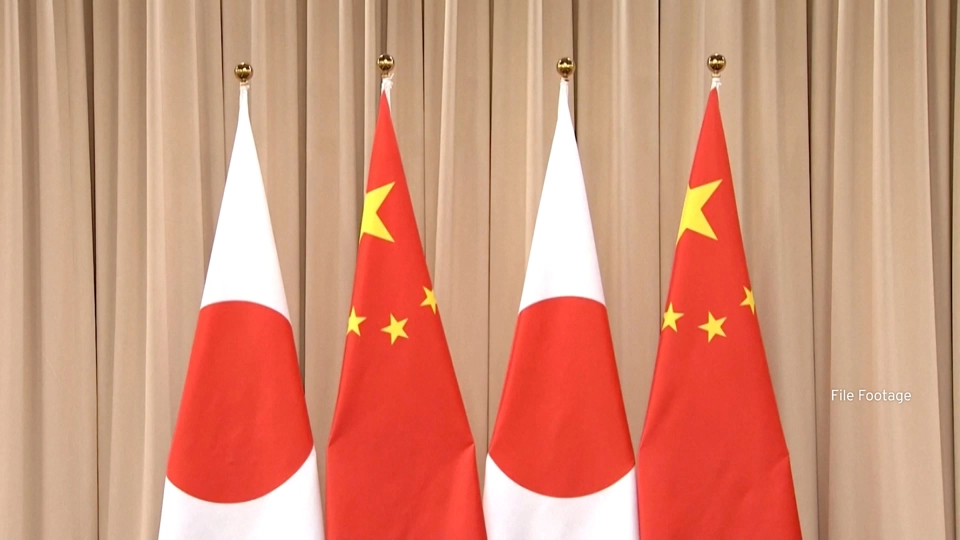
And in Taiwan, there’s a particular interest in which way the vote goes because Takaichi has made her concern about China’s threats to invade Taiwan explicit. In November, she even said Japan’s military might have to respond to a Chinese attack on Taiwan—bringing fury from Beijing. Analysts say not everyone may support that view, but an about face is unlikely.
Political Analyst:
So in general, it's not as if there are a whole lot of people, even on the conservative side, who are sort of endorsing Takaichi and really hoping that she will continue this track. However, she has gained in stature as a tough woman, as an iron lady of modern Japan. And therefore, I think it's very unlikely that she'll back down from it during the campaign.
REPORTER:
The vote is Sunday. The question now is whether Takaichi’s popularity translates into the votes she needs to remain Japan's “Iron Lady”.
 03:39
03:39 02:15
02:15 03:07
03:07 03:25
03:25 03:01
03:01 00:42
00:42 00:30
00:30 02:42
02:42 02:54
02:54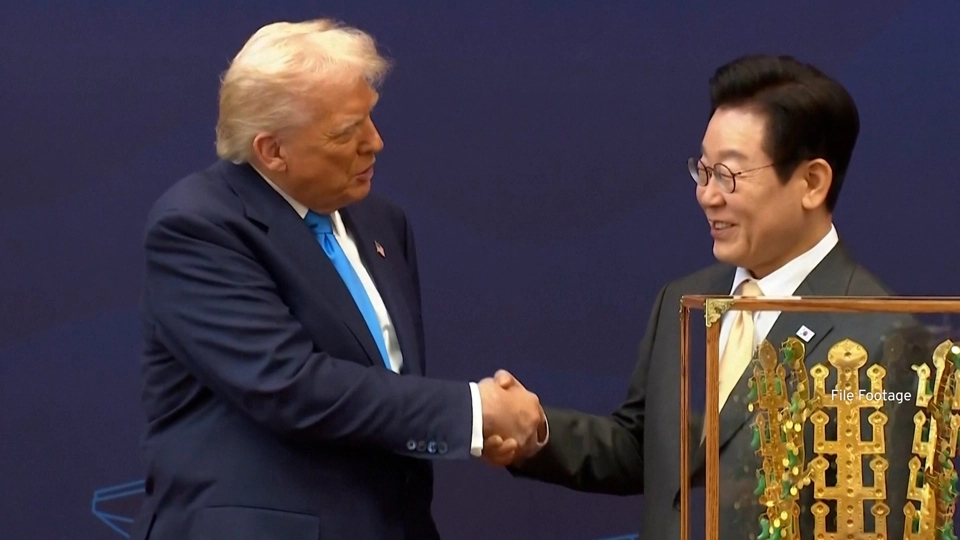 03:24
03:24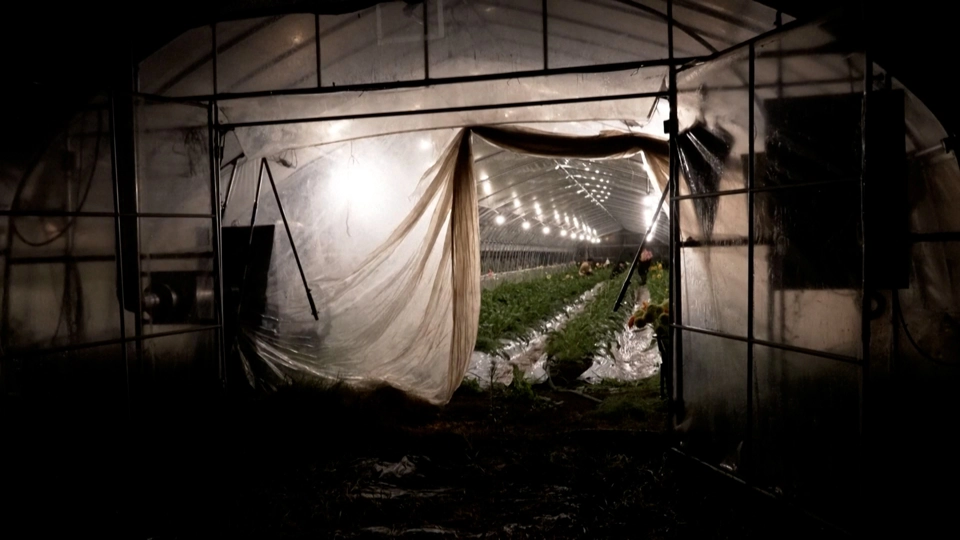 02:06
02:06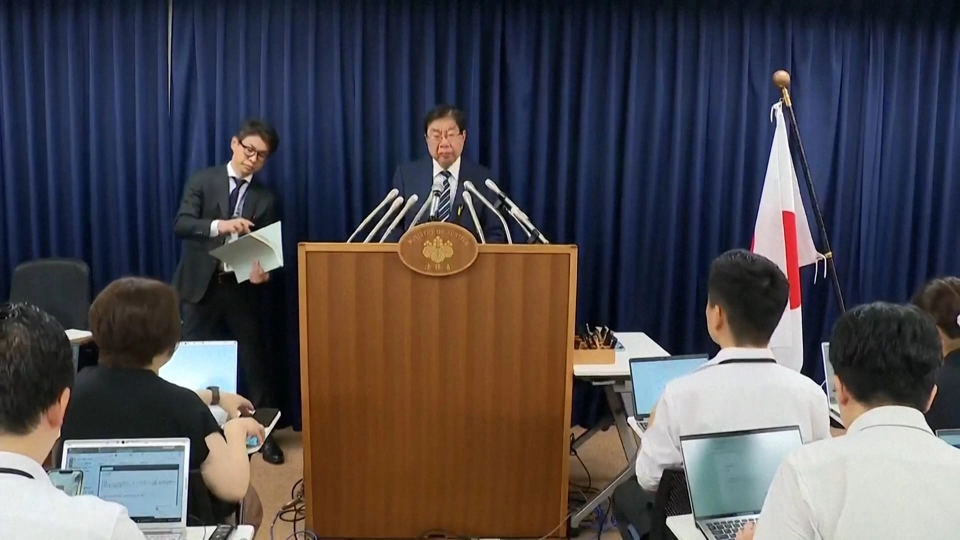 00:32
00:32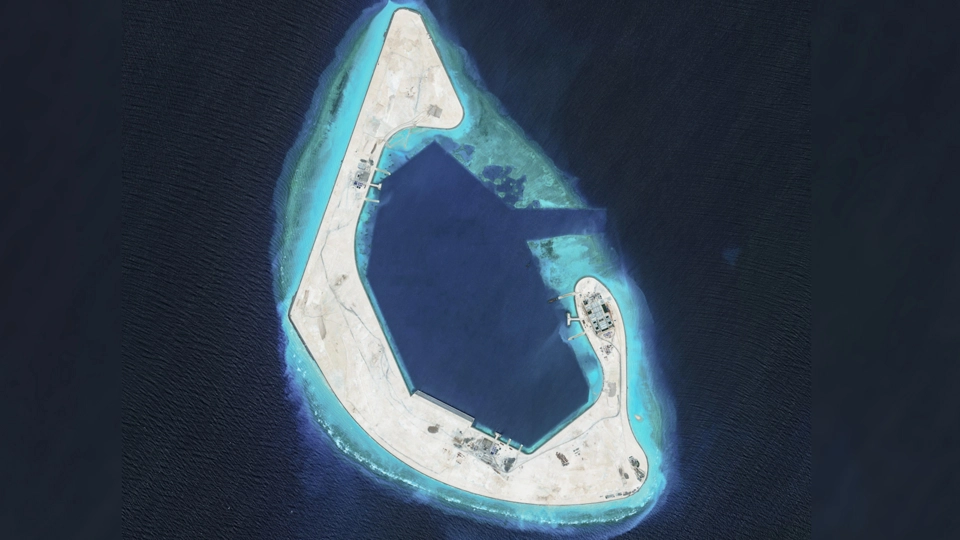 00:29
00:29 00:30
00:30 03:50
03:50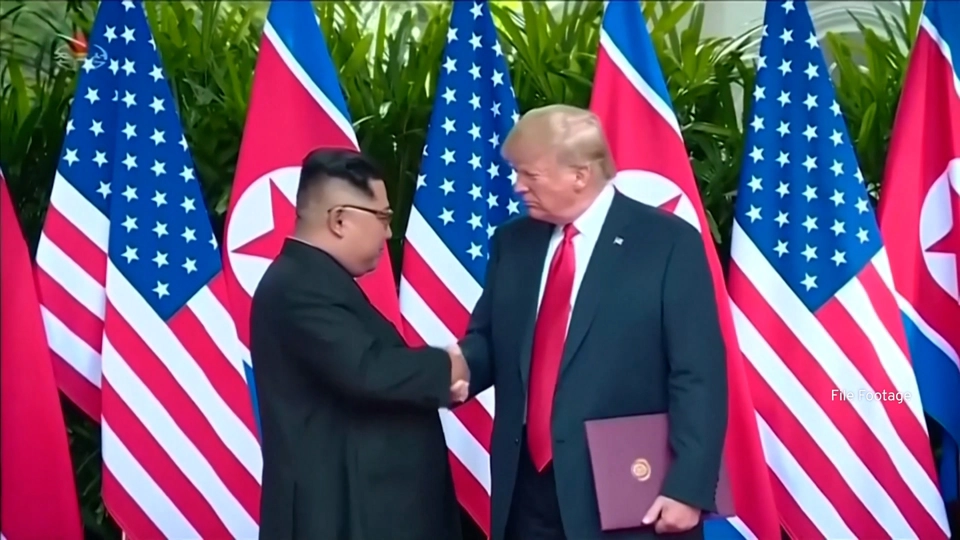 03:09
03:09