Japan-China Diplomatic Row Escalates
REPORTER:
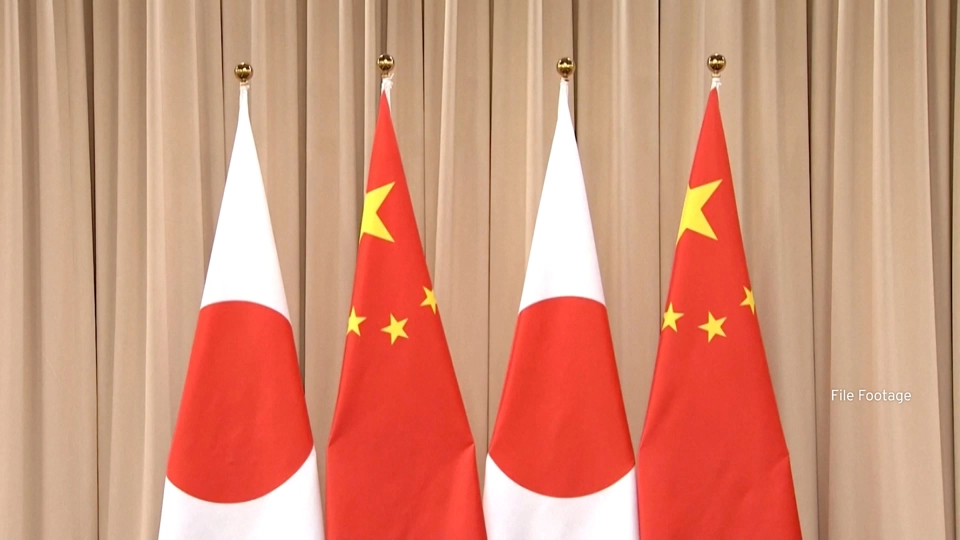
The head of Japan’s Asian and Oceanian Affairs Bureau walks out of a meeting with his Chinese counterpart in Beijing on Tuesday, looking to de-escalate tensions. The ongoing diplomatic row began with strongly worded statements, but now both sides have issued warnings to their citizens about travel to each other’s country; China delayed the release dates for several Japanese movies; and airlines have cancelled flights, along with tour groups refunding vacation packages.
Kihara Minoru (JAPANESE CHIEF CABINET SECRETARY):
This recent advisory is based on local news reports regarding current Japan–China relations. In light of this, the Japanese diplomatic missions in China have once again urged Japanese nationals residing there to take thorough safety precautions.
REPORTER:
These are clear signs that the state of relations between the two sides continue to tailspin after Japanese Prime Minister Takaichi Sanae said Tokyo might intervene if China attacked Taiwan. For Taiwan, caught in the middle of the spat, the situation reflects its fraught geopolitical position.
Hsiao Kuang-wei (SPOKESPERSON, TAIWAN FOREIGN MINISTRY):
Taiwan is not a problem. Taiwan is a solution. The foreign ministry and the Japan-Taiwan Exchange Association maintain close communication on issues across the board.
REPORTER:
Shares in Japanese tourism and retail companies are already seeing a negative turn, with some analysts predicting losses of billions of dollars if China’s threats on tourism come to full fruition. Despite a potential economic downturn, it seems most of Japan’s public support Takaichi and her plan to raise defense spending, though there is less support for committing to defend Taiwan in the event of a crisis.
Tsai Hsi-hsun (TAMKANG UNIVERSITY):
Public opinion polls basically show that the Japanese public support Takaichi. Her speech reflects her own views. Why is that? Because Japan truly feels that the rapid growth of China’s military power threatens Japan’s national security. As for Takaichi she did not invent this term [Taiwan contingency] herself. The late prime minister Abe Shinzo had already said it on Dec. 1, 2021 and former prime minister Aso Taro mentioned it last year. Takaichi simply stated it more clearly.
REPORTER:
Other countries, such as the Philippines, the US and South Korea, are surely keeping an eye on what happens between Tokyo and Beijing – the US ambassador to Japan even tweeted out a Christmas card thanking China for strengthening the US-Japan alliance. Meanwhile, the tit-for-tat between Beijing and Tokyo shows no signs of cooling off.
 03:39
03:39 02:15
02:15 03:07
03:07 03:25
03:25 03:01
03:01 00:42
00:42 00:30
00:30 02:42
02:42 02:54
02:54 03:24
03:24 02:06
02:06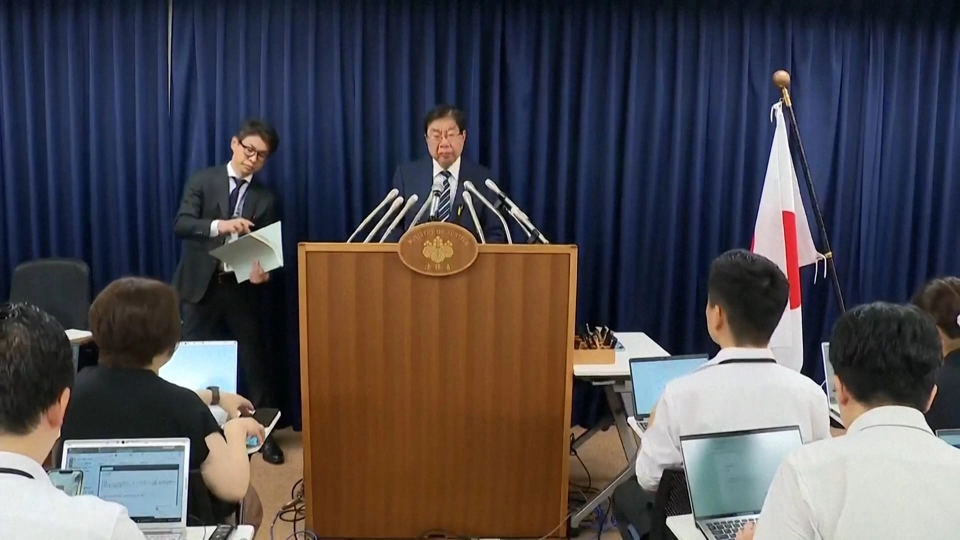 00:32
00:32 00:29
00:29 00:30
00:30 03:50
03:50 03:09
03:09