Tensions Rise over China’s Military Drills Near Taiwan
REPORTER:
President Lai Ching-te has a message for Beijing as it begins new military drills on the Yellow Sea: stop adding to tensions in a volatile part of the world.
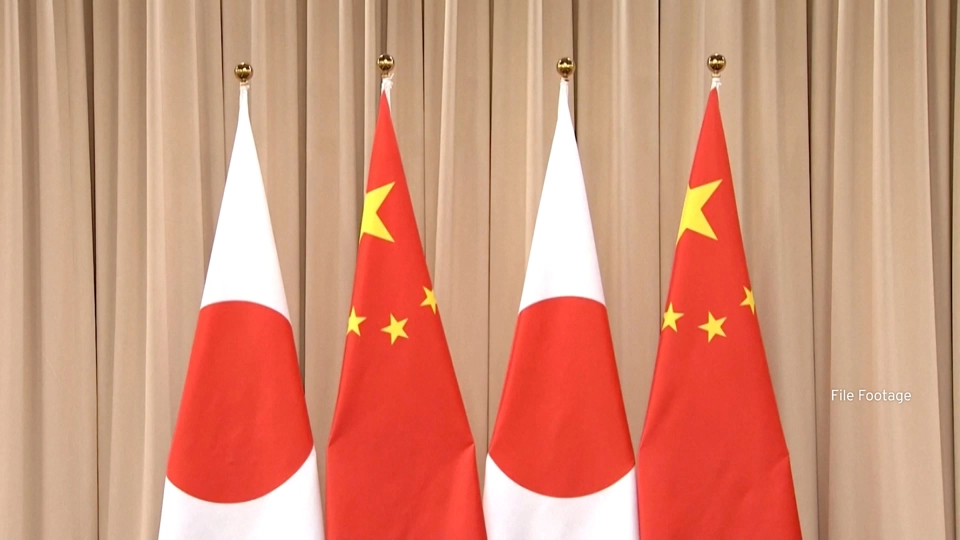
The three-day live-fire drills starting Monday come as friction mounts between China and Japan, across the water. And the source of that friction is Taiwan.
China claims Taiwan and won’t rule out taking it by force.
But earlier this month, Japan’s Prime Minister Takaichi Sanae said a Chinese invasion of Taiwan could bring a Japanese military response.
Ties have quickly soured, and China’s announcement of three days of drills, starting Monday, seems to be the latest low-point.
Lai Ching-te says China is a major power—and has a responsibility to act like one.
I call on the international community to continue paying attention.
I also urge China to exercise restraint
and demonstrate the conduct of a major power.
It should not become a troublemaker in regional peace and stability.
REPORTER:
It’s not just drills, either. China has warned its citizens against travel to Japan—and in a now deleted social media post, its consul in Osaka seemed to threaten Japan’s prime minister over her Taiwan remarks.
But Taiwan’s chief in charge of Japan ties, Su Jia-chyuan, says Japan has grown numb to China’s behavior—and now it’s even starting to get fed up.
Su Jia-chyuan (TAIWAN’S CHIEF IN CHARGE OF JAPAN TIES):
I think these live fire drills are a way of threatening
the international community, Japan and even Taiwan.
I think at first Japan was very anxious [about China]
but as with China’s protests
it’s come to see it all as just routine.
I see Japan very angry with China’s provocations.
They won’t necessarily be good
for China in international relations.
REPORTER:
And there are signals from Washington that Japan and Taiwan don’t stand alone.
US Ambassador to Japan George Glass put out this social media post, saying the US and Japan share a resolve to preserve stability and peTensions Rise over China’s Military Drills Near Taiwan
REPORTER:
President Lai Ching-te has a message for Beijing as it begins new military drills on the Yellow Sea: stop adding to tensions in a volatile part of the world.
The three-day live-fire drills starting Monday come as friction mounts between China and Japan, across the water. And the source of that friction is Taiwan.
China claims Taiwan and won’t rule out taking it by force.
But earlier this month, Japan’s Prime Minister Takaichi Sanae said a Chinese invasion of Taiwan could bring a Japanese military response.
Ties have quickly soured, and China’s announcement of three days of drills, starting Monday, seems to be the latest low-point.
Lai Ching-te says China is a major power—and has a responsibility to act like one.
I call on the international community to continue paying attention.
I also urge China to exercise restraint
and demonstrate the conduct of a major power.
It should not become a troublemaker in regional peace and stability.
REPORTER:
It’s not just drills, either. China has warned its citizens against travel to Japan—and in a now deleted social media post, its consul in Osaka seemed to threaten Japan’s prime minister over her Taiwan remarks.
But Taiwan’s chief in charge of Japan ties, Su Jia-chyuan, says Japan has grown numb to China’s behavior—and now it’s even starting to get fed up.
Su Jia-chyuan (TAIWAN’S CHIEF IN CHARGE OF JAPAN TIES):
I think these live fire drills are a way of threatening
the international community, Japan and even Taiwan.
I think at first Japan was very anxious [about China]
but as with China’s protests
it’s come to see it all as just routine.
I see Japan very angry with China’s provocations.
They won’t necessarily be good
for China in international relations.
REPORTER:
And there are signals from Washington that Japan and Taiwan don’t stand alone.
US Ambassador to Japan George Glass put out this social media post, saying the US and Japan share a resolve to preserve stability and peace in the Taiwan Strait.
China is going ahead with the drills regardless.
But a Kyodo News Agency poll Sunday found around 49% of Japanese people support Japan’s involvement if China attacks Taiwan against around 44% opposed.
And if the backlash Su Jia-chyuan sees is real, China may find its tactics push Japan away further.ace in the Taiwan Strait.
China is going ahead with the drills regardless.
But a Kyodo News Agency poll Sunday found around 49% of Japanese people support Japan’s involvement if China attacks Taiwan against around 44% opposed.
And if the backlash Su Jia-chyuan sees is real, China may find its tactics push Japan away further.
 03:39
03:39 02:15
02:15 03:07
03:07 03:25
03:25 03:01
03:01 00:42
00:42 00:30
00:30 02:42
02:42 02:54
02:54 03:24
03:24 02:06
02:06 00:32
00:32 00:29
00:29 00:30
00:30 03:50
03:50 03:09
03:09