75 Years Since the Korean War: Last Refugees from a Unified Korea Still Can’t Return
REPORTER:
Autumn in South Korea, and families gather along the northern border to make offerings to ancestors whose graves they haven’t visited for nearly three generations — and, given the current state of affairs, don’t expect to see again in their lifetime.
Ryh Jae-hong (SON OF A NORTH KOREAN DISPLACED PERSON):
If you cross straight over, that’s my father’s hometown. That’s where my grandparents are.
REPORTER:
Ryh Jae-hong tosses a cup of wine towards father’s hometown of Yeonbaek. It’s now part of North Korea — just 2 kilometers away, but it might as well be on the moon. Jae-hong's father fled south during the Korean War soon after a tense armistice sealed the border in 1953.
Situated at the mouth of the Han River, Gyodong Island welcomed thousands of refugees like Min Ok-sun at the war’s end.
On they trudge, North Koreans choosing to become homeless wanderers, rather than slaves to a regime that threatens to engulf the entire Asiatic world. Each form of transport becomes an evacuation express to weary travelers, and each river crossing a bottleneck.
REPORTER:
More than 1.5 million people fled to the South during the war. Few knew they’d never be able to return.
Chai Jae-ok (NORTH KOREAN REFUGEE):
My parents’ [graves] are only about six kilometers away.
Six kilometers — that’s barely 10 minutes by car.
Can there be a sadness deeper than this?
REPORTER:
For decades they waited for reunification between North and South Korea – or at least a detente – anything to see their families. Today, 72 years later, telescopes on the island’s north are the only way they can glimpse their old hometowns.
Chai Jae-ok (NORTH KOREAN REFUGEE):
We are a people with broken hearts.
Chai Jae-ok (NORTH KOREAN REFUGEE):
Even though we live in abundance today
my parents, my brothers and sisters
all remained in North Korea. I came to the South and had to abandon them. What use is living in luxury if I cannot see them again?
REPORTER:
The North calls the South a hostile state, and tensions between the two sides are worse than they’ve been in decades. Pyongyang recently shut down institutions dedicated to reunification and tore down transport links built in the 2000s, when things were a little more hopeful.
REPORTER:
With little say in their fate and aging fast, refugees sing songs that remind them of home.
Min Ok-sun (NORTH KOREAN REFUGEE):
All I long for are my mother and father.
I left my hometown at seventeen
fleeing the war, and I haven’t seen them since.
When I see others with their parents
I can’t help but envy them — and tears are all that come.
Kim Chung-san (MIN OK-SUN'S HUSBAND, NORTH KOREAN REFUGEE):
When birds leave their nests under a roof
they always find their way back —
that’s called the homing instinct.
And we humans also have this need to return home.
REPORTER:
Like his wife, Kim still dreams of home — but for him, that longing has never faded into peace.
Kim Chung-san (MIN OK-SUN'S HUSBAND, NORTH KOREAN REFUGEE):
She [my wife] can sleep peacefully
under thick blankets and think
'This is my resting place.'
But not me.
Every day, I fight inside
as if I were still at war.
REPORTER:
After years of safety and abundance in the South, the last generation to remember a unified Korea fades, singing the old songs, before resting in graves just kilometers from their ancestors, yet impossibly far from home.
 03:39
03:39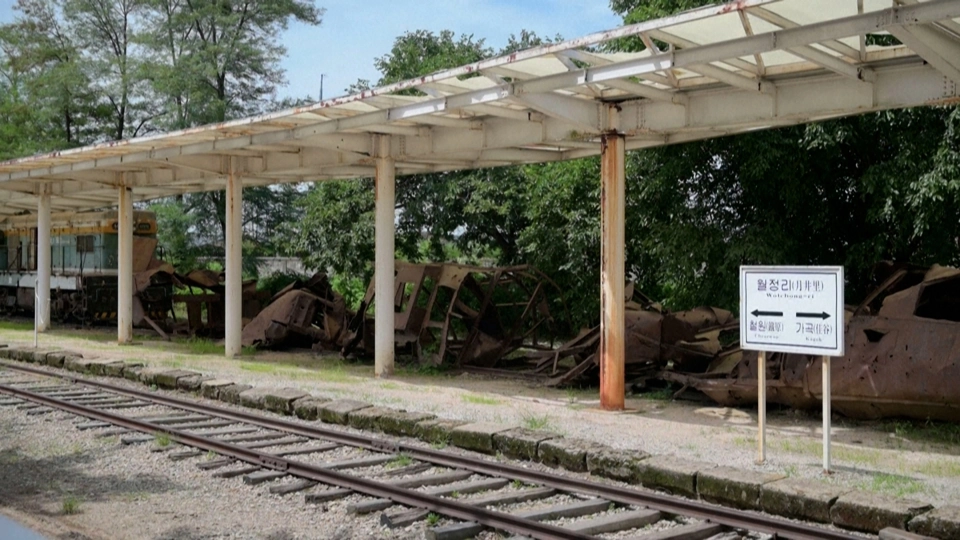 02:15
02:15 03:07
03:07 03:25
03:25 03:01
03:01 00:42
00:42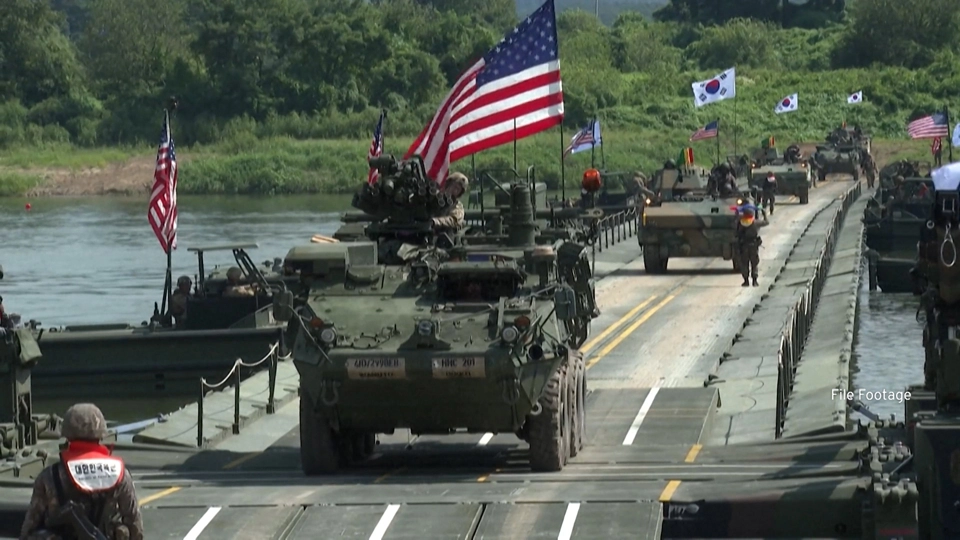 00:30
00:30 02:42
02:42 02:54
02:54 03:24
03:24 02:06
02:06 00:32
00:32 00:29
00:29 00:30
00:30 03:50
03:50 03:09
03:09