Japan's Next Probable Prime Minister: How Sanae Takaichi Could Change Relations with Taiwan
REPORTER:
Japan's Liberal Democratic Party chose Takaichi Sanae as its leader on Saturday, making her Japan’s likely next prime minister. Just last week, Takaichi called Taiwan an “important partner and valued friend of Japan” and advocated for continued peace in the Taiwan Strait. For more on how Takaichi would change Japan’s relationship with Taiwan, our reporter Lery Hiciano spoke with Ian Rowen, an associate professor at Kyushu University.
That was Japan-based professor Ian Rowen, speaking with reporter Lery Hiciano.
---
Sanae Takaichi’s Leadership and Its Implications for Japan-Taiwan Relations
REPORTER:
The Japanese Liberal Democratic Party selected former economic security minister Sanae Takaichi as its leader this past Saturday, making her the likely next prime minister. Last week, Takaichi called Taiwan an “important partner and valued friend” of Japan and advocated for continued peace in the Taiwan Strait. After her win, President Lai sent her a congratulatory message and expressed his hope for deeper cooperation between the two countries. For more on how Sanae would change Japan’s relationship with Taiwan and other neighbors, our reporter Lery Hiciano spoke to Ian Rowen, a professor based in Fukuoka Japan.
That was Ian Rowen, a professor based in Japan, speaking to our reporter Lery Hiciano.
---
Ian Rowen (Associate Professor, Kyushu University):
I think Takaichi’s first priority is going to be shoring up her own position in the party in Parliament, and making sure that her coalition can stay together. The LDP and its partner, Komeito, are a minority coalition. It's going to be hard enough for her to maintain cohesion in her position. Before we can talk even about what her policy priorities are going to be. So she's spoken about fiscal stimulus. She's spoken about increasing Japan's presence in the world, increasing its military partnerships. She's also very known for having a socially conservative stance. But how she prioritizes this and what order she pursues this agenda remains to be seen, and how ambitious she can be is going to depend on how much she can shore up her own position in the party, in Parliament and nationally.
So, she has met with Taiwan's leaders. She has visited Taiwan. She has hosted Taiwanese foreign minister within Japan. She's talked about a quasi-security alliance between Japan, Taiwan, India and Australia. This perhaps has an increased impetus as the US seems more and more like an unreliable partner, under the current US administration. So she may look set to pursue this, however, as Japan also recalibrates its relationship with China, and as the US does so as well, the scope with which she can pursue that kind of agreement remains to be seen.
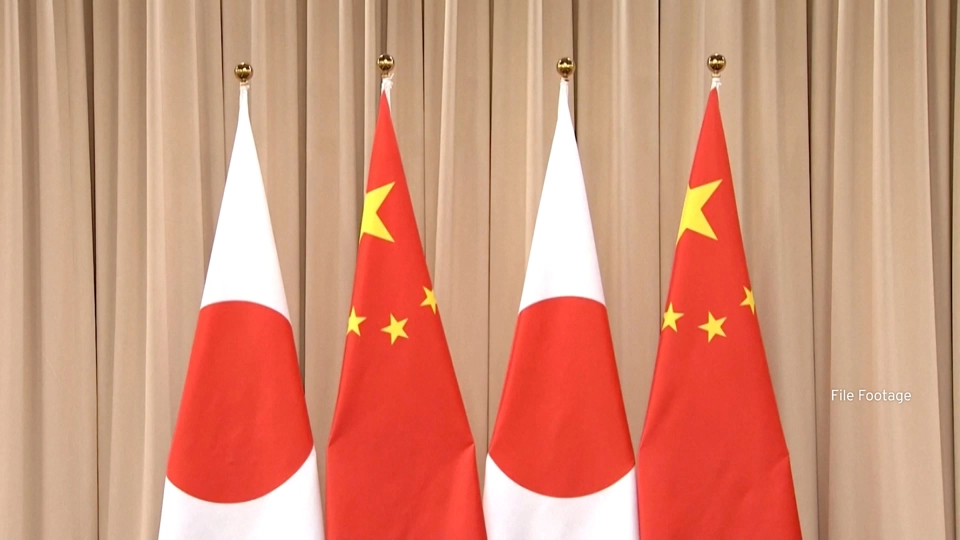
She's known for taking a more hawkish stance on China. She's known for wanting to build up Japan's military to revise its constitution. Like her predecessor and mentor in a way, former Prime Minister Abe. She's also spoken about a need to deepen security relationships with South Korea in addition to Taiwan. That said, again, Japan and China's economic and trade ties are extremely important to both countries. And so, again, how she pursues this kind of security arrangement will remain to be seen. It's also possible that her hawkish stances on China, like many of her other stances, have been calibrated to raise her profile in the party and nationally. So, again, the distinction between what she says on campaign trails and in her past service as a minister and how she'll actually pursue things as prime minister is a question mark for all of Japan and for Taiwan as well.
So Takaichi comes from a much more modest background than her immediate predecessors. Abe Kishida and Ishiba are all from political royalty. Their backgrounds go back generations. Their predecessors, their grandparents have been prime ministers and the like. Takaichi is from a much more middle class background. She's a woman. She has a more colorful background. She's worked in media. She's known for heavy metal drumming, for enjoying cars. She worked very briefly in the office of the Democratic congresswoman Pat Schroeder in the US. So she has a fairly diverse, and unusual background for such a high level Japanese politician. She's also known for having a much more socially conservative stance than her immediate two predecessors, including on gender issues. It's quite striking that the first female prime minister of Japan is known for being more socially conservative, for being less of a champion of women's issues than the men immediately prior to her. So she's an unusual character. She's known for being more right wing, more ultranationalist even than previous members of the faction of the LDP that she's associated with, the Nippon Kaigi. This may also be a response to Japan's current political moment, in which there's an ascendancy of a far right populist party. The shock election of Sanseido may have been encouraging her to tack farther right, in order to shore up her support in the LDP among nationalist right wing Japanese members.
 03:39
03:39 02:15
02:15 03:07
03:07 03:25
03:25 03:01
03:01 00:42
00:42 00:30
00:30 02:42
02:42 02:54
02:54 03:24
03:24 02:06
02:06 00:32
00:32 00:29
00:29 00:30
00:30 03:50
03:50 03:09
03:09