Japan’s Likely Next Prime Minister
REPORTER:
Takaichi Sanae is likely to become Japan’s first female prime minister next week after winning the leadership of the ruling Liberal Democratic Party. Analysts are already looking at how her foreign policy could change the dynamics in the region.
Takaichi Sanae, Japan’s self-declared “Iron Lady,” is on the way to the political top. Japan’s ruling Liberal Democratic Party declared her its next leader on Saturday. And that means on October 15 she will likely become the first woman to serve as Japan’s prime minister.
She’s well-known for conservative viewpoints when it comes to domestic policy. But analysts are also looking at how her foreign policy might shape up—especially as, in her own words, Japan’s security situation has grown more complex in recent years, with Russia, North Korea, and China all ramping up military activity nearby.
This raises the question: what will be her relationship with the United States in the second Trump-era? The US plays a big role in Japan’s security. But Japan is among the many countries that have friction with the US over Trump’s tariff policies. Here’s what Takaichi says:
Takaichi Sanae (LDP LEADER):
If, in practice, something was to arise that goes against Japan's national interests, I believe we should clearly state that within the framework of the Japan-US talks. At the moment, we do not plan to overturn what has been agreed with the US.
REPORTER:
But it’s hard to know if a shared right-wing outlook between Takaichi and Trump will keep ties even-keeled.
Obviously, they share quite a nationalistic agenda, they've both said things that are pretty hostile towards the foreign residents and populations of their respective countries. They're both people who have been on record questioning the right of the media to hold politicians accountable and to scrutinise political leaders. So that seems like something that they, things that they have in common. But on the other hand, she's talking about wanting to revisit the deal that was done over tariffs to reduce the amount that Japan has promised to invest in the United States. And she's also a woman over the age of 40, which is not a demographic that Donald Trump tends to do very well with.
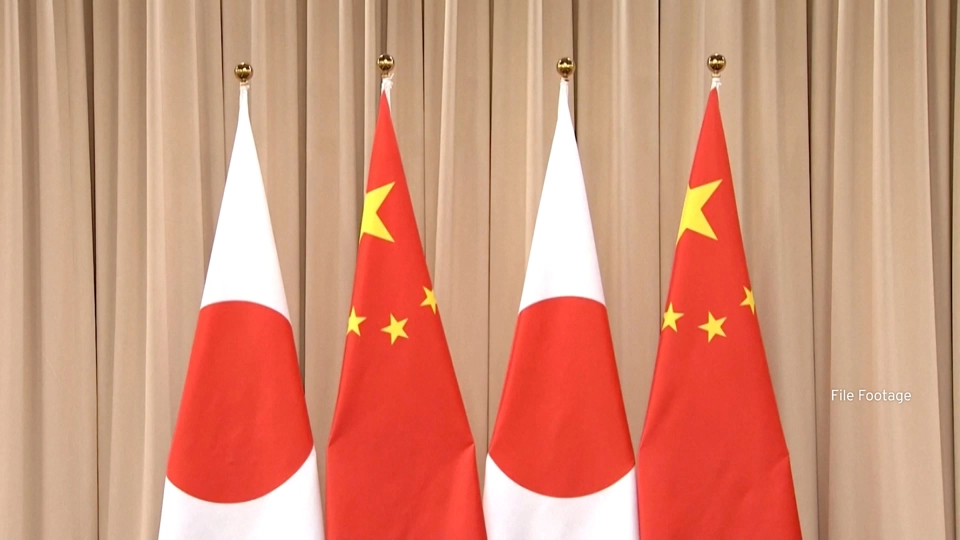
And how will she manage ties with her neighbors—especially China and the two Koreas, countries that still feel bitterness of past Japanese occupation. Will her strident nationalism create strain in the region?
Her visits, for example, to the controversial Yasukuni Shrine, which is the war memorial in Japan where a number of war criminals are also interred. This is going to make relations with China, South Korea, and other countries that were occupied by Japan more difficult.
But Takaichi sees things differently.
Takaichi Sanae (LDP LEADER):
Yasukuni Shrine is the main facility for honoring the spirits of soldiers dead in war, and a shrine dedicated to peace. As for how we honor the deceased and how we pray for peace, these are matters we will judge appropriately at the right time. This is absolutely not something that should be turned into a diplomatic issue.
REPORTER:
Then, there’s the issue of China’s threat to invade Taiwan.
Takaichi’s mentor, the late Prime Minister Abe Shinzo, was a notable supporter of Taiwan, once saying “a threat to Taiwan is a threat to Japan.”
On this front, she’s made her stance explicit, telling the Hudson Institute she wants dialogue with Chinese leaders, that Taiwan’s status quo shouldn’t be changed through force, and that issues of Taiwan need to be resolved peacefully through dialogue.
How big an impact Takaichi’s policies have will depend much or how long she stays in office.
Her role-model, Britain’s Margaret Thatcher, was prime minister for over a decade. But with the exception of Abe Shinzo, Japanese prime ministers have tended to come and go in recent years in what’s sometimes called a “revolving door.”
Even before she’s confirmed prime minister, though, think tanks and analysts are still grappling with what effect she might have on Japan and its place in the world.
Alex Chen and John Van Trieste for TaiwanPlus.
 03:39
03:39 02:15
02:15 03:07
03:07 03:25
03:25 03:01
03:01 00:42
00:42 00:30
00:30 02:42
02:42 02:54
02:54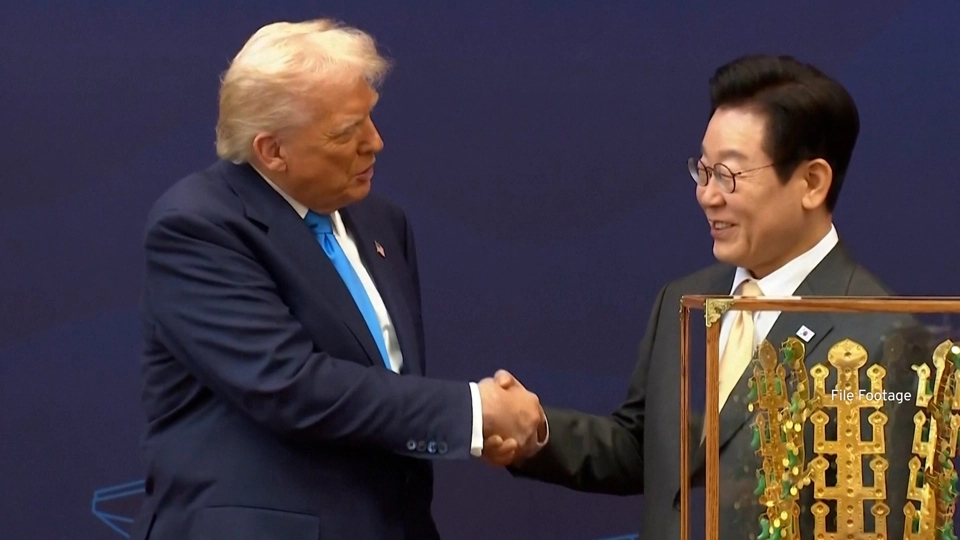 03:24
03:24 02:06
02:06 00:32
00:32 00:29
00:29 00:30
00:30 03:50
03:50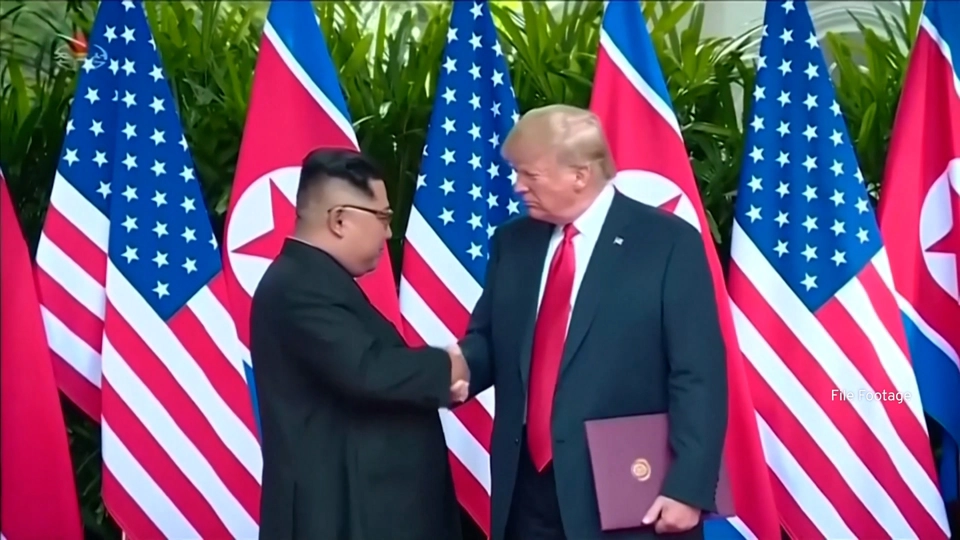 03:09
03:09