*This AI-generated summary is based on reporting by TaiwanPlus and verified by newsroom fact checkers. Learn more about our policy here.
Alishan's towering Taiwan Red Cypress trees, believed to be thousands of years old, are a popular draw for visitors. But beneath the forest canopy, there’s another thriving natural treasure, which the locals call “green gold”: wasabi.
Farmers like 70-year-old Chiang Chin-pin are working to revive its cultivation and preserve this cultural legacy.
“The unique environment in Alishan – the abundant primeval forest and the humidity in the air – enhance the flavor of the wasabi,” said Chiang, who has been involved in wasabi farming since his early twenties. “This is why we have been exporting it to Japan for 30 to 40 years.”
But there are challenges, too.
“Taking care of it is like taking care of a child,” said Chiang’s wife, Lin Chia-jung, who helps grow wasabi. “It can’t be too dry. It can’t be too wet. You need proper drainage, the right soil, and high-quality water.”
The root is harvested only once every three years during a narrow two-month window, making it a challenging but rewarding crop to grow.
Wasabi’s cultivation in Alishan faced setbacks when authorities began restricting its harvest in protected forest areas. This nearly ended the practice, but Chiang has partnered with local Indigenous farmers to experiment with growing the plant at lower altitudes where cultivation is permitted. The initiative, supported by the Chiayi County government, has shown promising results.
“We hope we can bring it back,” said Chiayi County Chief Weng Chang-liang. “This is Alishan’s signature crop. We want to restore it so that Taiwanese consumers can once again enjoy Alishan wasabi.”
Beyond traditional uses like pairing with sashimi or sushi, Alishan wasabi is being embraced in innovative ways. Visitors can sample wasabi juice, wasabi-flavored salt, and even wasabi ice cream.
What’s next?
In the next installment of "Where’s the Chiayi County Chief Taking Us?" the series will explore how a typhoon's impact has inspired a village to turn driftwood into violins.
 23:04
23:04 04:08
04:08 04:47
04:47 04:11
04:11 04:18
04:18 04:17
04:17 20:54
20:54 04:01
04:01 05:29
05:29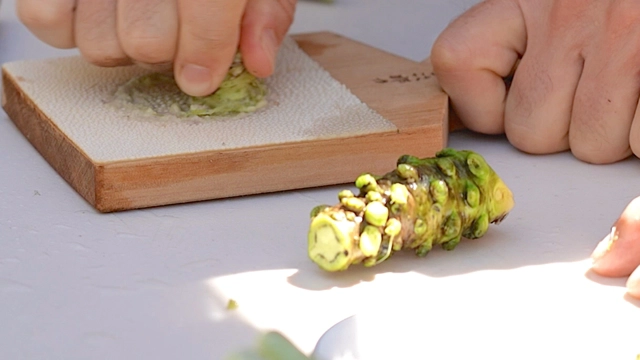 03:42
03:42 04:49
04:49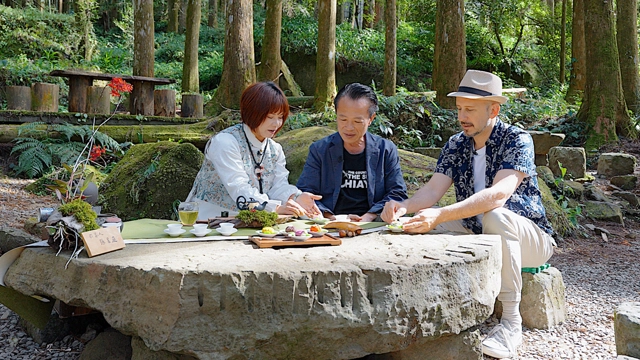 03:32
03:32 16:27
16:27 04:42
04:42 03:50
03:50 03:14
03:14