At a small farm nestled in the foothills of Taitung, traditional grains are making a quiet comeback. It’s part of a growing movement to revive Indigenous crops once pushed aside by modern agriculture.
I know that Indigenous people here in Taitung are working hard to protect the land.
Yes, what we’ve been working on these past few years is bringing back native species. Taiwan oil millet is one of our native crops.
A father and son duo in an Indigenous Bunun village are working the land passed down by their ancestors, hoping to reintroduce the plants that sustained their people for generations. Their first Taiwan oil millet seeds actually came from a millet researcher. They started from scratch and spent two years learning the crop from the ground up. Today, they have a field big enough to harvest.
We knew it was Taiwan oil millet, but... was it actually a traditional Bunun crop? We kept wondering until it grew seed heads. Then an elder from Luanshan (village) came by. He asked us to help him process some millet. When he saw it, he asked why we were growing this dill.
‘Yes, the Bunun used to grow this.’
‘And we used to eat it too.’
We were so grateful. It finally had a name in both Mandarin and the Bunun language.
Taiwan oil millet disappeared for nearly 60 years, pushed aside by modern eating habits, and the painstaking work it takes to process the grain. But as the father and son duo worked to bring it back, they discovered something remarkable: this endemic Taiwan crop is tough. It can handle heat, drought, pests and disease – making it surprisingly suitable to the world we live in today.
Linkav Ismahasan (FARMER):
Today, the environment is changing.
Rice might become impossible to grow and other crops too. Or if there’s a war, imports and exports could be cut off. And during the COVID outbreak transportation basically shut down. What do we do if there’s a food shortage?
That’s why we need to start planting it now and keep eating it, so we’ll always have seeds.
The nation’s top research body, Academia Sinica, says that Taiwan oil millet is packed with nutrients, a bonafide “superfood”. And now the government is working with local farmers to put it back on the table. They’re teaching people how to turn it into steamed buns and mix it with other traditional grains to make a hearty six-grain porridge. Even restaurants are starting to sprinkle it on their dishes for extra depth and texture.
In reviving this crop we’re not looking at it in terms of the price. We’re looking at the value of growing it again on this land. The cultural value and how it adapts to the climate and the value of biodiversity.
Across Taitung and now in parts of Pingtung, Taiwan oil millet is quietly returning to Indigenous fields. For the Ismahasan family, what began with a handful of seeds, has now grown into a thriving field. And in bringing back a lost crop, they’ve rebuilt not only their connection to the land, but also to a language, a culture, and the generations who walked this land before them.
Up ahead in part four, what do you do with the debris that washes up from the sea? We’ll meet some Indigenous creators who are transforming it into art.
Eason Chen, Hank Hsu, Pichi Chuang and Andrew Ryan for TaiwanPlus
 23:04
23:04 04:08
04:08 04:47
04:47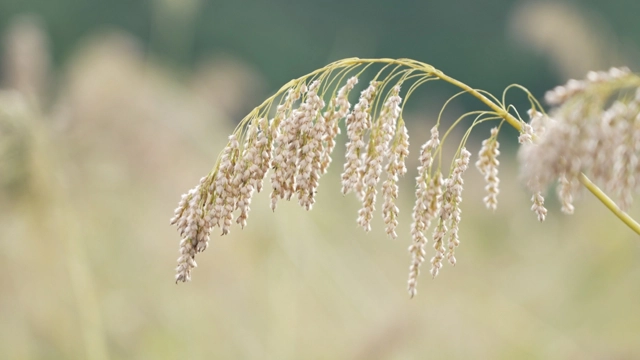 04:11
04:11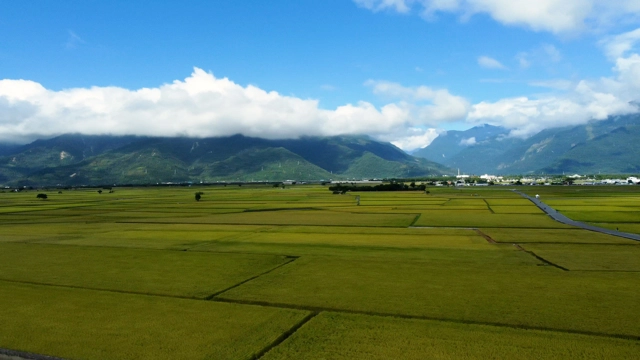 04:18
04:18 04:17
04:17 20:54
20:54 04:01
04:01 05:29
05:29 03:42
03:42 04:49
04:49 03:32
03:32 16:27
16:27 04:42
04:42 03:50
03:50 03:14
03:14