Taitung has one of the highest concentrations of Indigenous people of any county in Taiwan. About a third of the population comes from one of the nation’s 16 officially recognized peoples.
Amis villages up and down the east coast take turns hosting their festivals – each with traditions of their own. Other Indigenous peoples– like the Pinuyumayan – have hunting festivals. The village of Puyuma holds theirs at the end of the year. Newly initiated young men go from house to house, singing and dancing through the night until the sun rises on January 1st.
Everywhere you look in Taitung. there are reminders of the county’s Indigenous roots. And today, a new generation of Indigenous creators is coming up with unique solutions to local problems.
This giant whale has become a landmark in the seaside town of Chenggong. but look a little closer, and you’ll see that it’s actually made from discarded fishing nets.
Every year, tons of debris like this washes up along Taitung’s shores. And instead of throwing it away, an Amis collective is giving it a second life.
Kacaw Ya-ming Kuo (CEO, Canaan Hayi Marine Waste Creation Base):
We hope this educational program can plant a seed, a seed of awareness and action, that can spread to schools and communities everywhere so children will care and understand what we should do and how to protect it.
Up the coast in Donghe, an Indigenous Bunun artist takes a different approach to dealing with sea debris by giving visitors a hands-on experience.
It starts with a beach cleanup – a treasure hunt of sorts. We find things like bottle caps, bits of rope, and even a toothbrush and fishing net floats.
We need to wash and sort our haul, so we bring it back to the studio, which doubles as an Indigenous-themed bakery.
Neqou Soqluman (UVAZ TAHTUNG STUDIO):
We’re going to take this trash and use it to dye fabric.
You can choose from the debris we collected and then use your creativity to make something.
With these creations, you can’t really predict how they’ll turn out.
Andrew Ryan (TAIWANPLUS REPORTER):
So you have to learn to let go?
Neqou Soqluman (UVAZ TAHTUNG STUDIO):
Yes – when you come to Taitung, don’t set preconditions.
When you come here, you have to go with the flow.
These deep-blue creations, dyed with plant-based pigments, make the perfect souvenir from our trip to Taitung. For visitors, the experience is about more than just picking up trash. it’s a chance to slow down, meet the people here, and see the coastline through their eyes.
And for nearby residents, leading a tie-dye workshop offers a way to earn a little extra income while sharing an important message.
Neqou Soqluman (UVAZ TAHTUNG STUDIO):
When I see trash on the beach, I can pick it up.
And when I pick it up, I can turn it into art.
And I can tell people about the trash in the ocean.
So why don’t we work together to clean it up?
It’s for the greater good – for both people and the environment
Once the fabric is dyed, we hang it out to dry, and that’s when the color really comes to life. The locals call it “Taitung Blue.” Wrapped in a giant leaf, it’s ready to take home.
Uvaz Tahtung Studio has found a way to put sea debris to good use — proving that in Taitung, even what’s been thrown away can come back with purpose.
Coming up in the fifth and final part of our series. we found out why Taitung is making a name for itself as a destination for digital nomads. Plus, we’ll visit one of the most remote independent bookstores in the country.
Eason Chen, Hank Hsu, Pichi Chuang and Andrew Ryan for TaiwanPlus
 04:01
04:01 00:45
00:45 01:01
01:01 01:45
01:45 01:25
01:25 00:50
00:50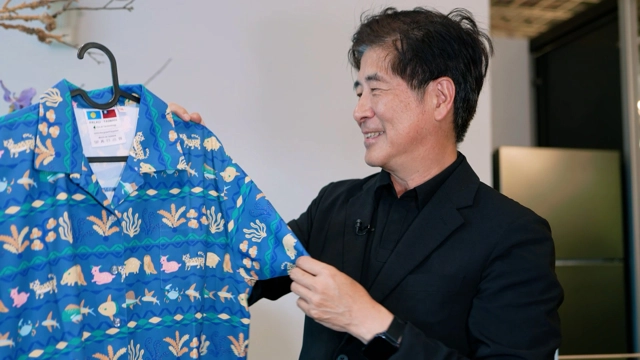 03:40
03:40 00:40
00:40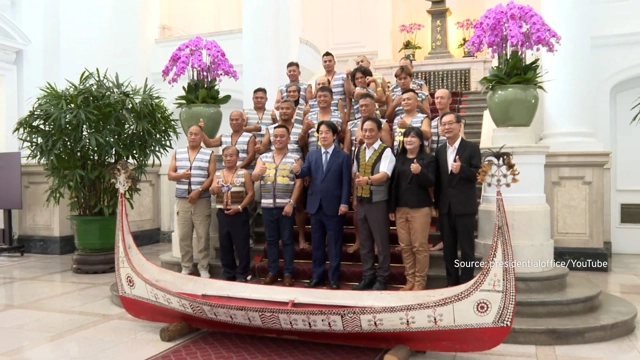 00:54
00:54 03:44
03:44 04:27
04:27 02:03
02:03 02:03
02:03 00:27
00:27 02:09
02:09 02:30
02:30