*This AI-generated summary is based on reporting by TaiwanPlus and verified by newsroom fact checkers. Learn more about our policy here.
Taiwan’s Computex 2025 Showcases Future of Edge AI, Cementing the Country's Central Role in Global Chipmaking
The future of artificial intelligence may not need to rely so much the internet. That’s one of the standout themes at Computex Taipei 2025, where tech companies are showcasing a shift from cloud-based AI to hybrid or “edge AI” — processing data locally on smaller, more powerful devices. The move promises faster, more secure computing and reaffirms Taiwan’s critical role in global tech supply chains.
At this year’s show, companies showed off products from AI assistants that help with live streams and home renovations to compact AI computers that fit in your hand. These aren’t just novelties; they reflect a major shift in where and how AI runs.
“We’re seeing the distribution of AI moving not out of the cloud, but expanding to the edge and to desktop and laptops,” said Olivier Blanchard of the Futurum Group. “Being able to do AI workloads and do training locally...kind of changes the game.”
The trend toward hybrid and edge AI means training and running AI models no longer requires massive data centers. Instead, businesses and even individuals can now leverage this technology at their desks.
Security and speed are big reasons behind the shift. Running AI locally reduces the risk of data breaches and shortens the feedback loop for tasks like medical research and climate modeling. “This is going to be an exciting time because this is when AI becomes super useful,” said Rob Herman of Lenovo. “Whether it's curing cancer or trying to solve climate change.”
Herman also predicts a future where training AI models on smartphones will become a reality, thanks to more efficient algorithms and ever-improving chip performance.
That brings the spotlight back to Taiwan, home of Taiwan Semiconductor Manufacturing Co. (TSMC), which produces the majority of the world’s leading AI chips. The demand is so high that TSMC is still working to ramp up capacity.
“TSMC is still...ramping up all these plants to get that back into sync or to meet that demand,” said Dan Nystedt of TriOrient Investments.
Despite some concerns of diversifying supply chains away from Taiwan following the passage of the U.S. CHIPS Act and Donald Trump's tariff plan, the industry is doubling down on Taiwan. At Computex, Nvidia announced further investment in the country, including a new “Constellation” office in Taipei. The company’s needs are massive, supplying AI chips by the tens of thousands to nations around the globe — including Taiwan.
“There are a lot of themes going on at Computex this year,” said Blanchard. “One of them is obviously the sort of resurgence of Taiwan… where the chip industry is, not planting its flag, but maybe replanting it, cementing it... that sort of signal that Taiwan is still very much at the center of this and matters a lot.”
As AI becomes more embedded in everyday life, Computex 2025 shows a world where the future is smaller, faster and undeniably made in Taiwan.
 00:52
00:52 00:35
00:35 01:50
01:50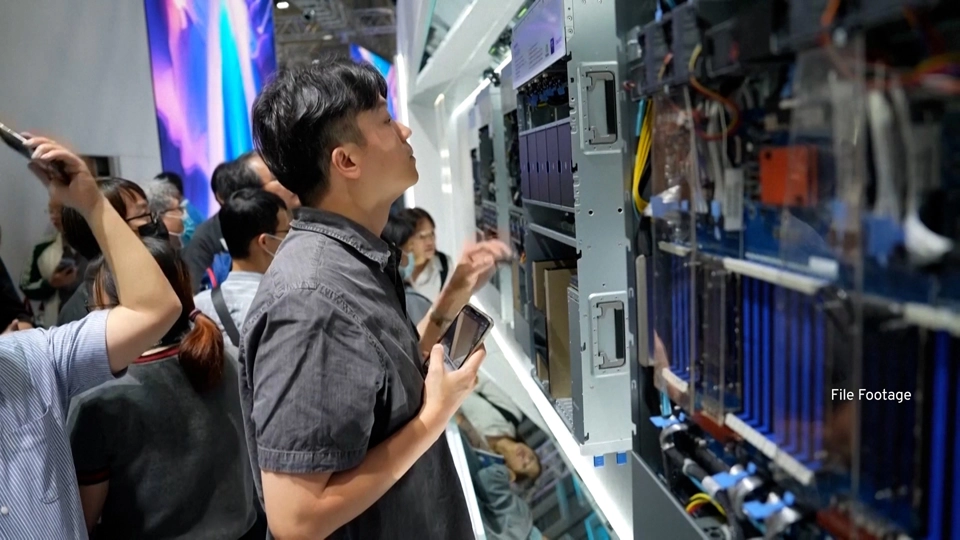 00:33
00:33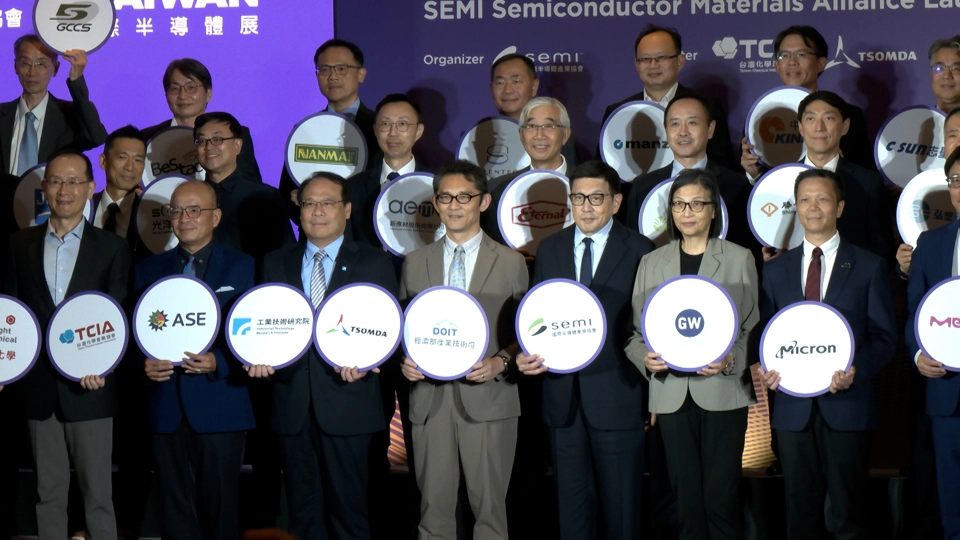 01:03
01:03 01:02
01:02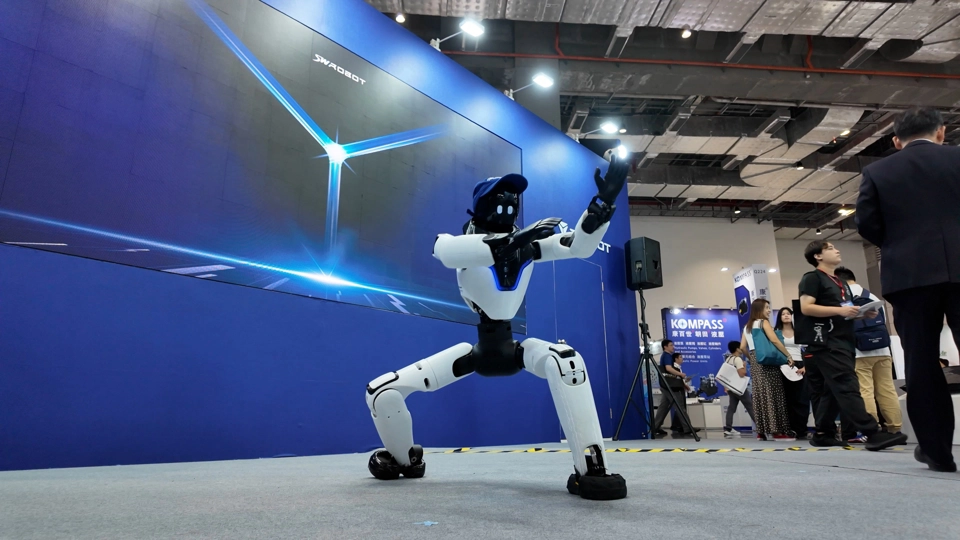 02:16
02:16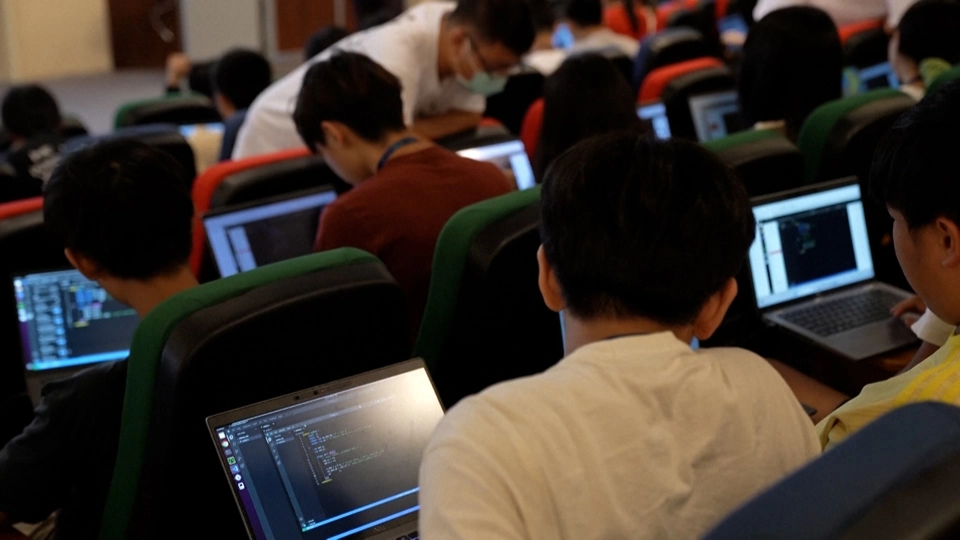 02:53
02:53 04:46
04:46 01:56
01:56 03:16
03:16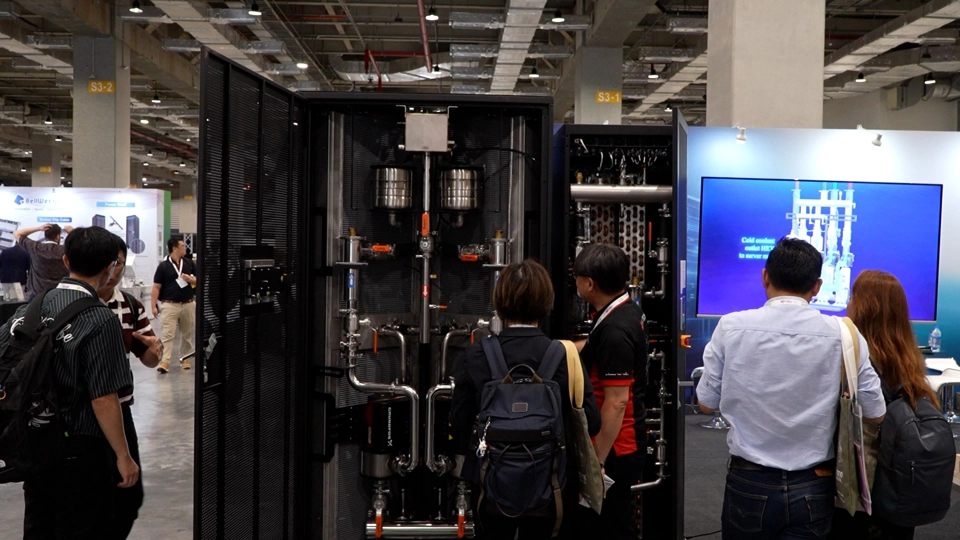 02:09
02:09 00:47
00:47 48:00
48:00 03:38
03:38 00:36
00:36