REPORTER:
Taiwan is facing a new round of tariffs, as Washington looks for new legal tools to keep up the tariff pressure on its trading partners, after the Supreme Court STRUCK DOWN Trump's global tariffs earlier this year.
REPORTER:
In response, Trump FIRST imposed a 10% GLOBAL TARIFF under SECTION 122, a US law that allows the president to QUICKLY APPLY TEMPORARY LEVIES.
But those tariffs can only last 150 days and just expired on Friday.
Now, the administration is turning to SECTION 301, a trade law typically used to address unfair trade practices.
The US used it to investigate countries it SAYS failed to PREVENT IMPORTS LINKED TO FORCED LABOR.
REPORTER:
But a KEY DIFFERENCE is these NEW measures are more DURABLE – they DO NOT have an EXPIRATION DATE and are MORE DIFFICULT TO CHALLENGE IN COURT.
These NEW TARIFFS RANGE from 10% to 12.5%.
Taiwan is getting the LOWEST 10% because of a PREVIOUS COMMITMENT to prevent FORCED-LABOR GOODS in the TAIWAN-US TRADE AGREEMENT signed in FEBRUARY.
REPORTER:
Taiwan's Vice Premier UNIDENTIFIED PERSON says the 10% TARIFF RATE shows the US recognizes Taiwan's EFFORTS to prevent goods made with forced labor from reaching its borders.
ECONOMISTS say that Taiwan is actually getting PREFERENTIAL TREATMENT compared with some of its regional neighbors.
Chang Chien-yi (PRESIDENT, TIER):
Under Section 301, Taiwan’s rate is 10%
but countries like Japan and China face higher rates.
Both Japan and China get 12.5%.
So compared with its competitors Taiwan's rate is relatively lower
and these tariffs were already in place.
REPORTER:
However, there are still some important questions ahead.
The US has yet to release the results of another SECTION 301 investigation into STRUCTURAL OVERCAPACITY — which could mean additional tariffs.
REPORTER:
Nevertheless, Taiwan says it will keep working closely with the US side to PROTECT THE TERMS it secured through its ORIGINAL TRADE DEAL.
 04:54
04:54 01:56
01:56 00:35
00:35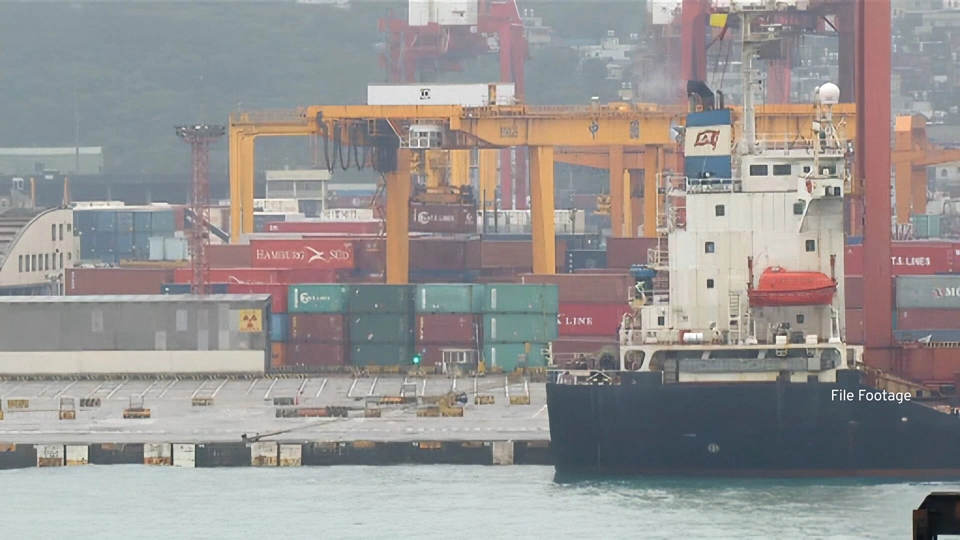 00:41
00:41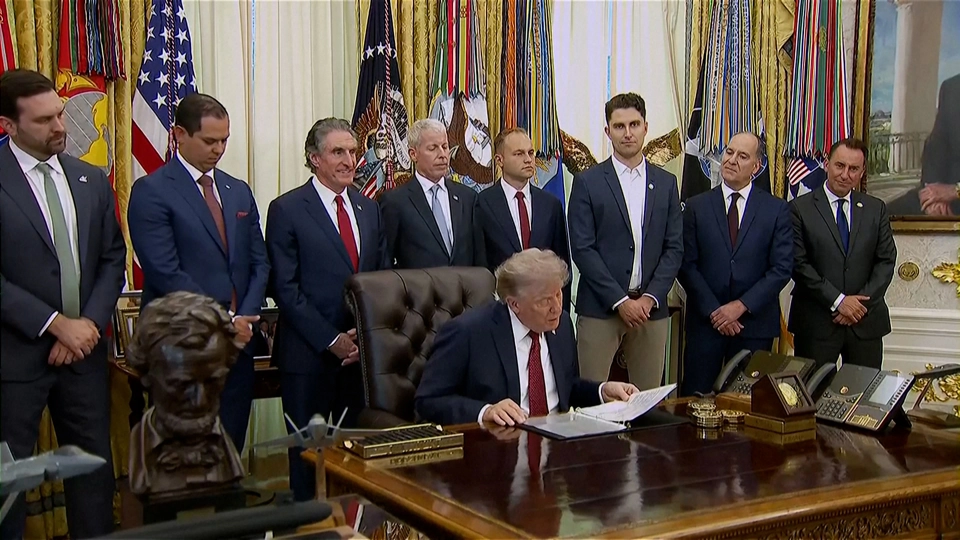 03:30
03:30 01:41
01:41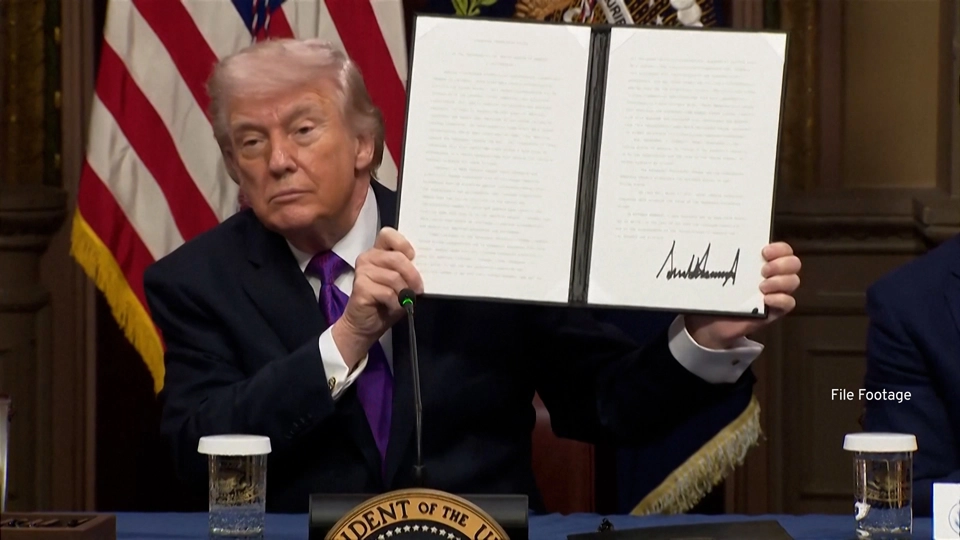 01:51
01:51 00:26
00:26 04:26
04:26 00:38
00:38 07:21
07:21 02:00
02:00 01:52
01:52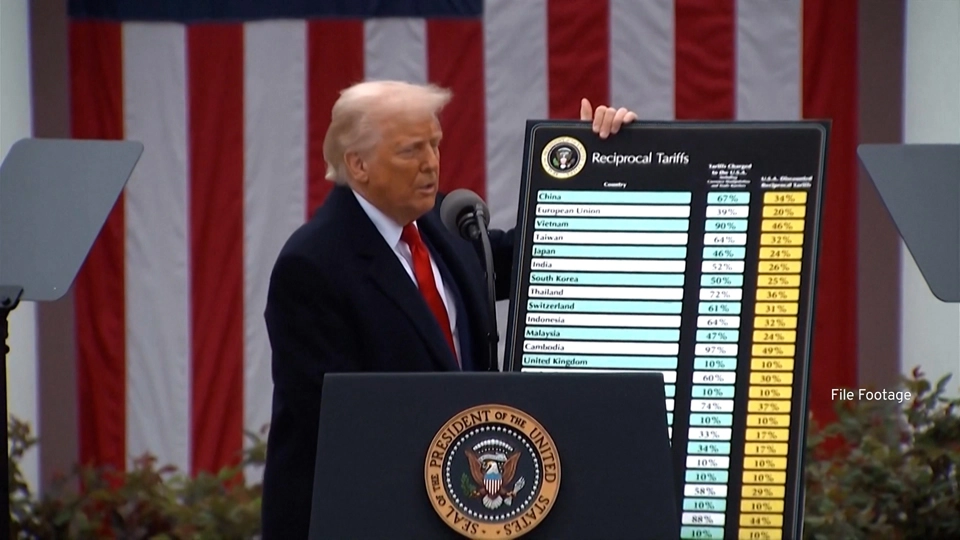 03:34
03:34 02:16
02:16 01:48
01:48