US Adds Taiwan to Forced Labor Trade Investigation List
By Luffy Li/Lily LaMattina
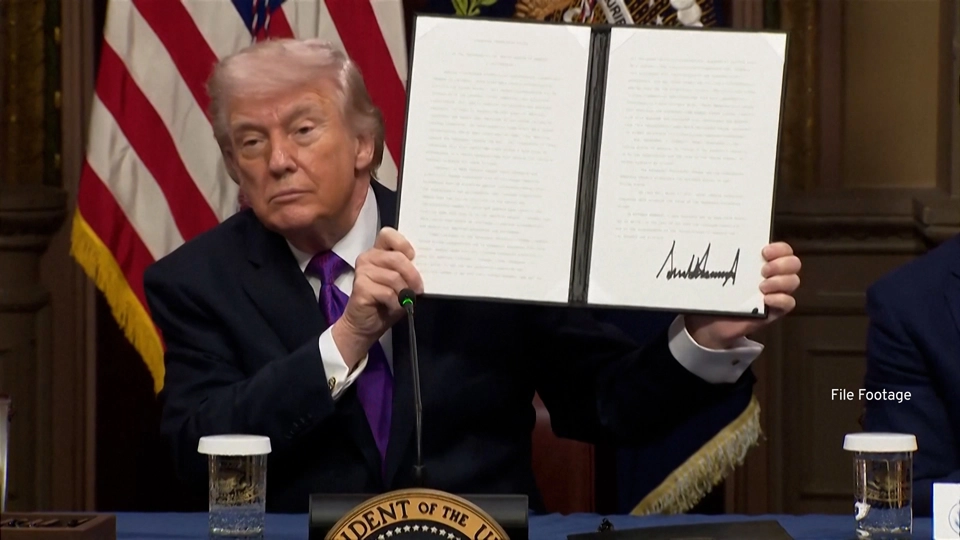
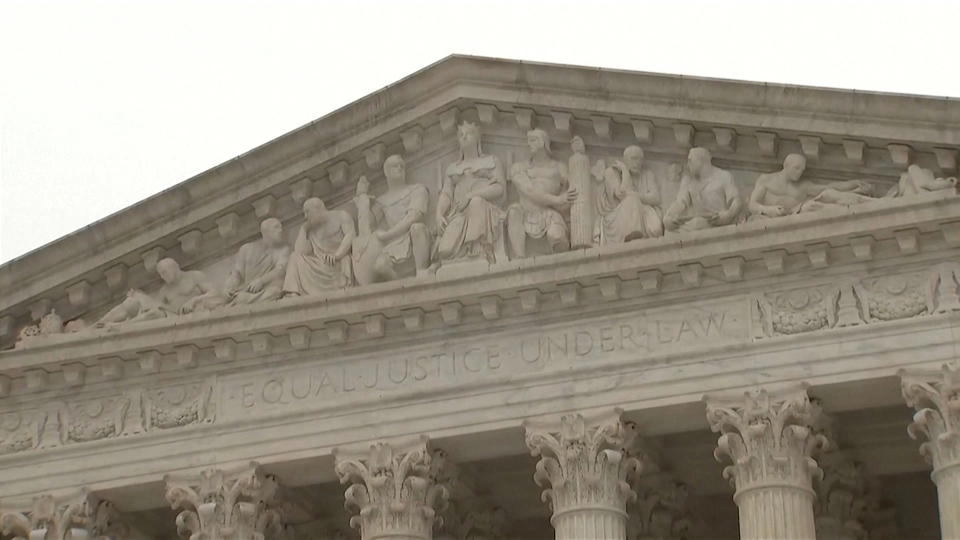
The US has launched new trade investigations into 60 economies, including Taiwan, over alleged failures to prevent forced labor. The move comes as the Trump administration looks for new legal avenues to maintain tariff pressure after the Supreme Court struck down its earlier "reciprocal" tariffs.
REPORTER:
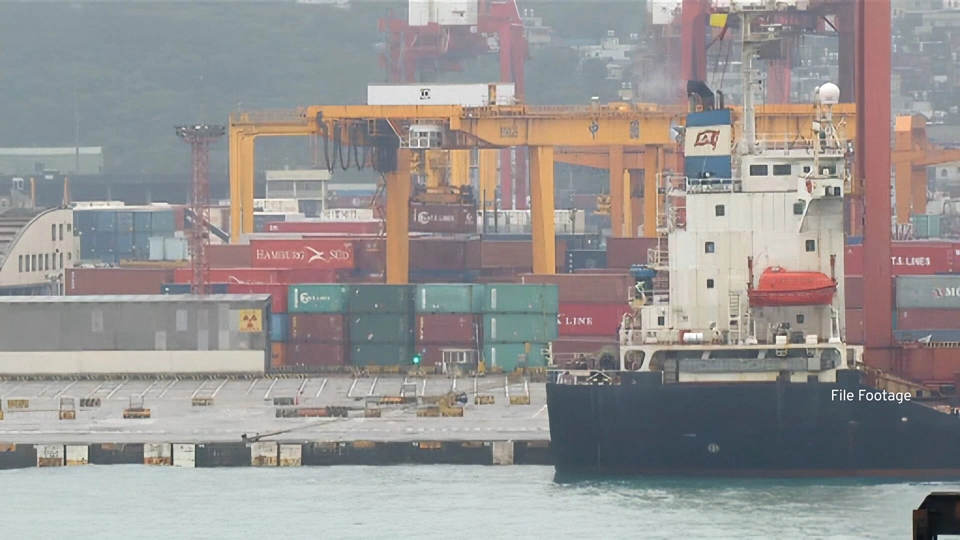
Under a law known as SECTION 301, the US is targeting 60 economies, including some of its major trade partners and allies, which means they could face potential tariffs or trade restrictions.
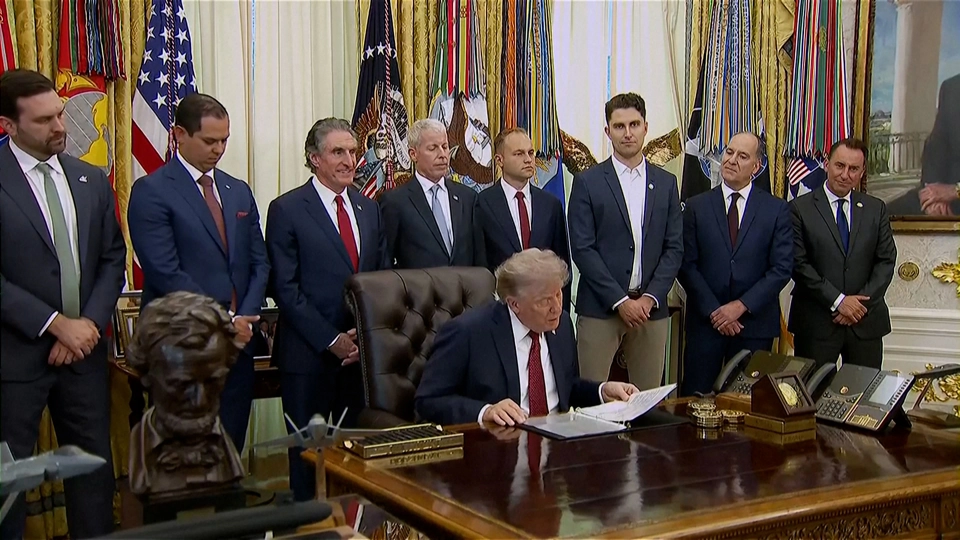
US Trade Representative Jamieson Greer says the investigations will look into whether the listed countries have done enough to ban the importation of goods produced with forced labor, and the impact on US businesses and workers.
REPORTER:
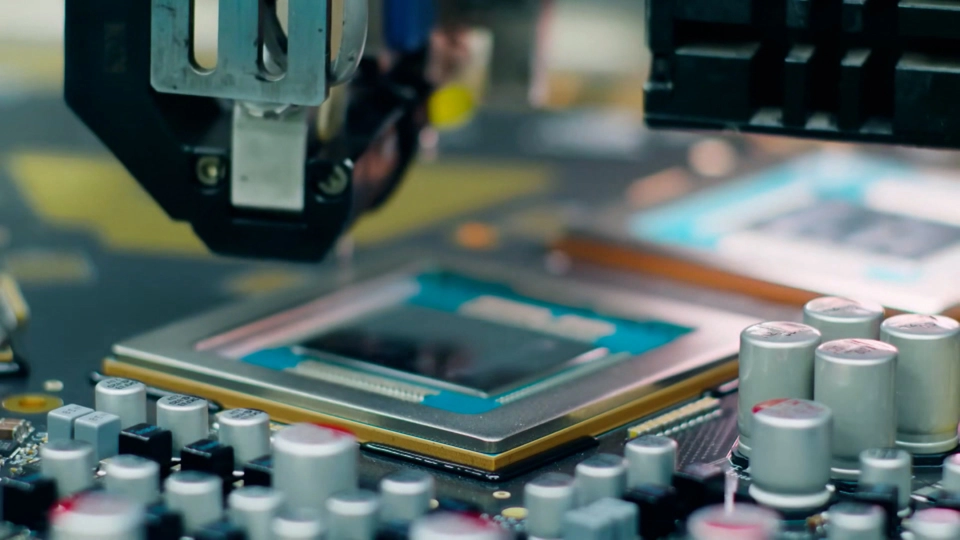
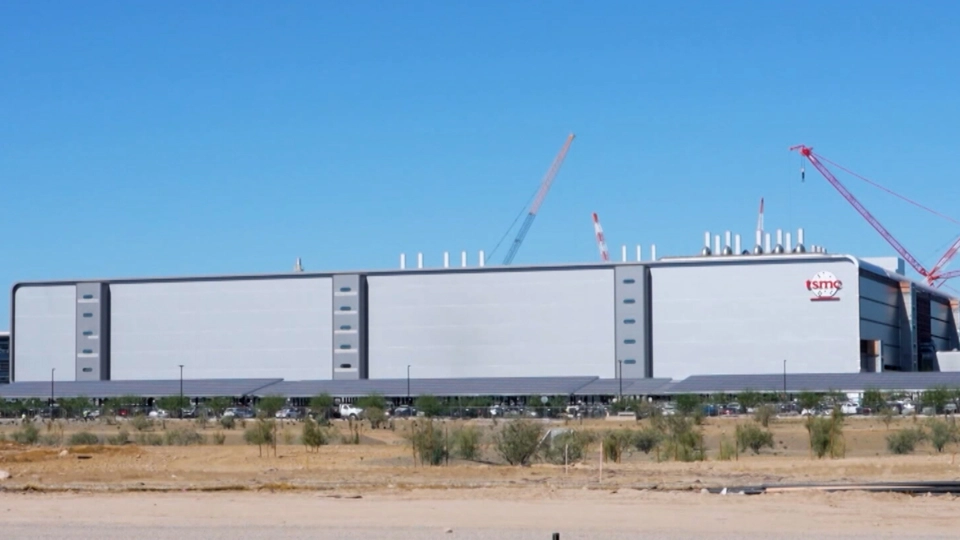
This comes after US on Wednesday announced trade probes into 16 economies over what it called “unfair trade practices.” Taiwan was also on that list due to its large trade surplus with the US, especially in semiconductors and tech products.
REPORTER:
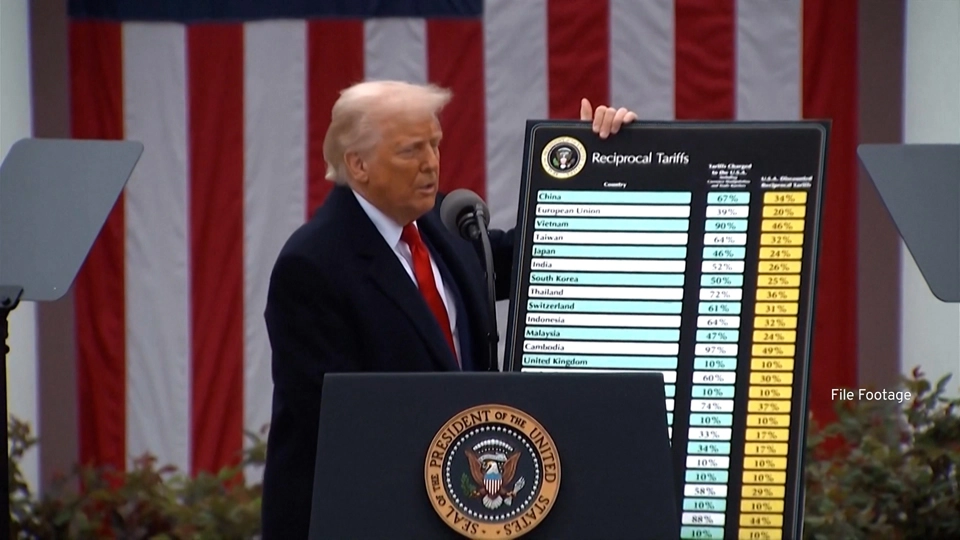
This is ALL part of the Trump administration’s push to RESTORE tariffs after the Supreme Court STRUCK them down in February. After the court ruling, the U.S. imposed a temporary 10% global tariff, which expires within 150 days. The investigations are meant to REPLACE those temporary tariffs expiring soon to keep up the tariff pressure on countries.
REPORTER:
This is not the first time Taiwan has faced investigations into forced labor. In September last year, U.S. Customs and Border Protection investigated Giant Manufacturing, one of Taiwan’s largest bicycle manufacturers. In February, Taiwan’s labor ministry released guidelines in February to help businesses prevent forced labor.
REPORTER:
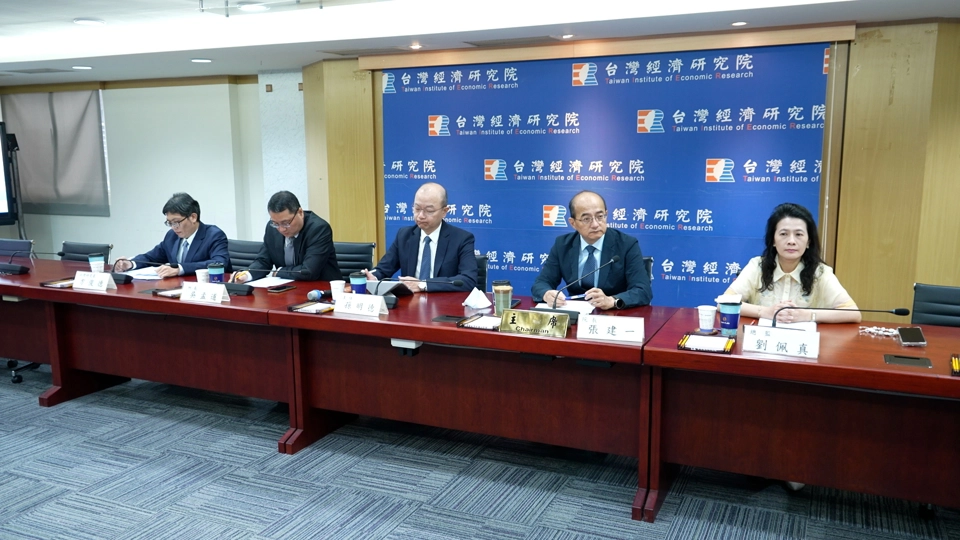
Responding to the new probe, Taiwan's Cabinet stressed the country’s commitment to international labor standards. The Cabinet says its recent trade agreement with the US already includes pledges to prevent forced labor, and it doesn’t think the investigation will affect that deal. Still, the US probe signals a broader, more aggressive approach to trade compliance and a continuation of tariff pressure.