US Trade Tariffs Likely for Taiwan
REPORTER:
The US Trade Representative has hinted that another round of tariffs is on the way for countries including Taiwan.
Jamieson Greer (US TRADE REPRESENTATIVE):
We expect to see some action soon. I don't really I can't really specify a timeline right now. I have a responsibility to to brief Congress and other stakeholders before I really reveal that kind of thing. But we do expect action soon.
REPORTER:
The US Trade Representative’s office in June proposed tariffs of up to 12.5 percent on around 60 economies in response to alleged forced labor practices. The US Supreme Court in February struck down the administration’s current global tariffs which are set to expire on Friday.
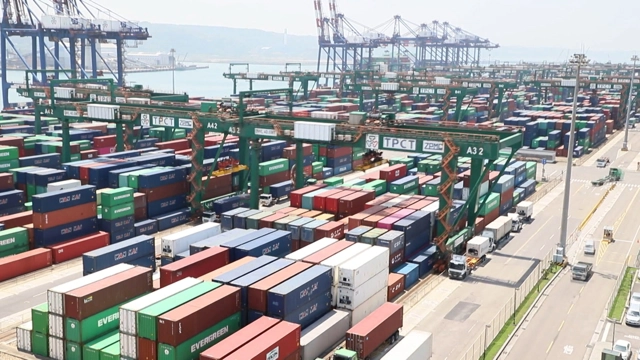
Taiwan Braces for New Tariffs
---
REPORTER:
Why is Taiwan on this list of 60 countries facing Trump’s new tariff tool?
Darson Chiu (DIRECTOR-GENERAL, CACCI):
The Trump administration has turned to Section 301 of the Trade Act of 1974. Citing forced labor as the reason, it is investigating 60 countries worldwide. Why use the Trade Act of 1974? During Trump's first term, before Biden was in power, he used Section 301 under the Trade Act of 1974 to raise tariffs on China. But why did Trump, in his second term, turn instead to the International Emergency Economic Powers Act? Because a Section 301 investigation takes longer and after the investigation, public hearings must also be held. So it takes more time. Trump wanted to speed up his tariff measures so that’s why in his second term, he used a different legal basis. But that legal basis has now been challenged in court. So he went back to using Section 301 under the Trade Act of 1974. This is less likely to face legal challenges. That's why he is using this provision.
REPORTER:
How should Taiwan prepare for the potential economic impact of higher US tariffs?
Darson Chiu (DIRECTOR-GENERAL, CACCI):
Now, even with a Section 301 investigation, during the investigation, because Taiwan signed an Agreement on Reciprocal Trade (ART) with the US in February, the US Trade Representative’s office recommends keeping Taiwan's tariffs at 10%. There are some countries, because they have not completed ART talks with the US, such as Japan and South Korea, which have similar trade structures to Taiwan, that could face higher tariffs. That could be around 25% plus Most-Favored-Nation rate. So, in fact, not only would Taiwan not face higher tariff barriers under Section 301, but because our neighbors face higher tariffs, our exports could instead gain some price competitiveness.
REPORTER:
Given the US’s heavy reliance on Taiwanese technology and semiconductors, could that help shield Taiwan from some of the impact?
Darson Chiu (DIRECTOR-GENERAL, CACCI):
Taiwan's government and businesses have already made plans to invest in the US. Recently, for example, last week, TSMC's earnings call also announced plans to increase US investment. Because the US relies on Taiwan's high-tech products and these companies investing in the US are at the heart of the Trump administration's industrial policy, I therefore believe that on this basis, the tariff pressure on Taiwan will not be greater than that faced by other countries. In fact, if we negotiate well with the US, we may even secure some exemptions.
 00:33
00:33 01:38
01:38 00:40
00:40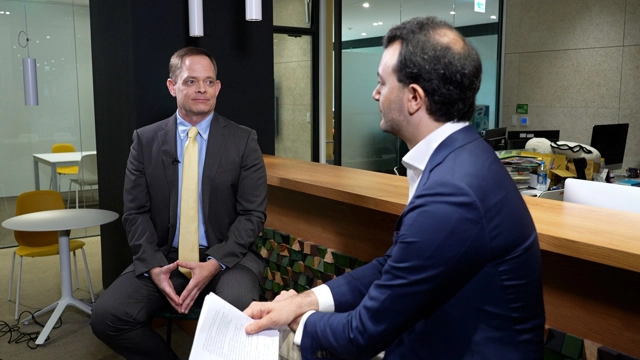 05:19
05:19 00:54
00:54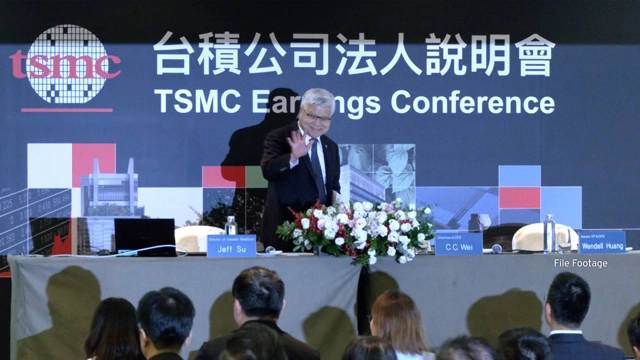 02:11
02:11 00:20
00:20 03:32
03:32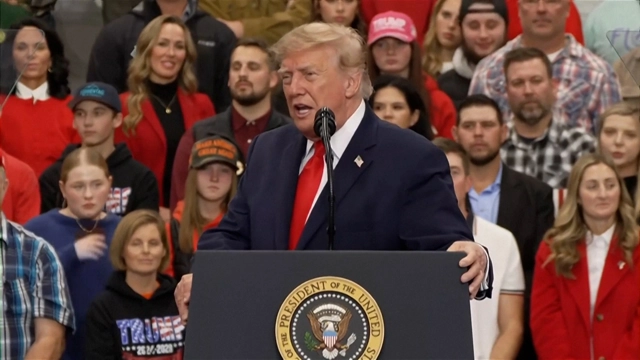 01:53
01:53 00:25
00:25 03:40
03:40 01:03
01:03 03:16
03:16 00:30
00:30 00:33
00:33 01:49
01:49