Taiwan Says No Renegotiating Trade Deal After US Tariff Ruling
By Justin Wu/Lily LaMattina
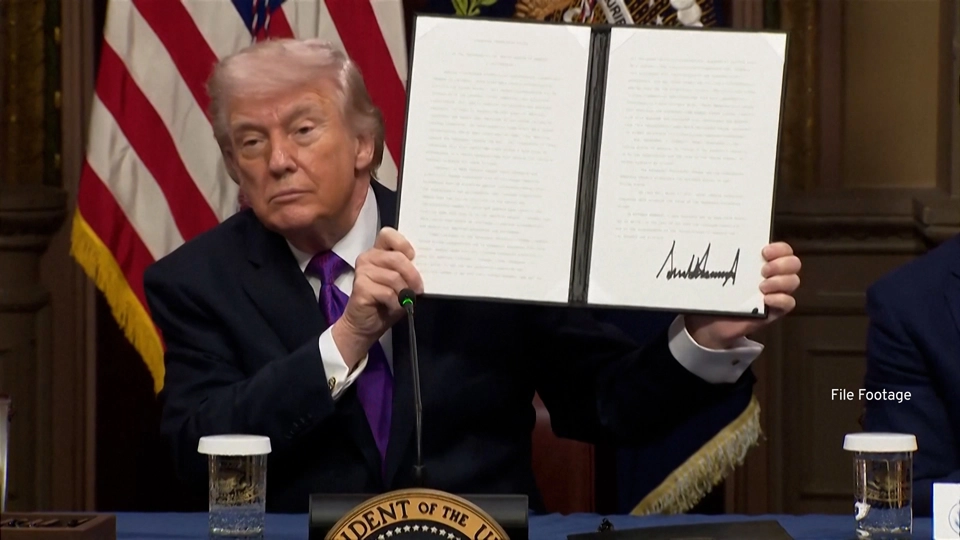
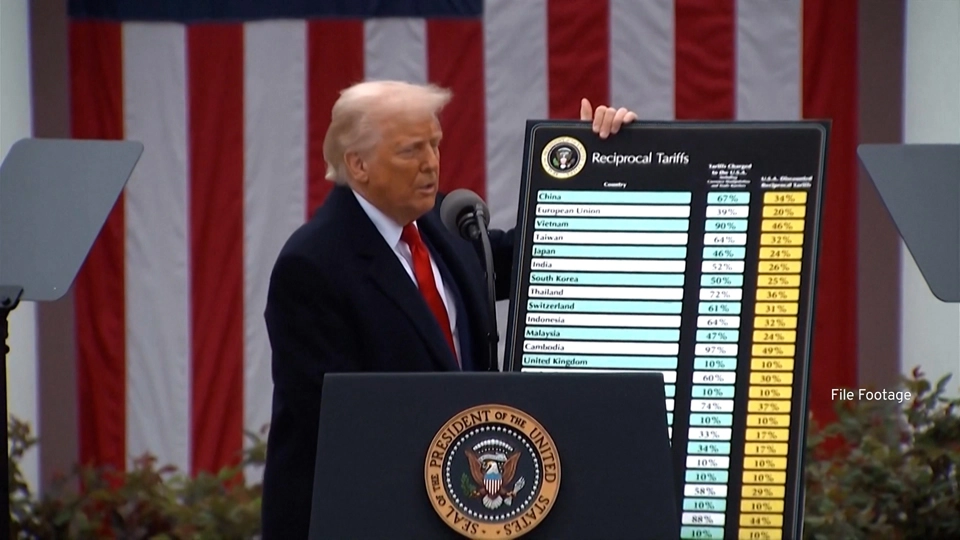
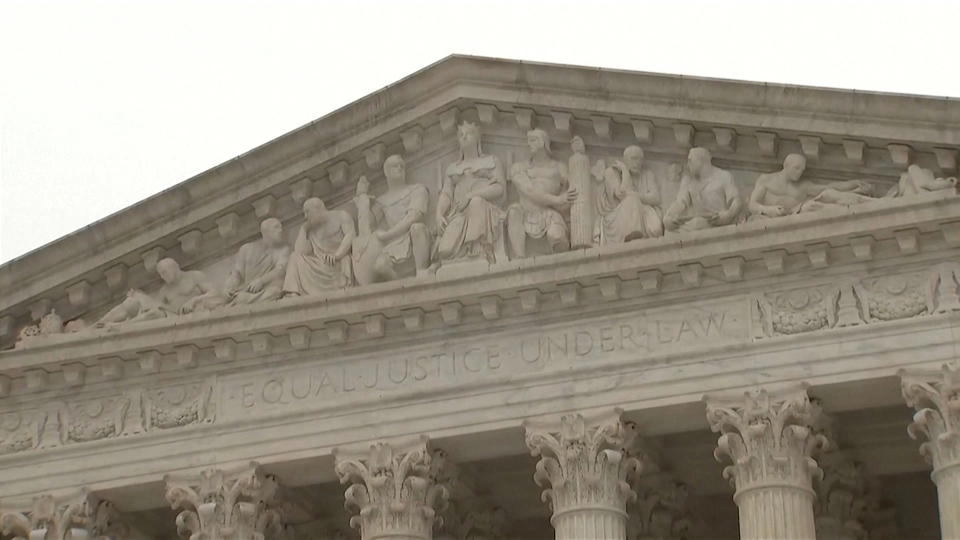
Taiwan's government has confirmed it is standing by its trade deal with the US after a landmark US Supreme Court decision that overturned US President Donald Trump’s sweeping "liberation day" tariffs. Whether the trade agreement gets ratified is now a question for Taiwan’s lawmakers.
REPORTER:
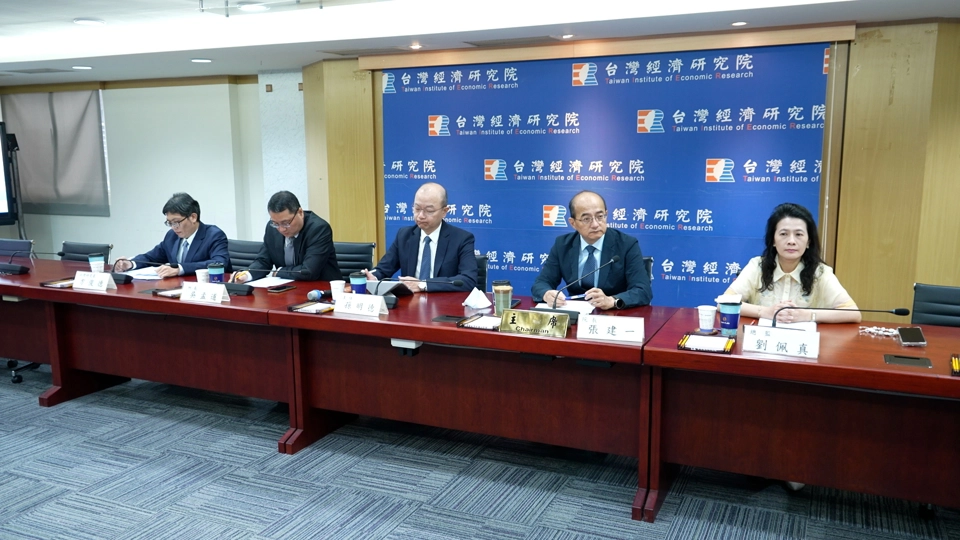
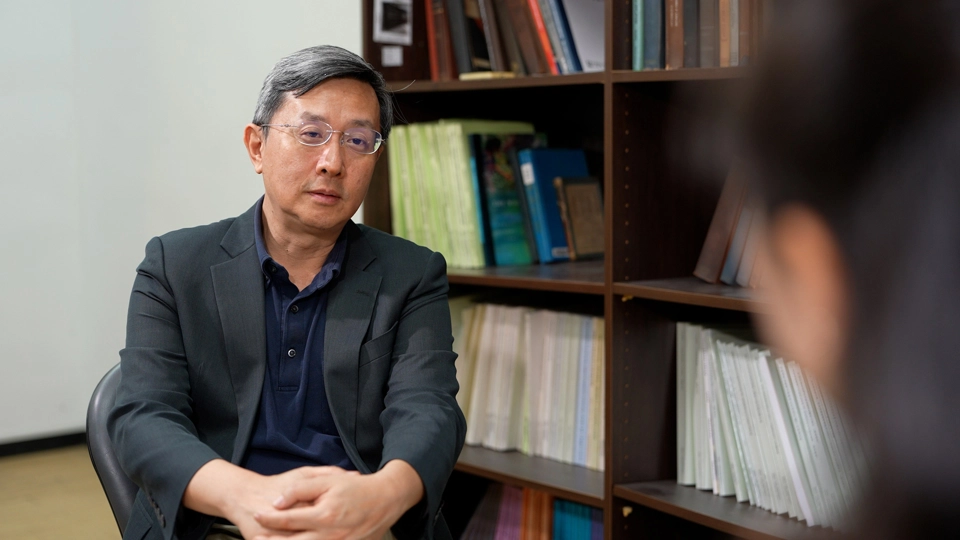
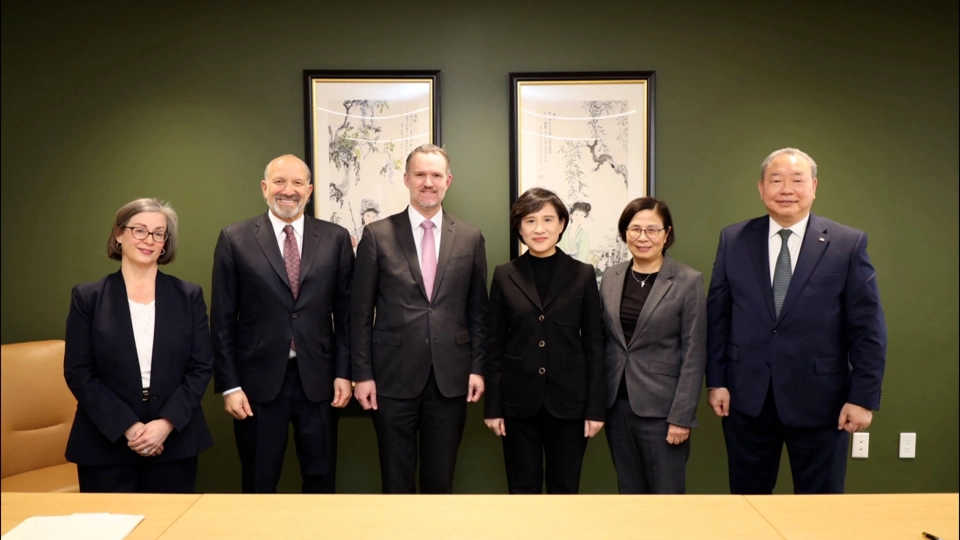
Taiwan's government has confirmed it is standing by its trade deal with the US, after a landmark US Supreme Court decision that overturned US President Donald Trump’s sweeping tariffs. That’s according to the Taiwan's vice premier who led the negotiations.
TAIWAN VICE PREMIER:
I want to reassure the people
that the government's core objective remains unchanged.
Regardless of changes in US tariff policy
we will actively communicate with the US
building upon the preferential treatment
secured under the signed reciprocal trade agreements
to ensure the relative advantage
and best treatment of Taiwanese industries
and to maximize the interests of national industries.
REPORTER:
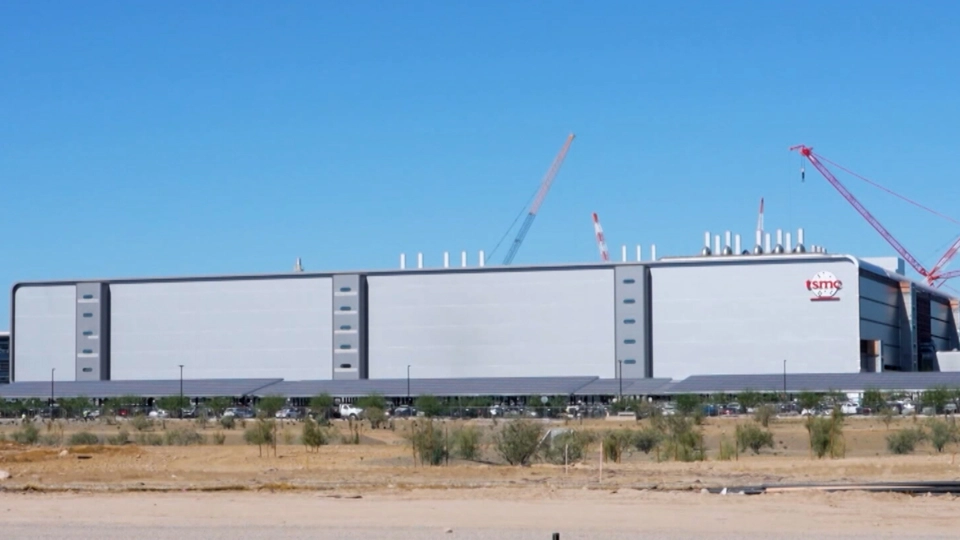
Under the deal, the US agreed to lower Taiwan’s tariffs to 15% with no stacking, and Taiwan committed to over $500 billion US dollars in US-based investments, purchases, and loans.
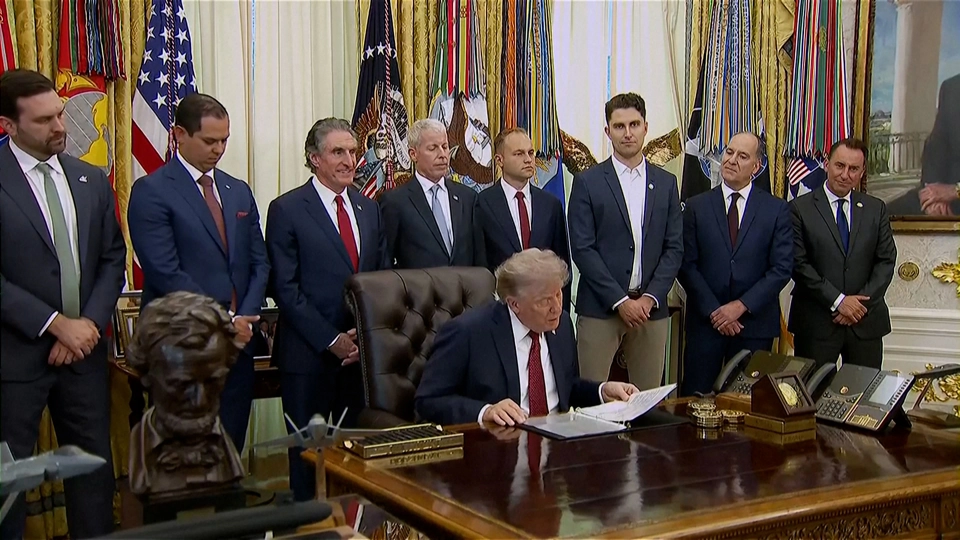
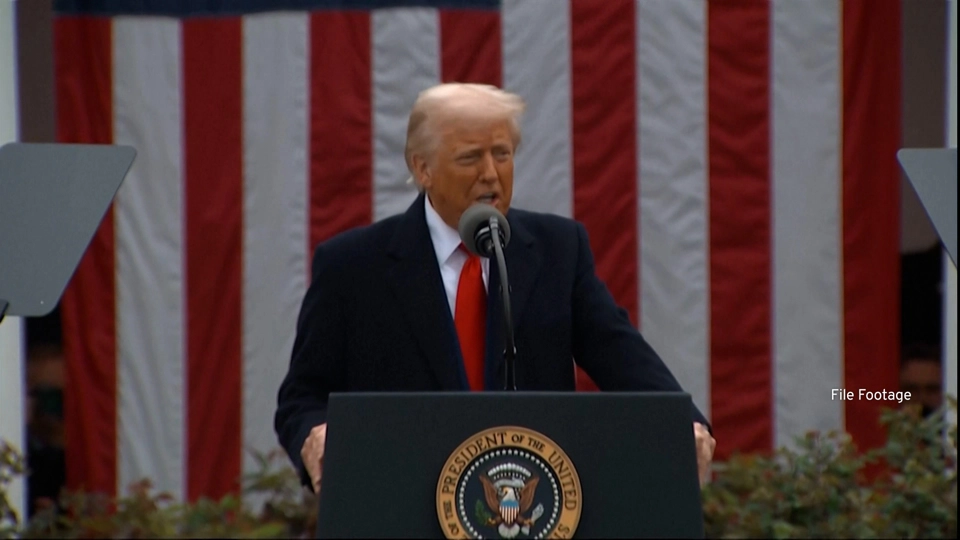
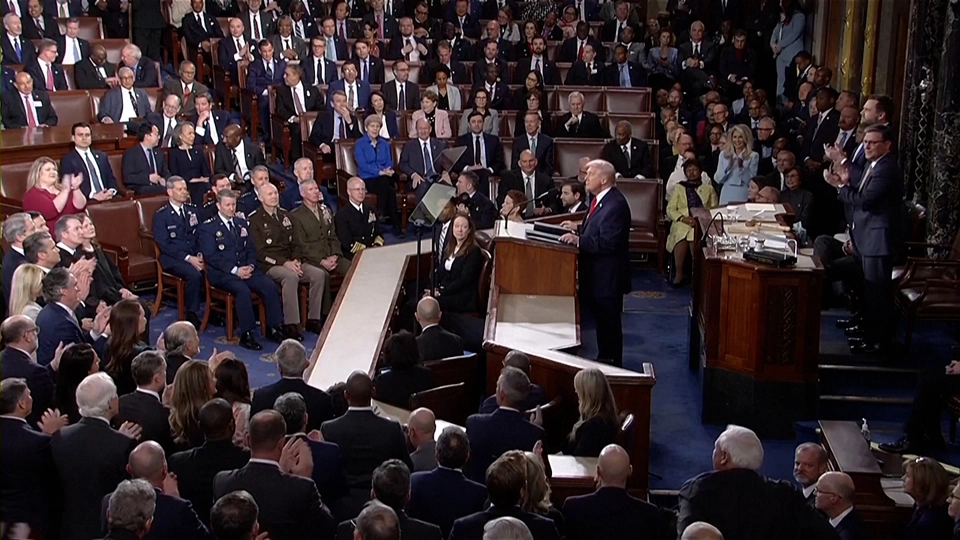
Despite the court ruling, Cheng says that the direction of US tariff policies will continue. Trump has already issued new global 15% tariffs under a new legal authority. He later warned countries against backing away from recently negotiated trade deals, threatening to hit them with higher duties under different trade laws.
REPORTER:
Meanwhile, some lawmakers in Taiwan’s opposition parties are calling to renegotiate the Taiwan-US trade deal or at least delay the review in the legislature.
KMT CAUCUS WHIP:
To not renegotiate
faced with 15% and stacking
Taiwan’s non-IT industries
and those outside Section 232
where will Taiwan’s industries go from here?
REPORTER:
Lawmakers have just returned to work after the Lunar New Year holiday, with the government pushing for the trade deal to be approved.
REPORTER:
Whether the agreement gets passed, given the changes in US trade policy, is now a question for Taiwan’s lawmakers.