Taiwan and US Sign Bilateral Trade Deal
REPORTER:
US ground beef and pork could be hitting Taiwan’s supermarket shelves soon. This comes after years of banning imports over concerns like Mad Cow disease and controversial food additives like ractopamine in pork. But authorities say they will uphold only the highest standards.
Tsai Shu-chen (FOOD AND DRUG ADMINISTRATION):
On ractopamine, our current standards have a limit of 0.01PPM for beef, and this only applies to muscle meat. In the future, we’ll also establish standards for liver and kidney meat. As the vice-premier pointed out, we will align with international standards in principle but we will also conduct scientific assessments based on the dietary habits of our citizens.
REPORTER:
Taiwan’s Food and Drug Administration says it will convene experts for review and submit a proposal to finalize standards. Industry officials are pushing for the government to include country-of-origin labels to help consumers.
Additionally, opposition lawmakers have raised concerns about how these new imports may undercut local producers. Ruling party lawmakers say these fears are overblown.
Chung Chia-pin (LAWMAKER, DPP):
US pork competes with Canadian pork. US milk likely competes with milk from New Zealand. These products have already been imported. Therefore, we urge the opposition parties to allow the agreement to enter the Legislative Yuan for review as soon as possible.
REPORTER:
Apart from food, the new agreement will also lower tariffs on health supplements from 30% to 10%. Officials warned that consumers may not see major price drops because tariffs were a small part of retail costs. Industry insiders are concerned the lower tariffs may affect local producers.
Cheng Yu-hsiu (CHAIRMAN, TAIWAN FUNCTIONAL FOOD INDUSTRY ASSOCIATION):
[These changes] will inevitably bring some disruption on the [domestic] health and nutrition industry.
REPORTER:
The new trade deal also paves the way for more streamlined medical approval processes if a product is already certified by the US Food and Drug Administration.
REPORTER:
Many in Taiwan’s local industries are still figuring out the effects of the new tariff deal— and what it means for consumers.
The deal now heads to the legislature for review. How all this plays out could have a big impact on the daily lives of many.
 03:15
03:15 00:28
00:28 02:21
02:21 02:21
02:21 02:06
02:06 00:27
00:27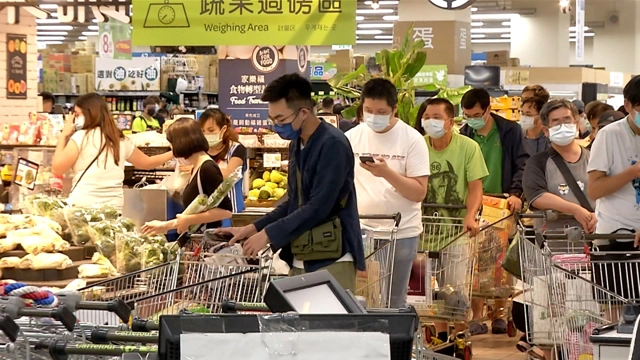 00:34
00:34 00:34
00:34 00:57
00:57 04:03
04:03 04:22
04:22 01:47
01:47 03:23
03:23 02:02
02:02 00:36
00:36 00:57
00:57