REPORTER:
I want to focus on the final parts of the trade deal fueling some debate in Taiwan, which includes Taiwan opening its markets, particularly auto and agricultural imports, to the US. How will this affect Taiwanese workers?
Daniel Liu (CIER):
If US-made car, you know export to Taiwan increase in the future, of course that will crowding out the space of the domestic automobile industry in Taiwan. Okay. Of course, that may jeopardize the employment opportunities for the automobile in employment. So we have to be very, very careful. And the government should take care about,how toalleviate the damage, how to provide more, you know, assistance to the domestic automobile industry as well as domestic automobile workers.
---
REPORTER:
The final document lacks new details about Taiwan’s promise to invest as much as US$500 billion for US chip manufacturing. How do you see this money being spent?
Daniel Liu (CIER):
I think majorly it involves, you know, in the TSMC, additional investment in the US, also the suppliers of the semiconductor supply chain. I see not only the chip making the chipmaking firm. For example, TSMC has to, uh, make more investment in the US, but other suppliers of the TSMC also have to commit to investing more in the US. Okay. There’s a whole supply chain.
Daniel Liu (CIER):
I think that is the so-called the cluster, you know, investment not a single firm investment.
Daniel Liu (CIER):
The infrastructure and the factory and the, the related facility and the supplier support and all the whole investment among the US anticipate the US can reduce the dependency on the Taiwan semiconductor industry to build up their own capacity in the US context.
---
REPORTER:
The agreement now requires approval from Taiwan’s legislature. What details of the deal do you see opposition parties being most sensitive to?
Daniel Liu (CIER):
The traditional sector and the agricultural sector. So those two sectors, import, uh, higher a significant proportion of the Taiwanese labor. Also, they are very vulnerable to the domestic, to the international environment. As a result, this may create some, reservations on US and Taiwan trade deal.
Daniel Liu (CIER):
If government has themore robust program to, to help those industries, alleviate the pressure in the Parliament.
 04:54
04:54 01:56
01:56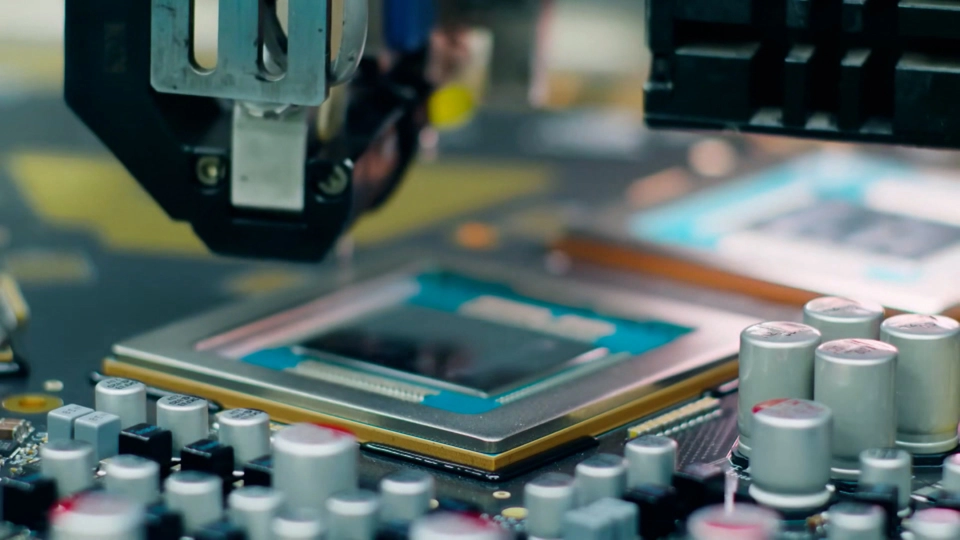 00:35
00:35 00:41
00:41 03:30
03:30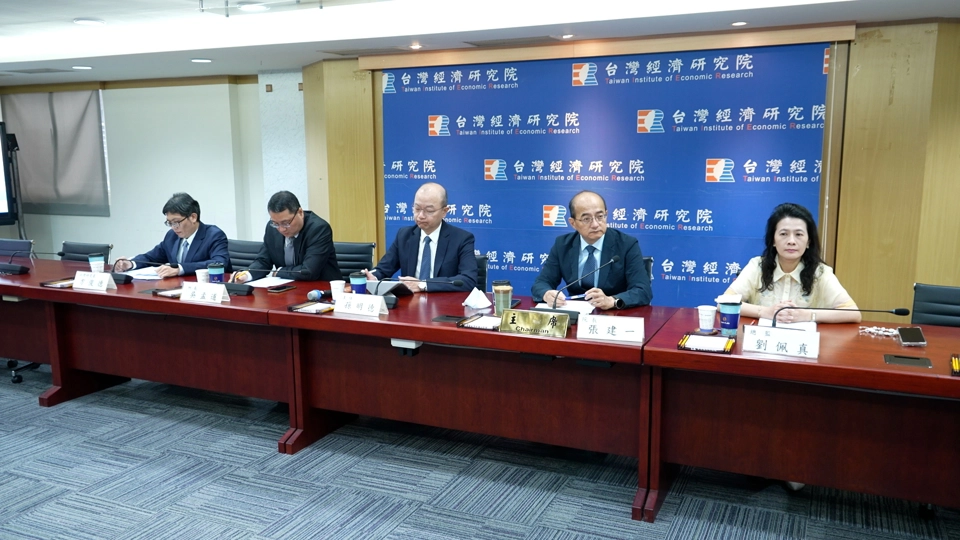 01:41
01:41 01:51
01:51 00:26
00:26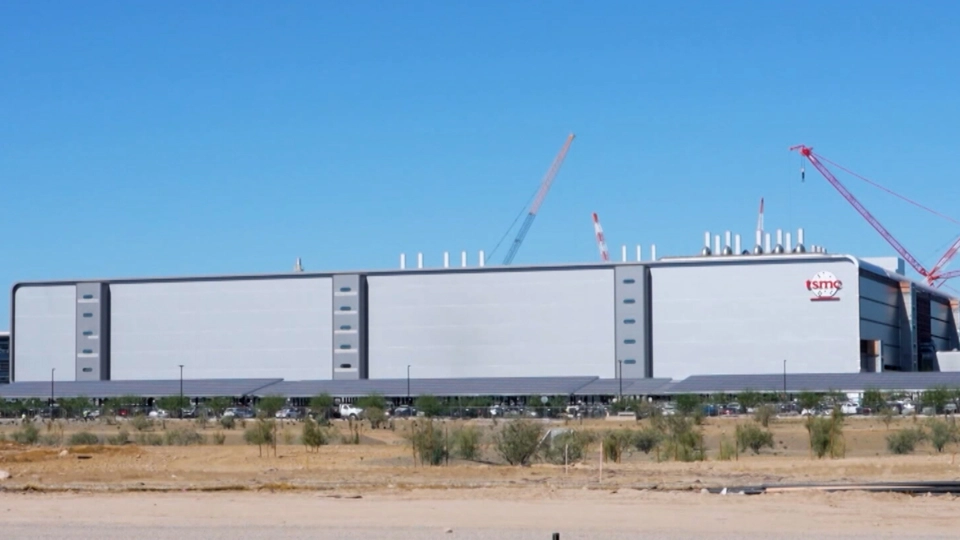 04:26
04:26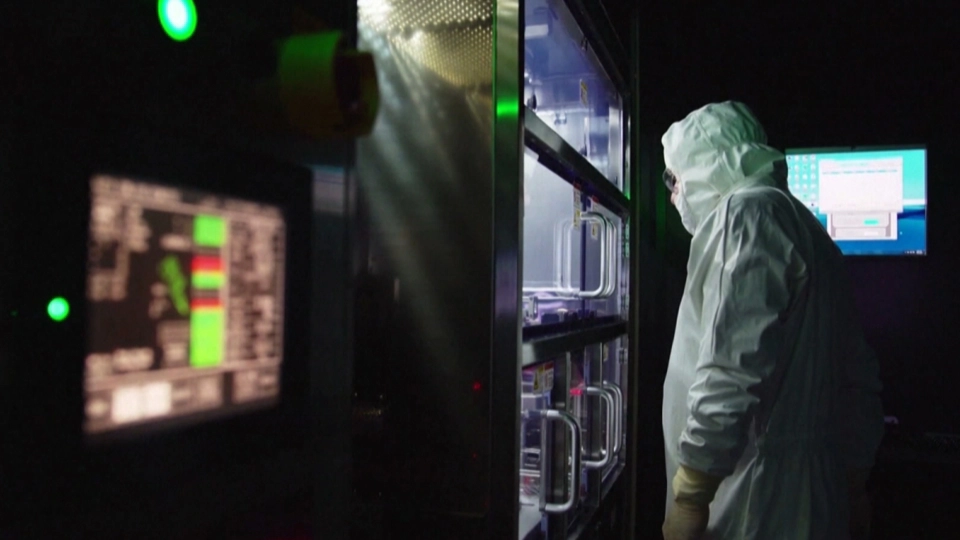 00:38
00:38 07:21
07:21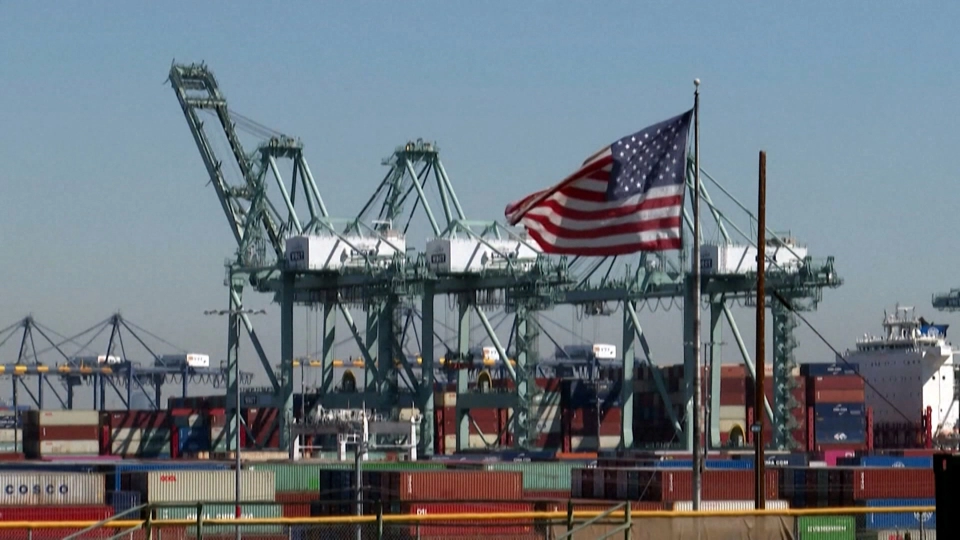 02:00
02:00 01:52
01:52 03:34
03:34 02:16
02:16 01:48
01:48