Taiwan Lawmakers Demand Clarity From US on Trade Deal
By Alex Chen/Lily LaMattina
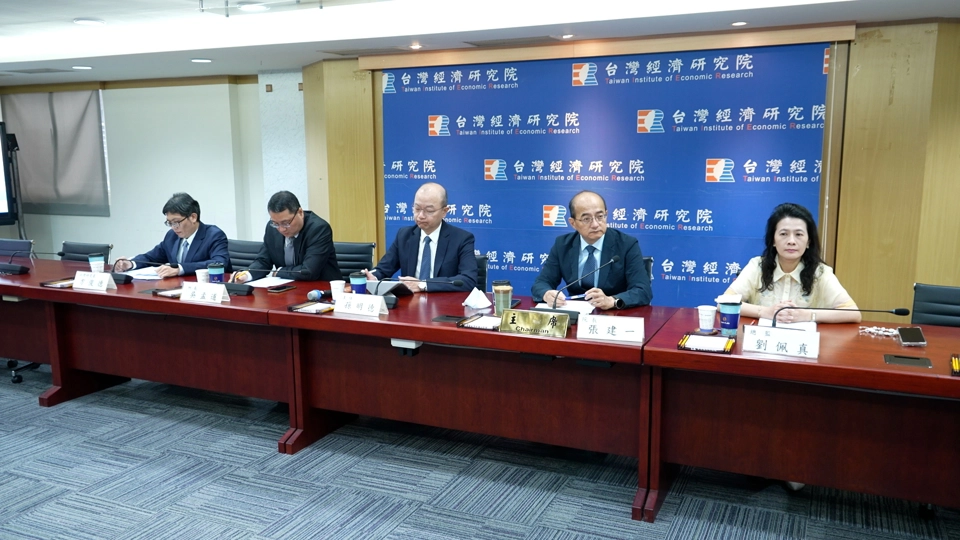
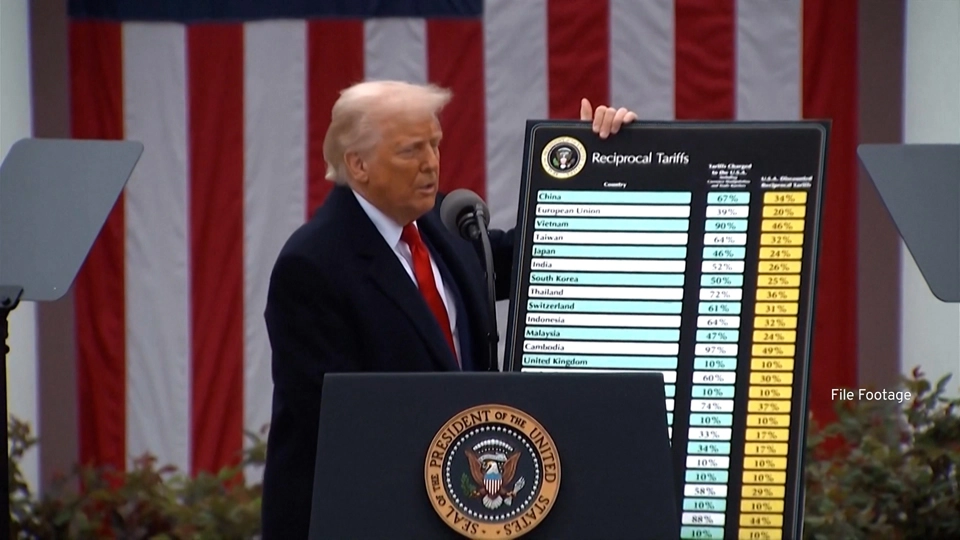
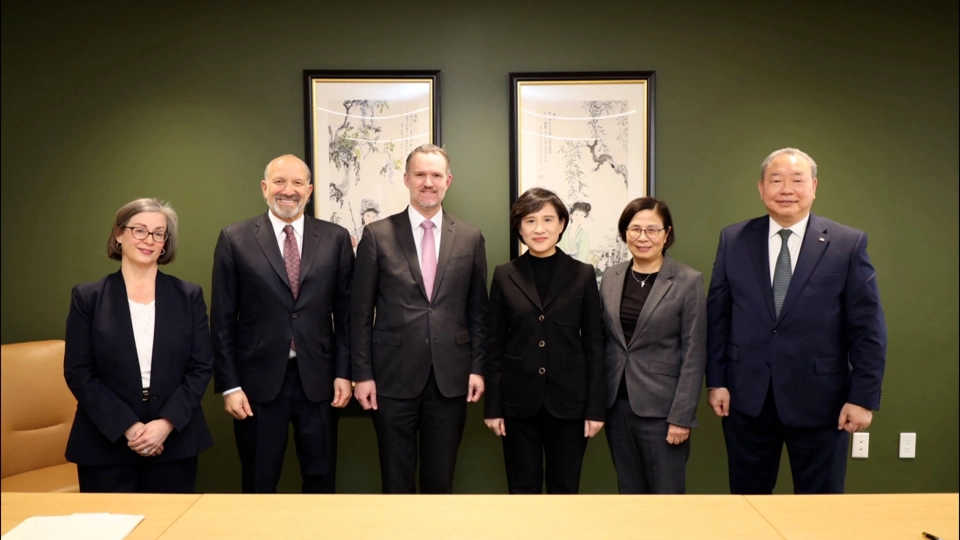
Taiwan's premier told lawmakers the country's trade agreement with the US remains valid after the US Supreme Court overturned Trump’s reciprocal tariffs. But Taipei is seeking assurances from Washington that it will honor the agreement's terms. Opposition lawmakers are also demanding clearer guarantees as well as relief measures for affected industries.
REPORTER:
Taiwan’s premier says its trade agreement with the U.S. is still valid, but Taipei is seeking assurance from Washington that it will honors its terms.
REPORTER:
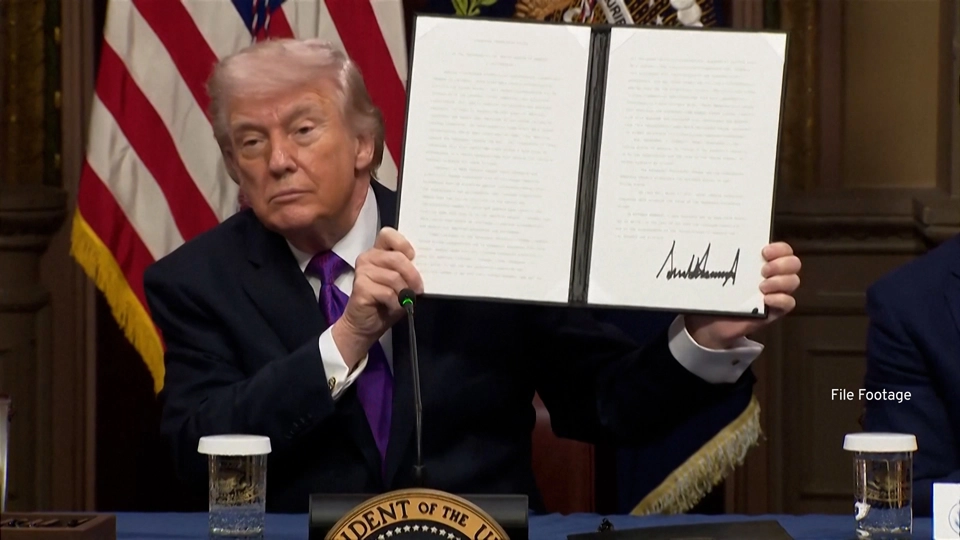
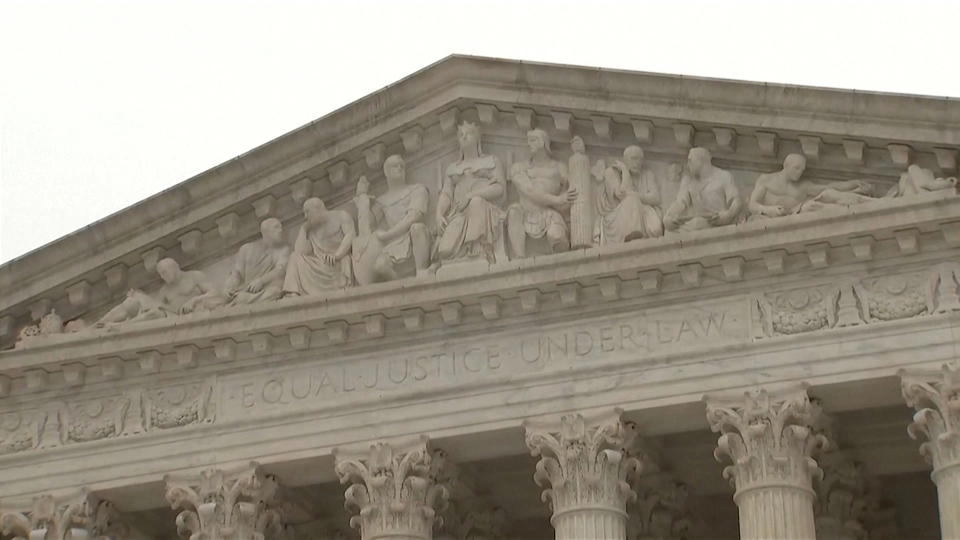
The premier acknowledged the uncertainty, following the U.S. Supreme Court's ruling that overturned Trump's reciprocal tariffs.
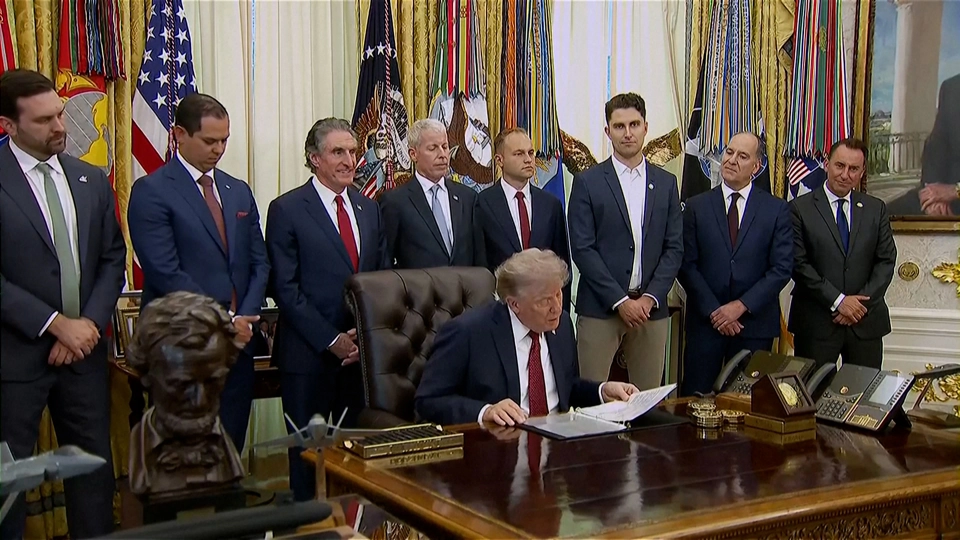
But tariffs remain a core part of Trump’s policy, and he will insist on using them—just through different legal channels.
Still, the Premier tried to convince lawmakers that there was no need to renegotiate the deal.
REPORTER:
But lawmakers also called on the government to spell out relief measures for affected industries, especially small and medium enterprises.
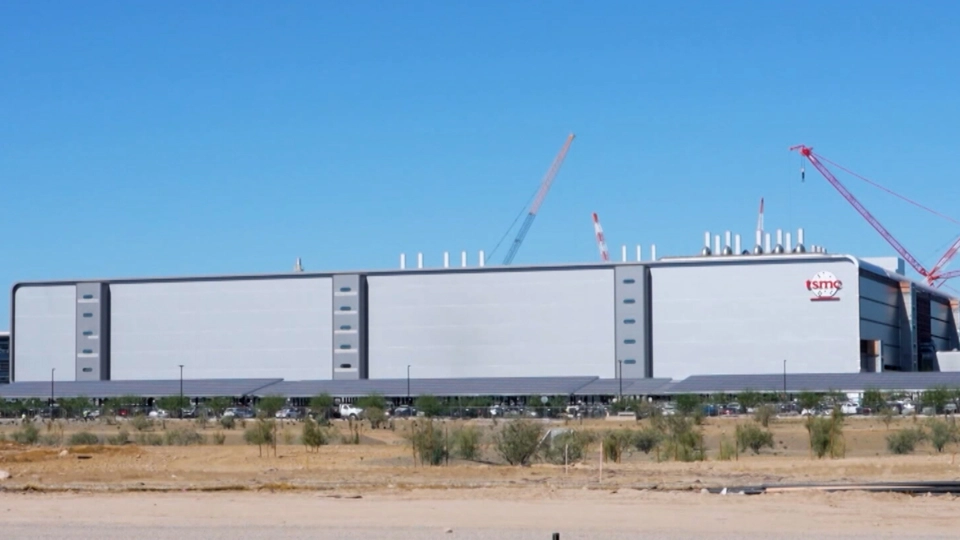
Even though high-tech industries make up a big portion of Taiwan’s GDP, industries like agriculture and manufacturing employ most of Taiwan’s workforce (80-90%), so they want the government to take care of these smaller businesses which will be heavily impacted.
Overall, opposition lawmakers are still uneasy about the uncertainty coming from the US side and the potential that America can go back on its promises.
REPORTER:
The Trump administration has now released its 2026 Trade Policy Agenda, saying the U.S. will finalize deals with Taiwan as well as several other countries across Asia and Central and South America – enforcing all of its agreements through existing trade laws.
REPORTER:
Some opposition lawmakers are calling for Taiwan to restart negotiations with the US, while others say Taiwan should delay reviewing the agreement until there's some more clarity from Washington.