REPORTER:
The final stretch. Reports say that Taiwan’s Vice Premier Cheng Li-chiun is heading to Washington DC this week, to sign a trade agreement.
In mid-January, Taiwan and the US agreed to an initial deal, which would reduce Taiwan’s tariff rate to 15% while Taiwan committed 500 billion US dollars in investment in America. Half would go to support US chipmaking, the other half would be in government-backed loans for other investments.
The final agreement still needs to be signed.
Deputy Legislative Speaker Johnny Chiang has said that it’s expected to be inked by mid-February, and now some reports say it could be as early as this Saturday.
In an exclusive interview on Sunday, Cheng once again sought to quell fears that Taiwan’s most advanced semiconductor manufacturing processes will move to the US.
Cheng Li-chiun (Vice Premier):
President Trump and the US side hope to revitalize manufacturing in the US and build a domestic chip supply chain. The host just mentioned about 40% to 50% of production capacity moving to the US. Actually, I clearly told the US that's impossible.
REPORTER:
But as of now, other important parts of the deal have yet to be sorted out, including how open Taiwan’s market would be to US goods, and the expansion of procurement from the US.
The US has been hoping that Taiwan will further open its market to certain US exports, including cars and agricultural products such as beef and pork.
It also wants Taiwan to increase purchases of US soybeans, corn, wheat, oil, and natural gas.
Taiwan’s government has said the country will “uphold its bottom line,” refusing to sacrifice food safety and farmers’ livelihoods to get a trade deal.
Once the agreement is signed, it will be submitted to the opposition-controlled legislature for review, meaning Taiwan’s government will need to seek cross-party support.
 04:54
04:54 01:56
01:56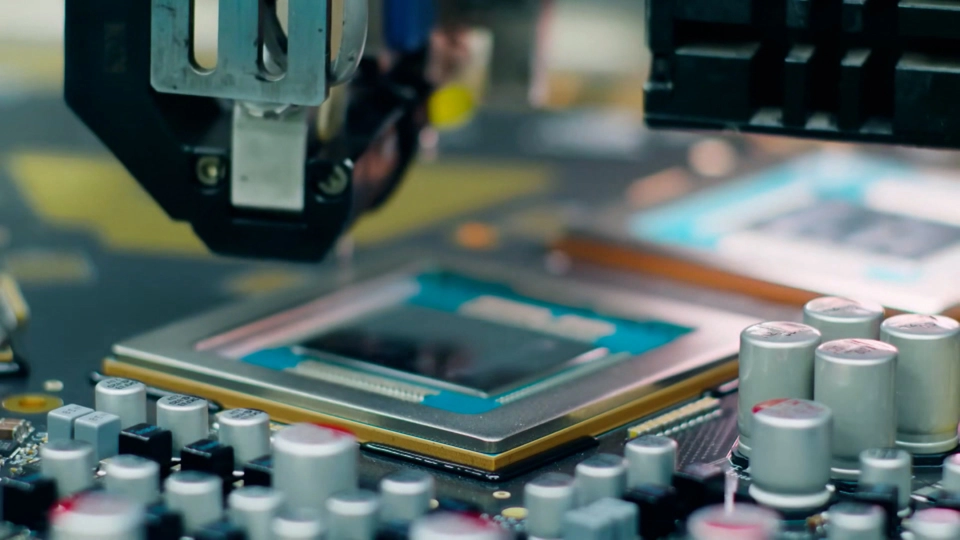 00:35
00:35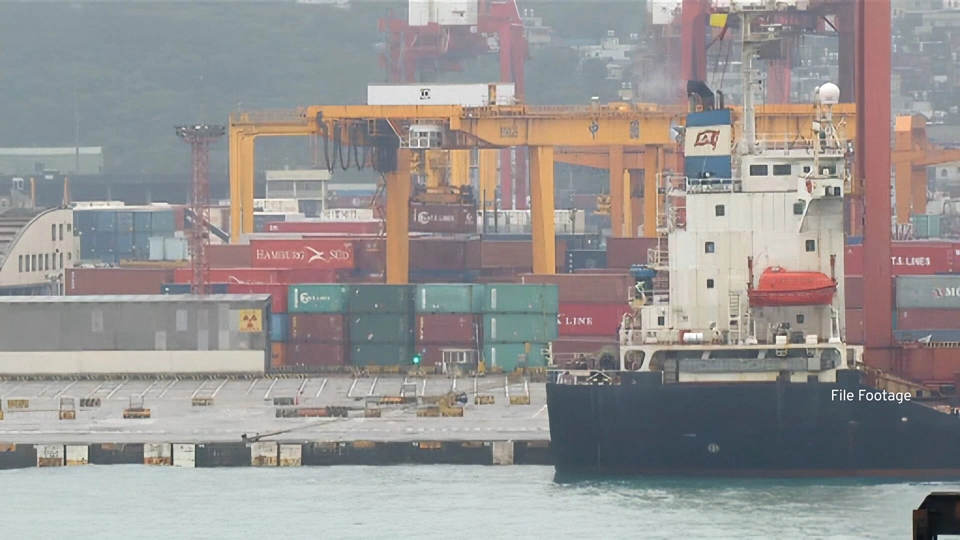 00:41
00:41 03:30
03:30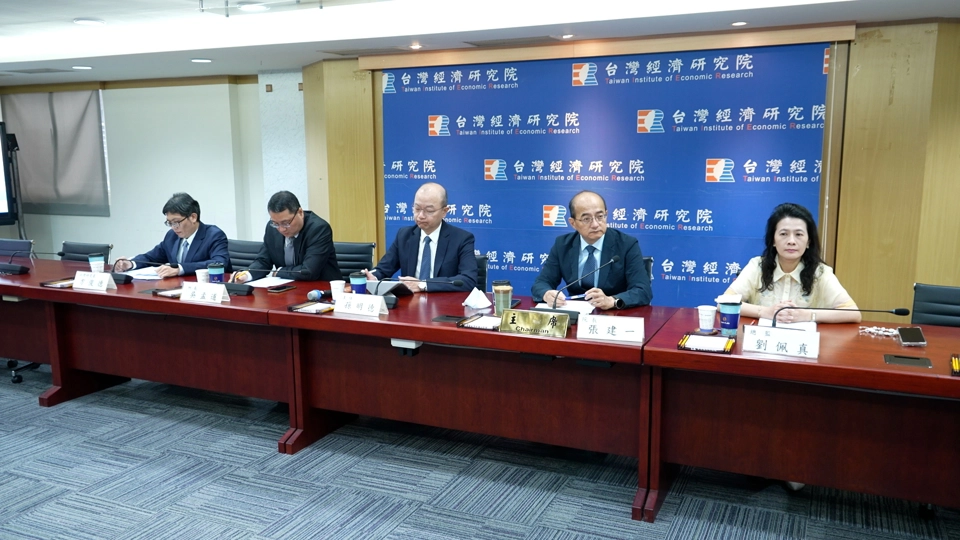 01:41
01:41 01:51
01:51 00:26
00:26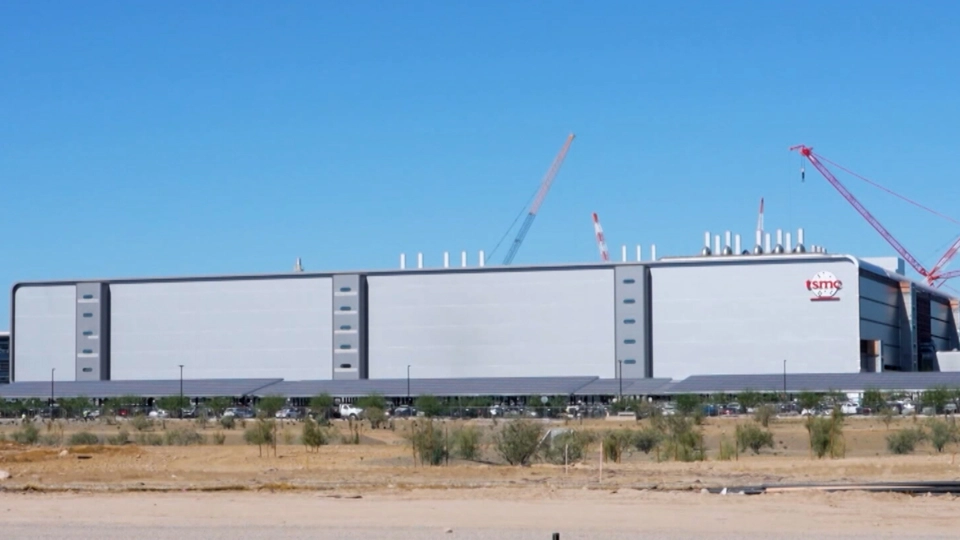 04:26
04:26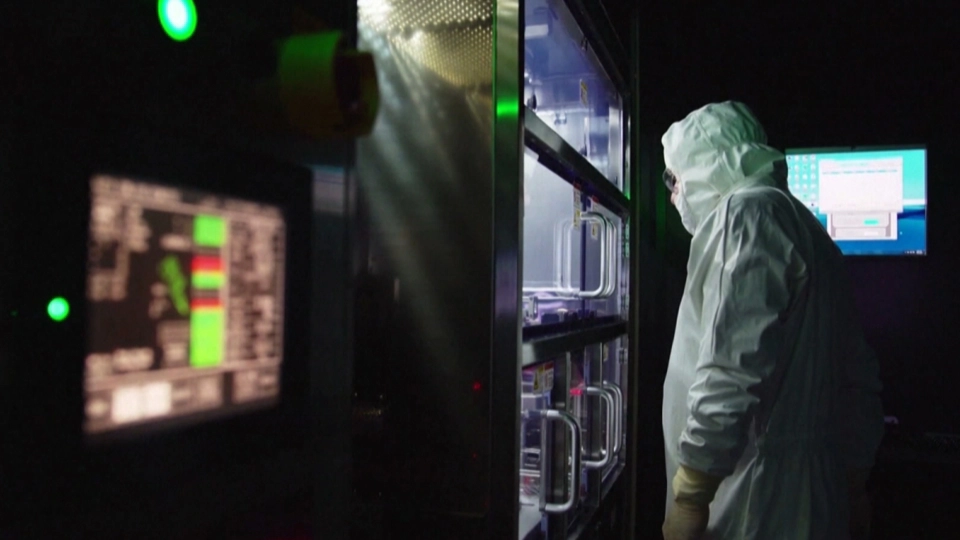 00:38
00:38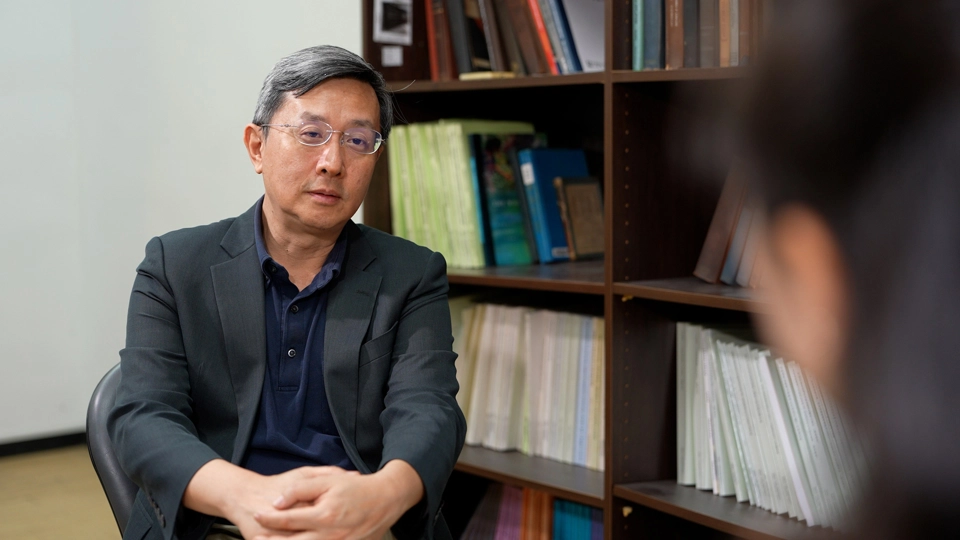 07:21
07:21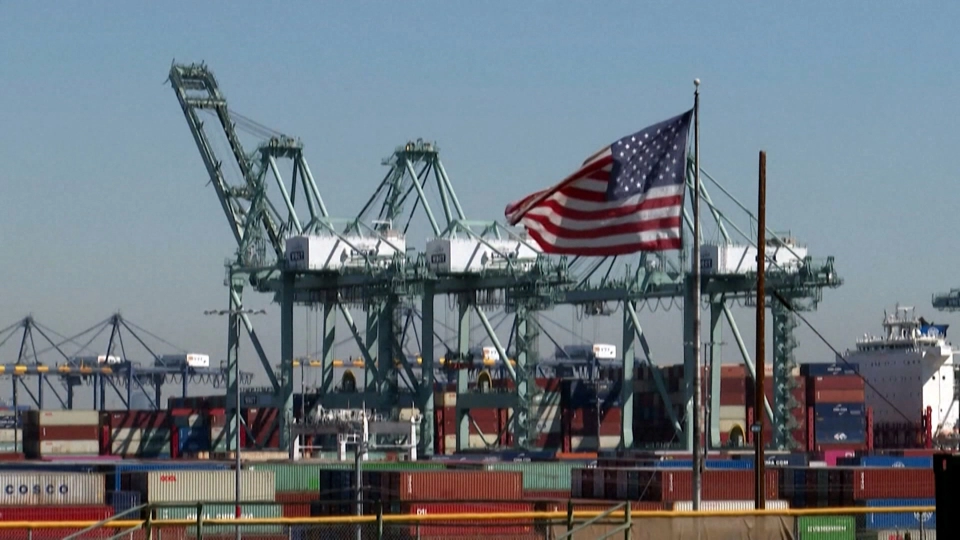 02:00
02:00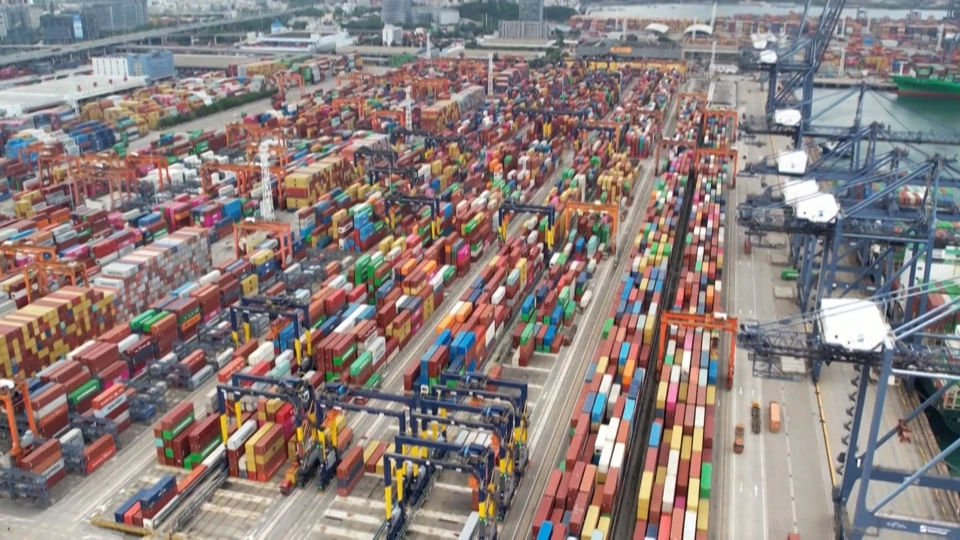 01:52
01:52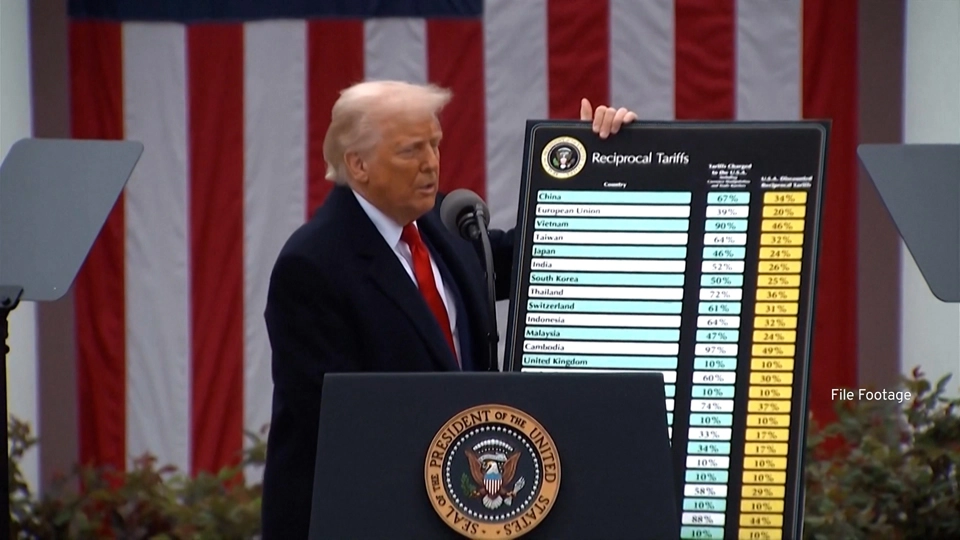 03:34
03:34 02:16
02:16 01:48
01:48