**Assault on Think Tank Leader Raises Fears of Transnational Repression**
REPORTER:
Yaita Akio was speaking at a conference Monday morning when he was attacked in a hotel lobby in Taichung. The attacker was arrested trying to leave the country, and to many, this is no isolated incident.
REPORTER:
On Thursday morning Yaita spoke publicly about his experience, warning that the attack on him represents a growing threat to Taiwan's democratic way of life.
Yaita Akio (FOUNDER, INDO-PACIFIC STRATEGY THINKTANK):
Today I was attacked, but what about tomorrow?
It could be anyone in the media, a scholar, politician or any ordinary person
who publicly expresses their views.
Some might say this is a regular case of violence
but Hong Kong's experience tells us
freedom of speech does not disappear overnight
it is eroded bit by bit through repeated threats of violence.
REPORTER:
Taiwan's president and foreign ministry have condemned the assault, calling it a case of transnational repression. China's government denied responsibility for the attack and said the man was likely motivated by what they called "righteous indignation." Yaita Thursday morning said it would be "difficult to explain" how the man on his own flew to Taiwan just to assault him. Taiwan's Mainland Affairs Council, which oversees cross-strait relations, slammed Beijing's response as "glorifying violence," and said the Chinese government is treating Taiwanese people like fools.
REPORTER:
The attack comes after a new Chinese law promoting ethnic unity took effect. It has raised concerns in Taiwan and around the world over how Beijing will more aggressively seek to punish those who don’t agree with its views. Ruling Democratic Progressive Party lawmaker Puma Shen warned that this threat is not restricted to any one single group.
Puma Shen (LEGISLATOR, DPP):
It's not just targeting Uyghurs, Hong Kongers or Taiwanese.
It's not limited to just those groups.
If you advocate that these people are not Chinese
if you don't want to be Chinese
or if you help them make that claim
you completely fall under its jurisdiction.
So the scope of this law’s enforcement
has now become infinitely large.
REPORTER:
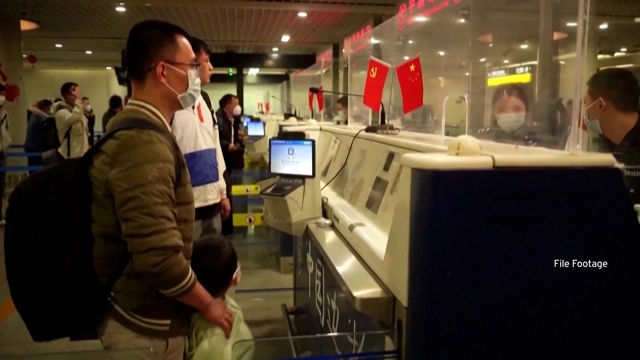
The attack is seen as the first example of transnational repression since the ethnic unity promotion law went into effect, and some fear it will not be the last.
REPORTER:
Despite the risks of potential legal troubles or even physical attacks, critics of Beijing continue to speak out for democracy and human rights.
 00:52
00:52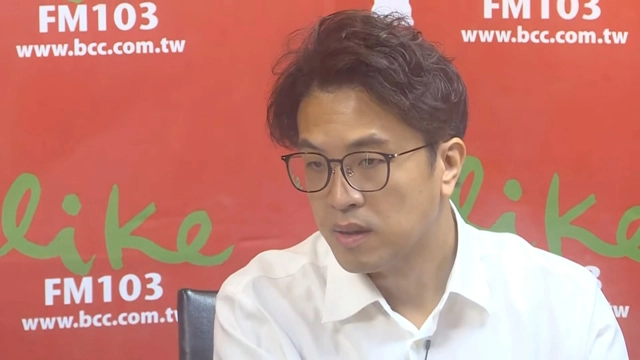 00:35
00:35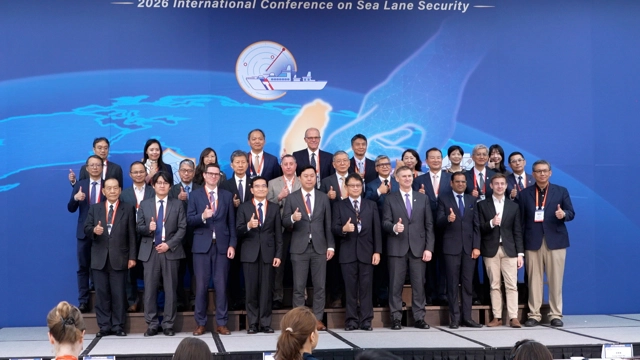 02:40
02:40 00:45
00:45 00:32
00:32 00:41
00:41 02:27
02:27 01:26
01:26 00:37
00:37 02:25
02:25 03:16
03:16 00:52
00:52 00:51
00:51 00:37
00:37 03:08
03:08 00:31
00:31