REPORTER:
The IMF lowered its 2026 global growth forecast to 3%, citing the risk of a correction in the AI market, along with the Middle East conflict and trade fragmentation. Could you explain what an AI market correction means, and what impact it could have on the economy?
Darson Chiu (DIRECTOR-GENERAL, CACCI):
No technological development continues to rise forever.
There will sometimes be corrections.
These corrections could be caused by temporary oversupply.
This kind of correction could actually help the industry’s long-term development.
Why? Because we are seeing AI applications continue to expand and spread into more areas.
So if this kind of correction happens now the key indicator we should watch is whether major global companies start cutting their AI capital spending.
If they do and, for example start slowing the construction of data centers that could lead to volatility in the stock market as investors react to developments in AI.
REPORTER:
Taiwan has benefited from the AI boom, but if global demand for AI slows, what effect will it have on the economy?
Darson Chiu (DIRECTOR-GENERAL, CACCI):
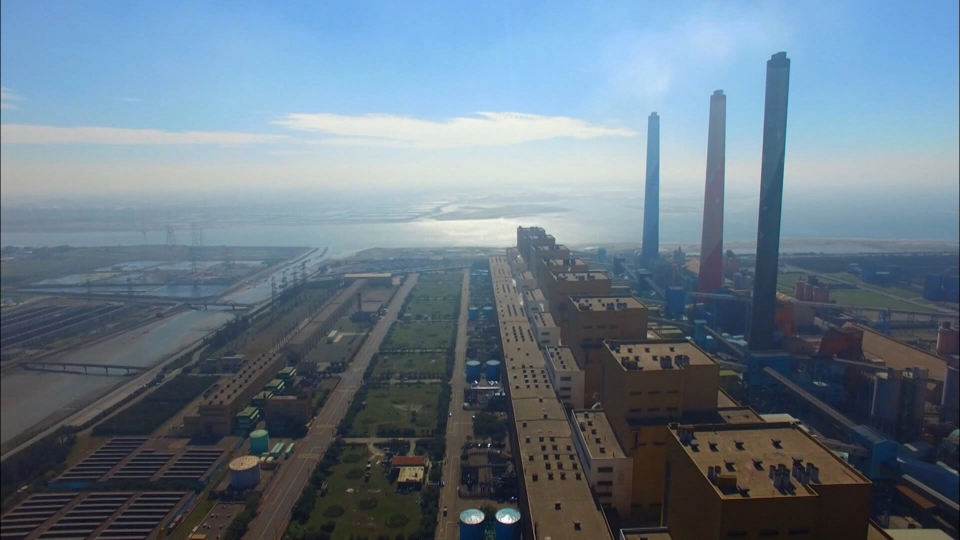
We also should not forget that Taiwan is an export-oriented economy and exports are a key driver of our economy accounting for about 60% of our GDP.
Within that, AI has become the most important factor.
Because from last year until now exports from traditional industries such as petrochemicals, transportation, machinery and textiles have not performed as strongly as AI-related sectors.
So if the global economy, particularly the AI sector, experiences a period of temporary oversupply and companies begin to reduce AI-related capital spending that could potentially affect global economic growth.
It could even impact Taiwan’s economic performance.
AI remains Taiwan’s biggest growth driver but on the flip side if major companies begin cutting supply-side investments that could be one of the key risks Taiwan needs to watch.
REPORTER:
Lastly, what external risks do you think Taiwan's economy needs to be most vigilant about in the coming year?
Darson Chiu (DIRECTOR-GENERAL, CACCI):
If the conflict in the Middle East remains unresolved and oil and natural gas prices remain elevated that would increase costs for businesses and could also drive up concerns such as inflation which is an issue we are closely watching.
Another factor is the US-China technology competition and the restructuring of global supply chains which is already underway.
But these developments could still affect areas such as corporate investment.
The third and most important factor is the slowdown in global demand that we just mentioned.
For example, our current export orders, especially those related to AI, have been performing very strongly.
But we should pay attention to the fact that if major companies start reducing their investments and if orders begin to slow down that could cause Taiwan’s exports and economic growth to slow as well.
 02:02
02:02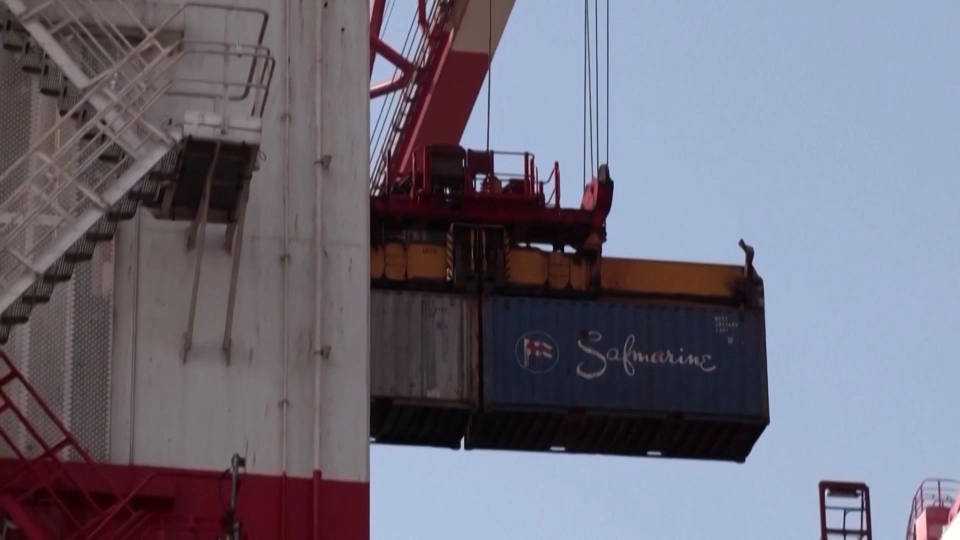 00:36
00:36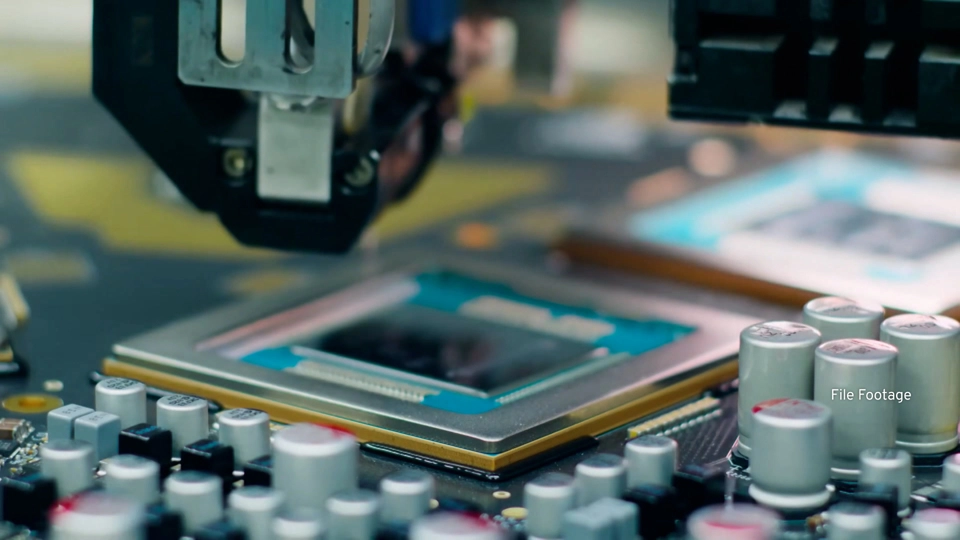 00:57
00:57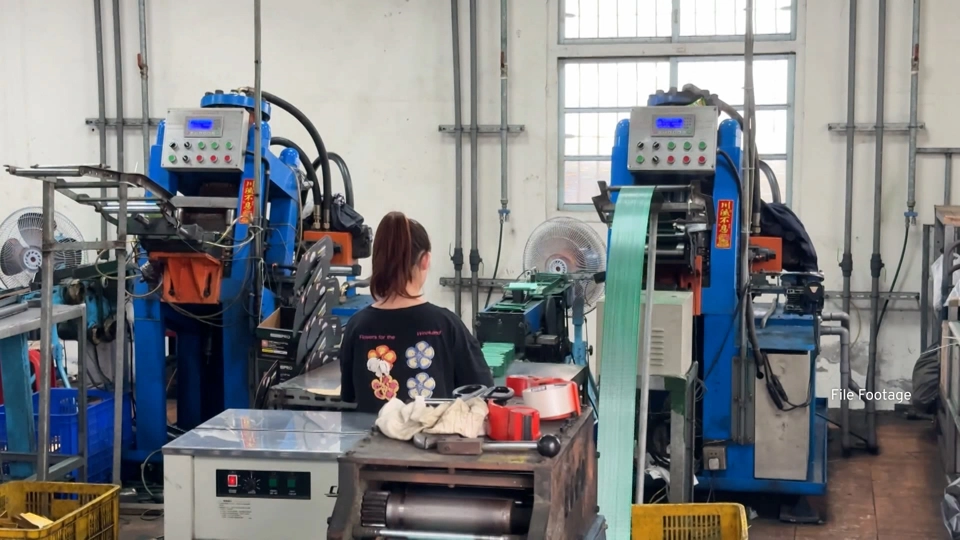 02:03
02:03 00:26
00:26 00:35
00:35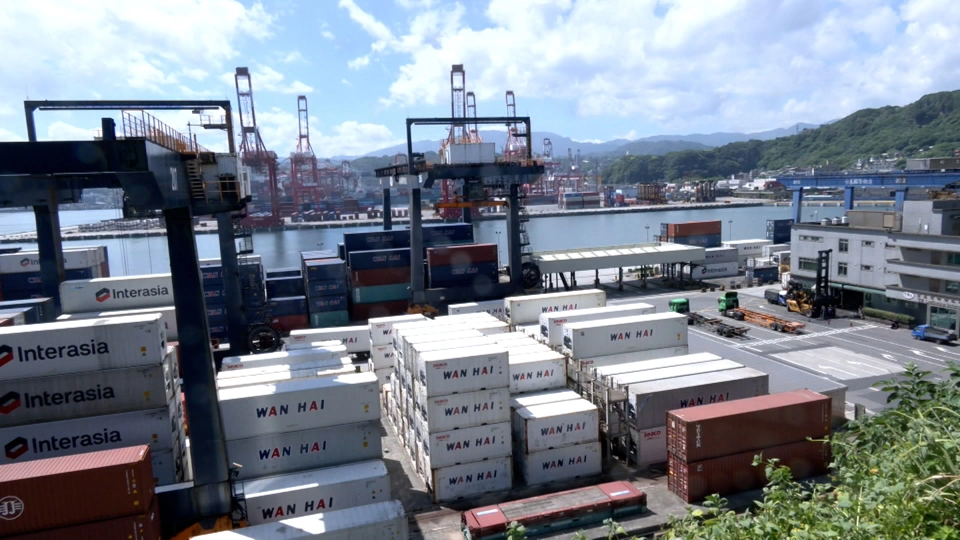 00:27
00:27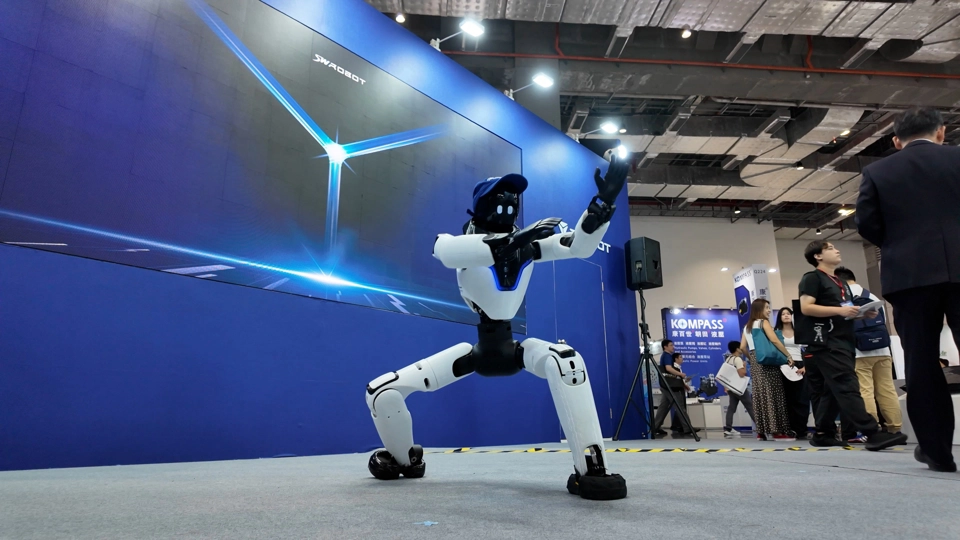 02:16
02:16 02:16
02:16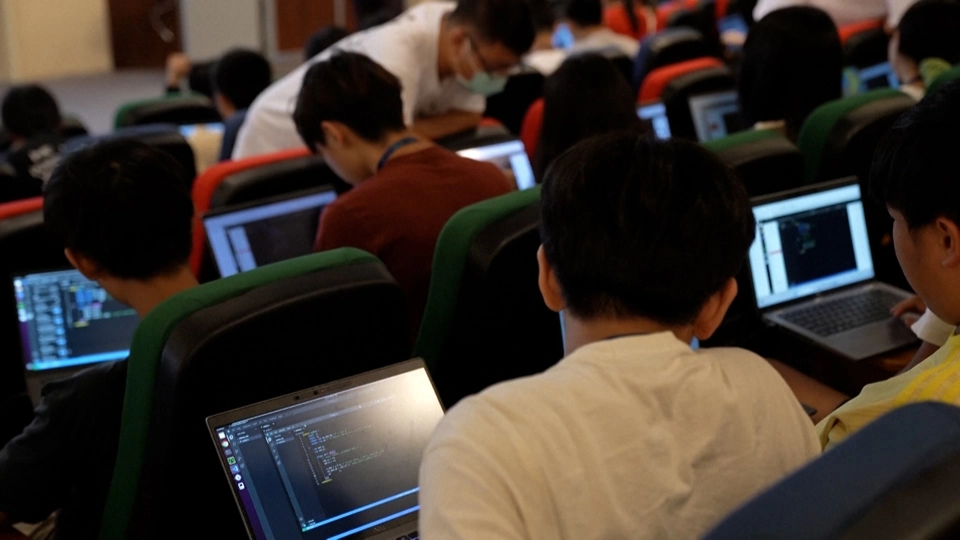 02:53
02:53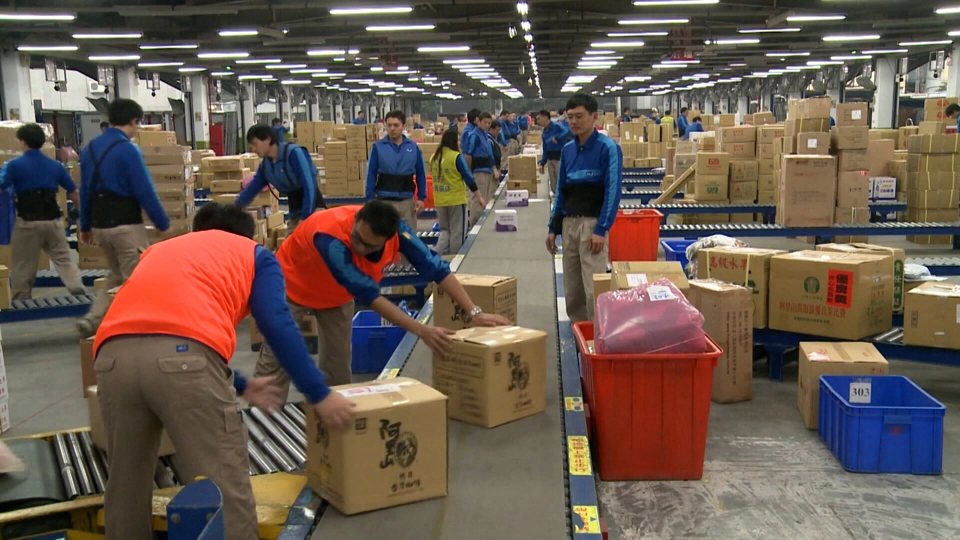 00:33
00:33 01:43
01:43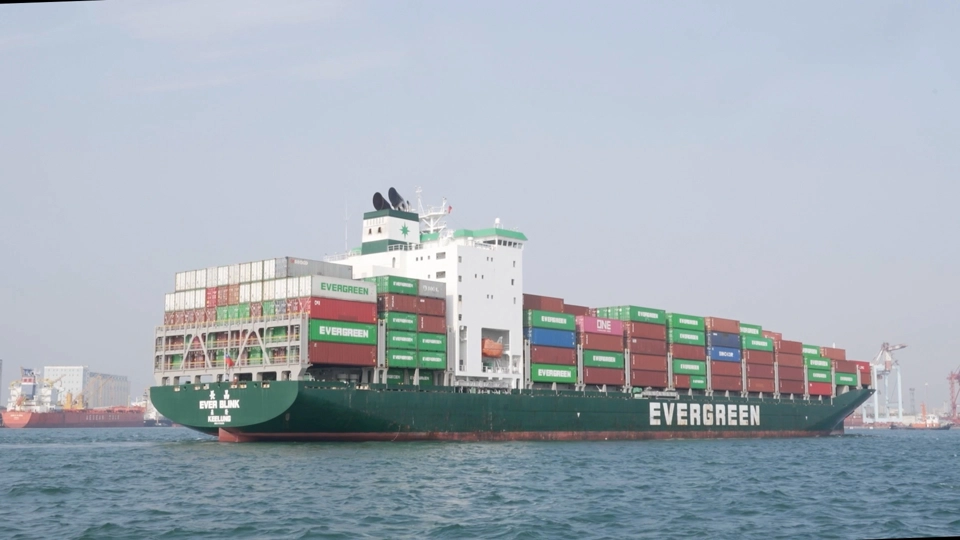 00:31
00:31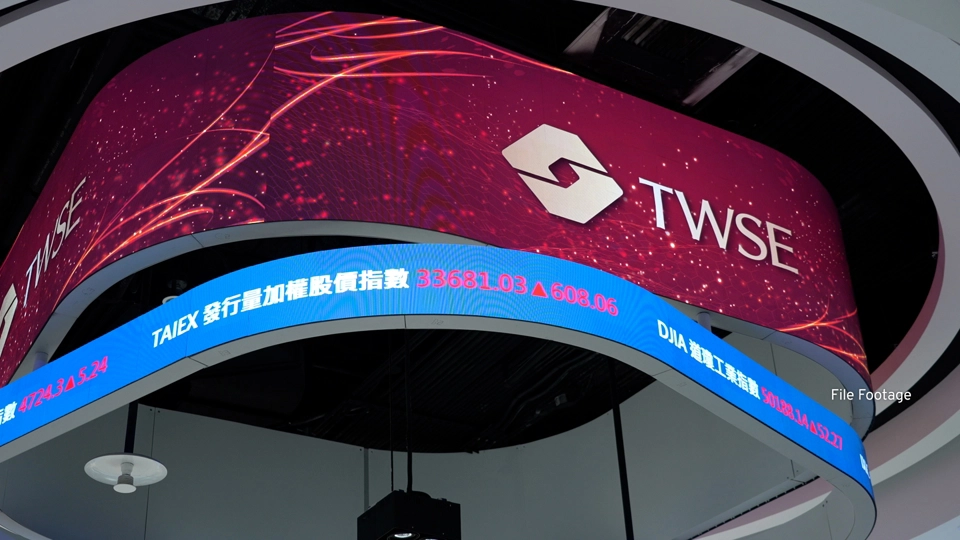 00:50
00:50 00:32
00:32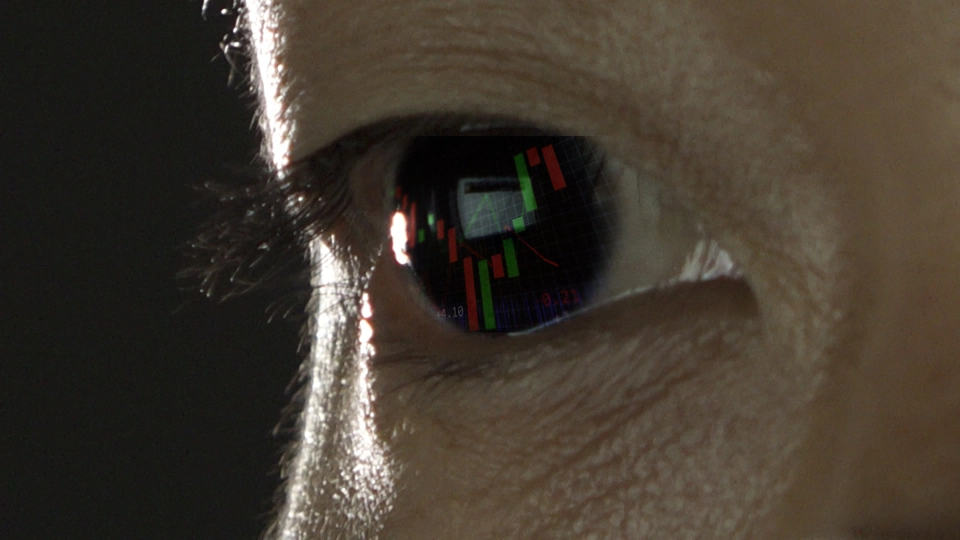 04:46
04:46