*This AI-generated summary is based on reporting by TaiwanPlus and verified by newsroom fact checkers. Learn more about our policy here.
TAIPEI — Eighty years ago, in the closing months of World War II, American B-24 bombers darkened the skies over Taipei in the deadliest air raid Taiwan had seen during the conflict.
On May 31, 1945, U.S. forces launched a massive aerial assault against the then-Japanese colony of Taiwan. More than 100 bombers flew in from the Philippines, striking central Taipei. The attack killed an estimated 3,000 people in the span of three hours.
Jiang Jin-zao was just 15 years old, preparing for graduation. “There were air raids. There were air raids when we were graduating,” she said.
The raid destroyed government buildings, the Taipei Main Station, and landmarks such as Longshan Temple and what is now the Presidential Office.
Barak Kushner, a professor of East Asian history at the University of Cambridge, says Taiwan’s location made it vital to Japan’s military strategy. “Taiwan plays a fundamental role in both trade and due to its kind of cross maritime crossroads... it also plays an important military hub as the war expands.”
Bombing campaigns began in earnest in 1943 but were sporadic. By 1945, however, the U.S. shifted focus as Germany surrendered in Europe.
Historians estimate around 5,000 civilians were killed in air raids across Taiwan during the war, the majority during the May 31 attack. Harvard Professor Rana Mitter says such raids were a direct result of Taiwan being seen as a Japanese military asset.
The event remains little known internationally, often overshadowed by other tragedies of the war and downplayed during the Cold War era. But for survivors, the memories remain raw.
“It was a scary time when we were young,” Jiang said. “We didn’t know what was going to happen tomorrow".
 05:35
05:35 17:33
17:33 04:11
04:11 02:44
02:44 03:16
03:16 08:37
08:37 02:21
02:21 06:27
06:27 02:21
02:21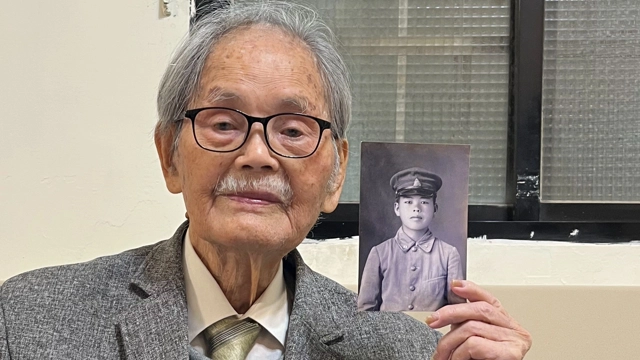 04:23
04:23 04:49
04:49 04:29
04:29 05:10
05:10 06:12
06:12 08:59
08:59 04:50
04:50