A major new change to health insurance policy could save millions of seniors hundreds of dollars a year... but cost the government over 1.2 billion US dollars.
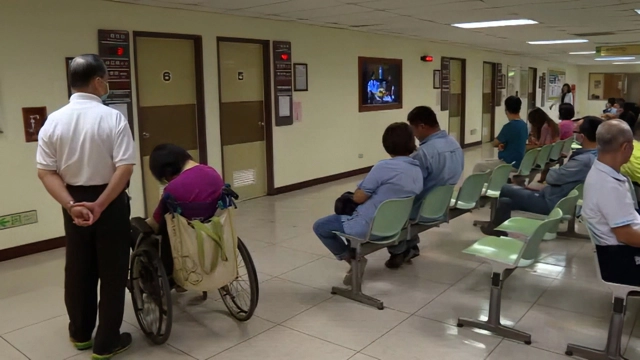
The opposition-controlled legislature has passed a new amendment that fully subsidizes health insurance fees for people aged 65 or older and who are in the under-20% tax bracket. Up to four million people could benefit. And with the change coming ahead of local elections in November, there are some accusations that the amendments are a form of vote-buying.
LIN YA-HUI, TAIWAN HEALTHCARE REFORM FOUNDATION:
"We oppose hasty decisions made without public discussion and policy-based vote buying. We urge political parties to work together to safeguard the sustainability of the National Health Insurance system."
Health Minister Shih Chung-liang says that this move to benefit seniors could shift costs to younger people, or take away funding from other welfare programs.
SHIH CHUNG-LIANG, HEALTH MINISTER:
"This is yet another unauthorized change that will only disrupt the overall insurance system."
With Taiwan’s population rapidly ageing, over 20% is aged 65 and older. While some cities, including the capital Taipei, already provide health insurance premium subsidies for older people, it’s on a city-by-city basis. Lawmakers who supported the amendment hope that putting the costs on the central government can ease inequity among local governments.
CHIU HUI-JU, LEGISLATOR (TPP):
"Health insurance premiums for elderly people should be the responsibility of the central government rather than local governments."
CHANG CHIA-CHUN, LEGISLATOR (KMT):
"If the central government can ease this burden seniors can use their money for more urgent needs and it will ease the financial strain on people caring for their parents."
But some social welfare groups say while helping seniors is good, placing the full cost on the central government and basing the premium on tax bracket might not
be the best move.
WU YU-CHIN, ACTING PRESIDENT ACTIVE AGING TAIWAN:
"Older people will appreciate the benefits but if we’re talking from a systemic perspective giving money will of course please the recipient but another issue arises: unfairness toward younger people due to a new system. Older people make up 20% of insured people but their medical expenses make up 42% of spending."
Whether the premium really benefits older people... or just shifts costs to younger people... this may be an issue that voters consider when they cast their ballots next month.
 02:31
02:31 00:57
00:57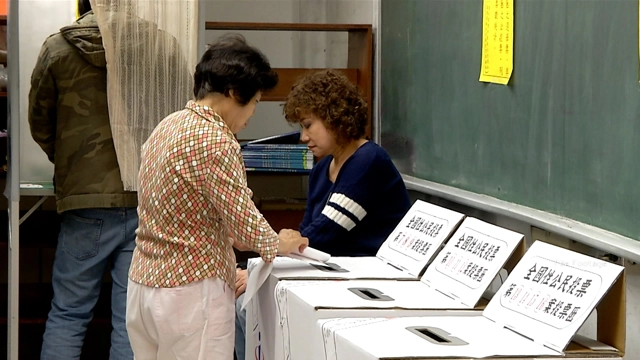 00:41
00:41 00:39
00:39 00:52
00:52 00:40
00:40 03:48
03:48 04:22
04:22 00:35
00:35 01:53
01:53 02:40
02:40 00:45
00:45 00:32
00:32 00:41
00:41 00:30
00:30 00:30
00:30