Analysis: Premier's Refusal To Countersign and Government Deadlock In Taiwan
By Scott Huang/Tiffany Wong
Following the premier's latest refusal to countersign legislation passed by lawmakers, TaiwanPlus speaks with National Taiwan University Assistant Professor Lev Nachman. He says both ruling and opposition politicians are harming Taiwan's democracy.
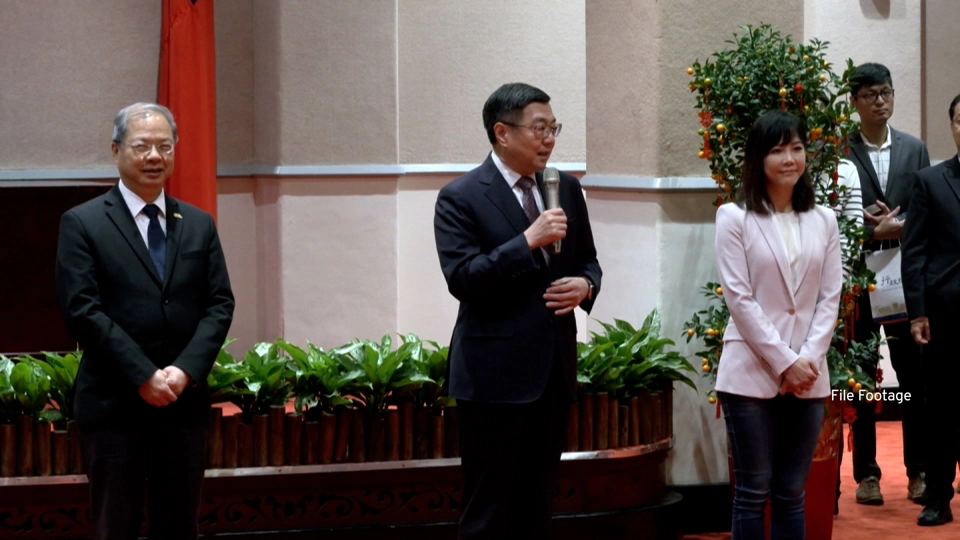
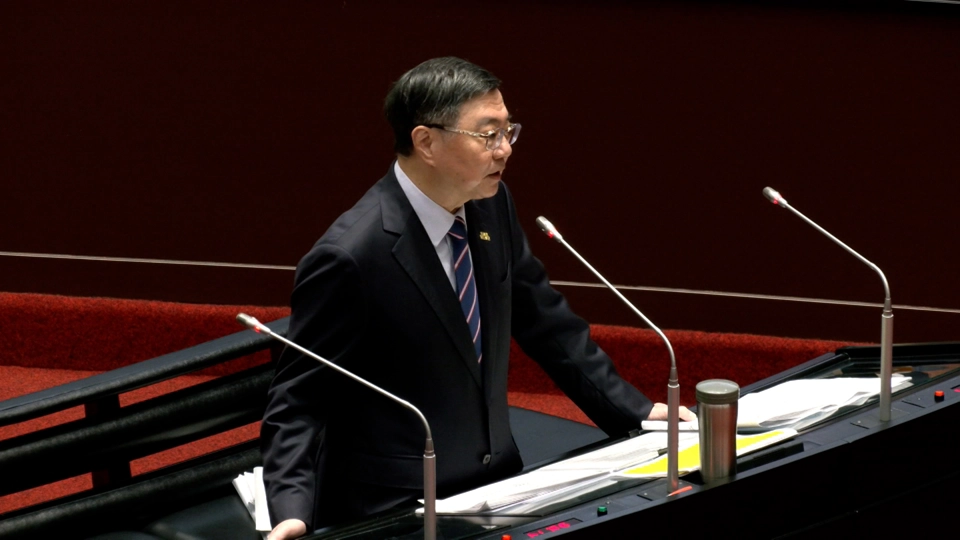
Q: What do you make of Premier Cho Jung-tai once again refusing to countersign legislation that's already been passed by the legislature? And why would he block legislation that appears to answer to some of the same issues the Cabinet is trying to address?
A: This is one of the most frustrating features of Taiwan domestic politics is that both sides, both the KMT and the DPP, will support something when they're in power and oppose it when they're not in power, or they'll support something when it's their idea, but oppose it when it's the other team's idea.
with with this bill in particular about trying to give money to those with children. yes, there have been versions of this from the DPP, and there's now this version from the KMT, and you have a lot of DPP commentators saying that this bill, this version from the KMT is a bad bill. And to a degree that doesn't matter, if it was passed through the legislative yuan, through legal democratic means, then the Premier should sign it. The Premier doesn't get to pick and choose which policies he likes or doesn't like, and then gets to sign. That's not how democracy works.
Q: What does this mean for Taiwan's government function right now?
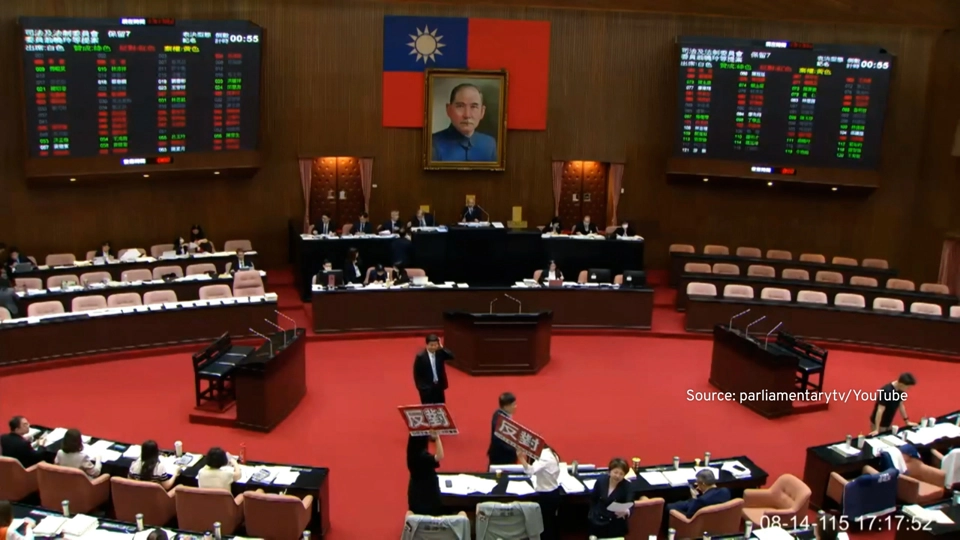
A: So this is sort of what happens when both sides of a political spectrum have a race to the bottom of who can obstruct democratic norms and procedures the most. Both sides are now sort of guilty of obstruction. You have this now tradition of the Blue White Alliance stopping any budgets from passing. And yes, they just passed the budget this last week, but that was after almost a year of waiting. and in response, you have the DPP, and specifically the Premier refusing to sign legislation that was passed by the Blue White Alliance.
And both sides will just point at the other and say, well, they were doing the anti-democratic thing first, or their anti-democratic thing is worse than our anti-democratic thing, or our anti-democratic thing is actually protecting democracy. When the reality is, all this does is sort of give more to the narrative that democracy in Taiwan is chaotic or dysfunctional. And ultimately this just hurts Taiwan, both domestically and internationally.
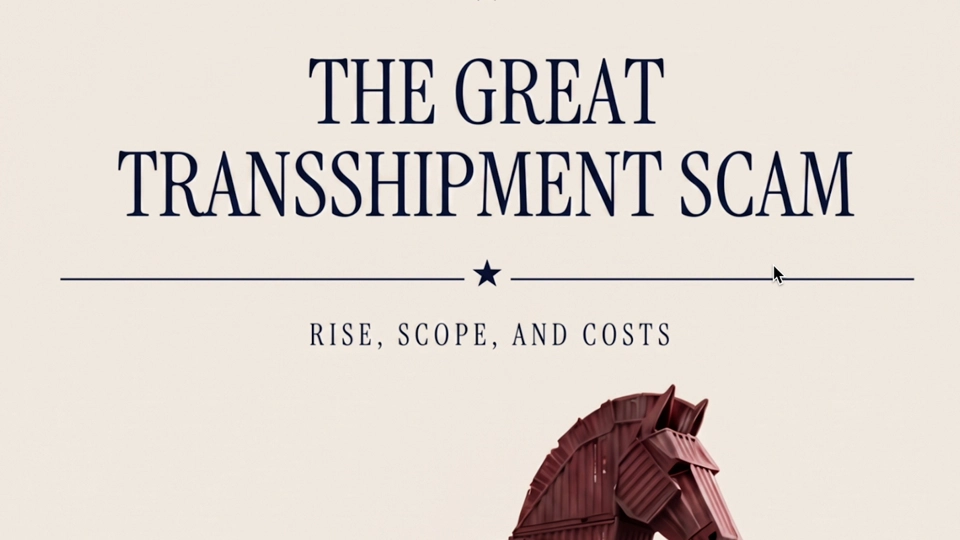
Q: A recent Economist article talked about Taiwan's political deadlock and the internal threats to its democracy. What do you make of this and who is watching Taiwan right now?
A: Yeah. So, you know, the economist article was great because it really put the KMT and TPP under the spotlight of why they have not passed a budget, especially when it comes to drone spending. This is something that every American politician who has come to visit Taiwan has asked over and over again, which is just how are drones not yet funded in Taiwan? And, you know, I think to a degree, this article played a role in sort of pushing the KMT into actually finally passing the budget and some sort of drone policy. it also is also very not trivial that the local election is coming up very soon. And that that also plays a big role into why the KMT and TPP are finally deciding to pass things, because it's really good for the KMT and TPP to look statesmanlike right before the local election. So you really sort of have this combination of both international pressure and domestic pressure in the form of the local election, that really pushes parties to finally get their acts together right before the local election, which is also all the more surprising why the Premier would choose now of all times to to not sign a bill.
Q: With Taiwan's local elections just a few months away, could they change the current political dynamics?
A: I am hopeful that the local elections are an incentive for politicians to get their act together, to pass something, to show their constituents that they are, in fact, doing their jobs. Unfortunately, I don't know that that's going to be the case, as we're still seeing obstruction months just before the local elections. That being said, I'm fairly pessimistic. I really see very little incentive for the KMT and TPP to play ball, especially since they've sort of committed to this bit of being as obstructionist as possible and really sort of dragging the DPP down with them by, by pushing the DPP to also be obstructionist. And now the DPP is being obstructionist, and I just really don't see any change to this behavior until we have literally new national elections in 2028.