HAN KUO-YU, LEGISLATIVE SPEAKER (Taipei)
The 2026 central government budget has been passed as amended.
After a record delay, and with only a third of the year left, Taiwan's opposition-controlled legislature has approved 93 billion US dollars for the central government's 2026 budget, ending nearly a year of deadlock.
Debate grew heated over the past few weeks as opposition lawmakers from the Kuomintang and the Taiwan People's Party pushed for cuts to the cabinet's proposal.
With next year's budget set for review soon, Legislative Speaker Han Kuo-yu urged lawmakers from across party lines to put aside their differences and approve it on time.
HAN KUO-YU, LEGISLATIVE SPEAKER (Taipei)
Over this period, our society has been in turmoil, which has also led to a constitutional impasse. I'm asking all lawmakers to make sure the [2027] budget is reviewed and approved on schedule so we don't disappoint the public.
Han also urged the premier and president to sign off on the 2026 budget as soon as possible to prevent further delays and controversy.
The approved budget reflects 1.5 billion US dollars in cuts, a total reduction of about 1.7 percent.
That includes 60 percent cuts to special allowances for heads of government, 50 percent for media policy and public information spending, and 10 percent for overseas travel budgets, including those for the foreign ministry.
A 2.5 percent cut was also made to spending on military equipment and facilities.
But, earlier calls from the opposition to slash drone development funding were dropped, with lawmakers approving nearly 2 billion US dollars in drone-related funding over the next six years.
Meanwhile, the culture ministry’s Development of International Digital Communications Project, which funds TaiwanPlus, took a 6 million-dollar cut.
The Public Television Service – the parent company of TaiwanPlus – saw its budget trimmed by nearly 700,000 US dollars, with another 9 million dollars frozen.
Ahead of the vote, a TPP lawmaker defended the reductions.
WANG AN-HSIANG, LEGISLATOR (TPP) (Taipei)
I want to emphasize that making budget cuts and freezes is within the legislature's prerogative. Cabinet agencies should demonstrate through concrete actions how each program is being implemented and how its funding is being used.
But ruling Democratic Progressive Party lawmakers said the cuts could not be justified, accusing the opposition of politicizing matters.
FAN YUN, LEGISLATOR (DPP) (Taipei)
Let's examine the reasons behind their cuts and freezes. There are basically three main reasons. First [reason] is political retaliation which has harmed grassroots communities and vulnerable groups.
Second reason for their indiscriminate cuts is to prevent the government and Taiwan from getting their messages across.
We have also seen them target channels for Taiwan to make its voice heard internationally.
The cabinet said that some of the cuts could disrupt government operations. A spokesperson warned that reduced funding for media promotion could lead to more misinformation.
In a social media post, President Lai Ching-te called the cuts "unreasonable and regrettable" and urged lawmakers not to let political infighting affect government operations.
Next year's budget is expected to be sent to the legislature for view later this month, and the clock will start ticking for opposition and ruling party lawmakers to reach an agreement.
 04:22
04:22 00:35
00:35 01:53
01:53 02:40
02:40 00:45
00:45 00:32
00:32 00:41
00:41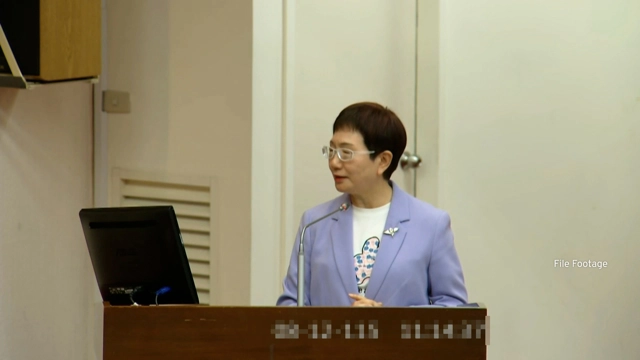 00:30
00:30 00:30
00:30 00:27
00:27 00:37
00:37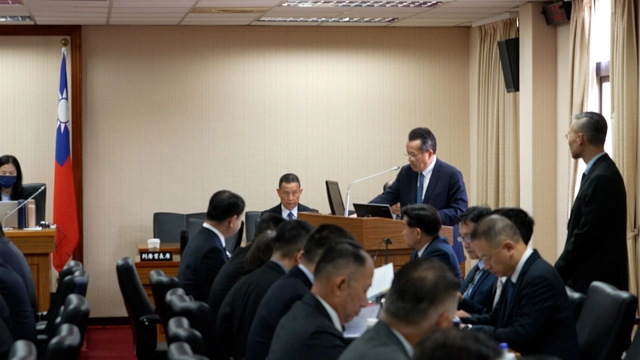 02:25
02:25 01:35
01:35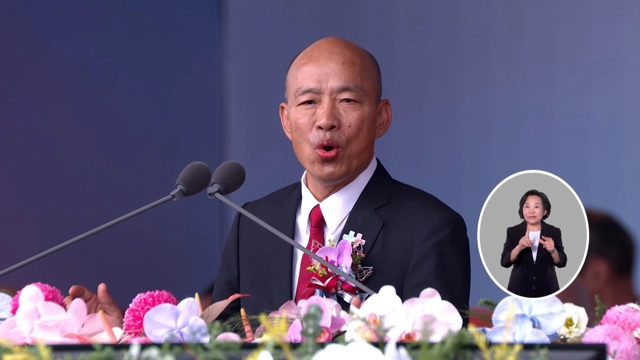 01:32
01:32 02:30
02:30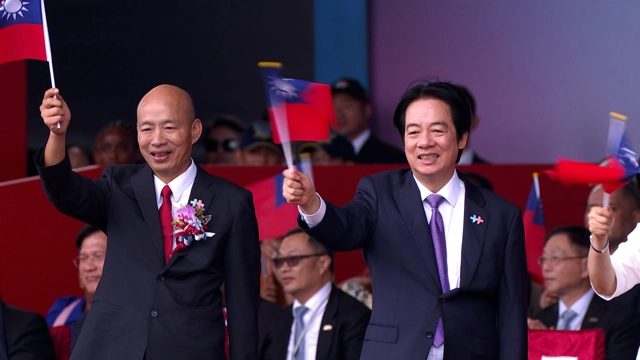 03:16
03:16