Domestic Drone Industry in Taiwan Caught in Budget Deadlock
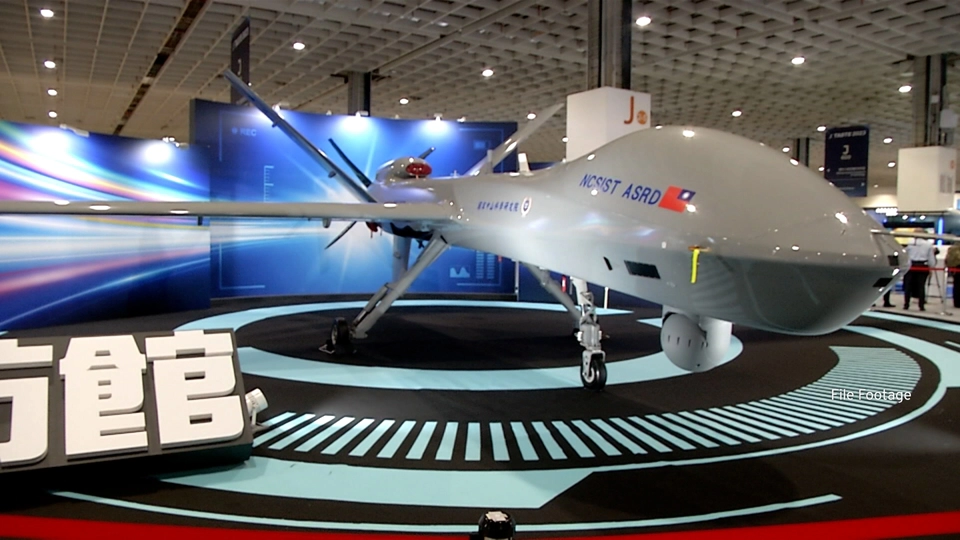
Taiwan's Cabinet proposed a roughly US$1.4 billion development plan for the drone sector, intended to position the country as a key player in what officials call a "democratic drone supply chain." But opposition lawmakers have frozen this year's funding, meaning the budget cannot be spent unless the legislature votes to release it, causing concern among industry watchers.
Drone Development Budget Debate
REPORTER:
Legislative debates over spending are focused on Taiwan's drone industry once again.
Chung Chia-pin (LEGISLATOR, DPP):
Industrial development should not be undermined by partisan interests or political infighting.
REPORTER:
The Cabinet approved a drone industry development plan worth roughly $1.4 billion US dollars, looking to expand market demand, improve technology and refine regulations. The goal is to make Taiwan the center of a “democratic” drone supply chain not reliant on China. China is the current market leader for drones, and many countries are seeking to lessen their dependence on its products. That presents an opportunity for Taiwan, if it can take advantage of it.
Tsou Yu-hsin (DEPUTY DIRECTOR GENERAL, INDUSTRIAL DEVELOPMENT ADMIN.):
On the demand side, we can expand domestic demand through government procurement while helping the drone industry alliance reach markets in Europe, the Americas and Japan creating stable and predictable market demand.
REPORTER:
But that plan has run into a roadblock. On Wednesday, opposition lawmakers voted to freeze the full amount allocated for this year, after originally proposing to cut the budget altogether. Legislative approval will be needed before the funds can be unfrozen and used.
Industry experts say this kind of legislative deadlock hurts the sector.
Li Kang (NATIONAL TAIWAN UNIVERSITY):
Our major electronics companies are unwilling to invest. They don't see sustainable orders in the long term or the prospect of mass production.
Lee Dong-sheng (DRONE MANUFACTURER):
Businesses have actually invested quite a lot. Policies need provide stable, long-term plans. Then we would better know where to put our investment. In times of uncertainty it is very difficult for us to assess our investments.
REPORTER:
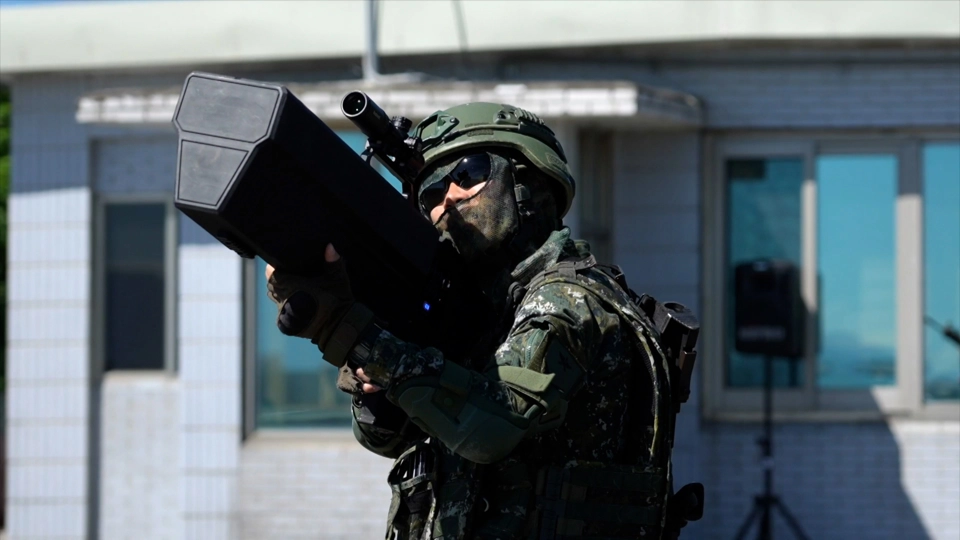
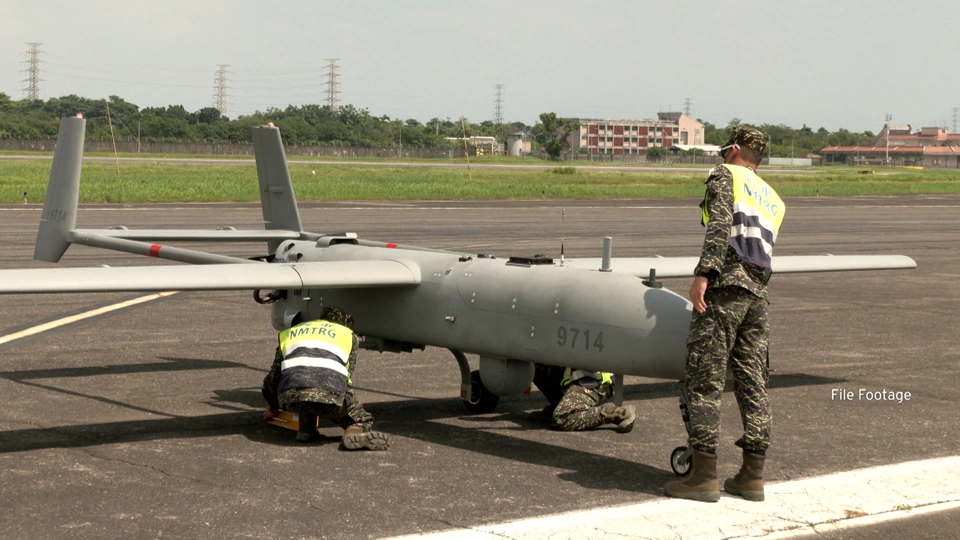
Apart from the economic arguments, drones are vital to Taiwan's future defense strategy. They would help the country overcome its manpower disadvantage, keep shipping lanes open, provide reconnaissance, protect critical infrastructure and more.
REPORTER:
What happens next is up to lawmakers, but whatever they decide will have a major impact on the industry's future.