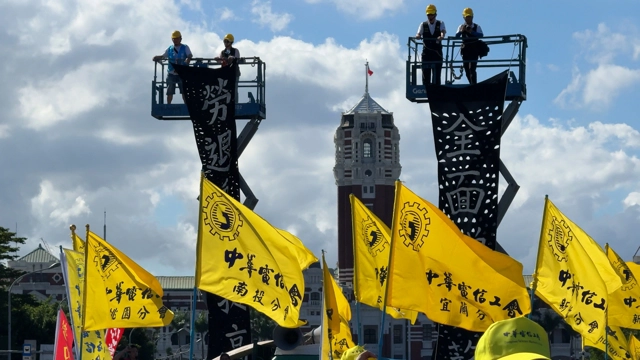
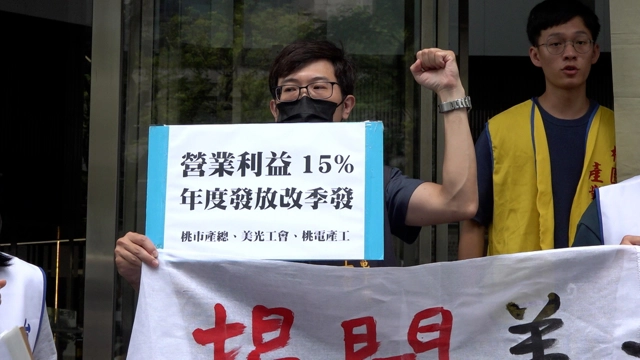
Frontline workers and civil servants chant together in front of the Presidential Office in Taipei... speaking out and holding large banners to get officials’ attention.
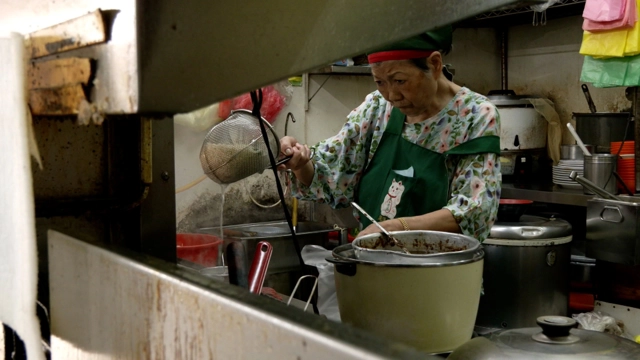
They're looking for better pay and guarantees. Over 70% of workers in Taiwan earn less than the country’s average salary… with people in the high-tech industry earning much higher wages that skew the average.
But as that sector booms amid the global AI rush, traditional industries and civil servants don't get a slice of that pie.
LIN CHANG-CHIH, NAT'L ASSOC. FOR FIREFIGHTERS:
"Our salaries haven’t gone up but our workload keeps adding up. There hasn’t been any adjustment at all. Meanwhile, more and more people have quit."
After decades of experiencing the cycle of negotiation with their employers and subsequent pushback... they have had enough.
IRENE LIN, TAIWANPLUS REPORTER:
"The groups here are making their demands loud and clear: fair pay, higher pensions, profit-based bonuses for everyone, and more comprehensive safety measures. But they say their employers, and the government, have ignored them."
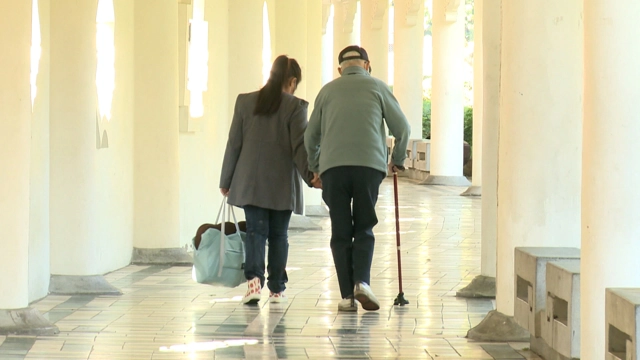
The organizer of the demonstration says the current 6% pension rate has left retirees with a monthly payout of less than 200 US dollars… hardly enough to cover rent in Taiwan.
And since the rules changed 20 years ago, many workers lost the benefits that used to come with over 15 years of service.
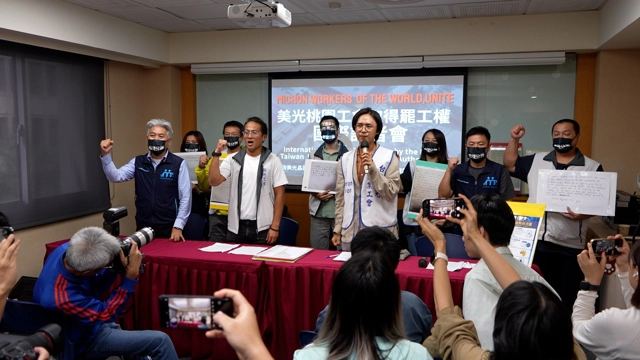
Ho Cheng-chia of a Taiwan labor advocacy group says groups have proposed changing the law to set a higher rate of 15%… and demanded that companies share a portion of their profits from AI and tech businesses with employees.
HO CHENG-CHIA, TSFCTU:
"Our government is advocating for AI dividends for everyone. [We think] now is exactly the time to fill a lot of the gaps in labor conditions while the economy is good. Otherwise, what bargaining chips do we have if the AI industry declines one day?"
Responding to the groups’ concerns, the labor ministry says it can only encourage companies to meet these requests... such as rewarding firms that offer higher pension rates and employee training for a better shot at getting a raise.
But groups say this is only the beginning of a wave of nationwide strikes... and as some candidates in the upcoming local elections are picking sides, labor issues may be a key factor at the ballot box next month.
 02:38
 00:53
 01:51
 00:52
 04:44
 00:53
 00:28
 05:35
 00:47
 02:37
 02:57
 03:57
 00:34
 02:46
 00:30
 03:37