Under Taiwan’s southern sea... vibrant coral reefs stretch across the ocean floor...
But with global warming causing water temperatures to rise... coral bleaching has become a crisis that marine biologists are working hard to solve.
And now, one team from Taiwan’s top research institute has found a unique treatment... probiotics.
LUO YI-JYUN, ASSISTANT RESEARCHER, ACADEMIA SINICA:
"By feeding the coral cells probiotics the corals will be able to adapt to environmental stress more effectively. If their surrounding waters become hotter they won’t bleach so easily."
The team added various types of probiotics to coral cell samples... and found some that not only improve the corals’ health ... but also build up their defenses for hotter habitats.
Although this technique is still in early trials... the team says it could be a big leap forward for coral reef restoration.
Taiwan's ocean conservation administration has been growing coral for years... and says it will continue to monitor areas of bleaching.
HUNG KUO-YAO, OCEAN CONSERVATION ADMIN.:
"We work with many partner agencies and some local environmental NGOs. They will report to us if they see coral bleaching and we will carry out a more accurate early warning and bleaching assessment."
Marine biologists say coral reefs are crucial habitats for thousands of species... bringing together plenty of fishery resources and minerals.
While parts of society try to combat global warming on land... these scientists are working to help marine ecosystems weather the changing environment.
 00:45
00:45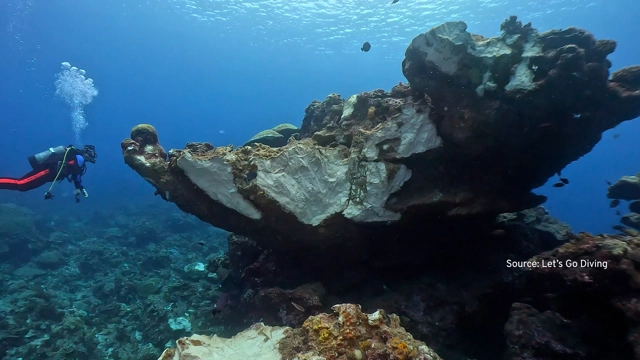 02:28
02:28 01:39
01:39 02:51
02:51 03:07
03:07 01:38
01:38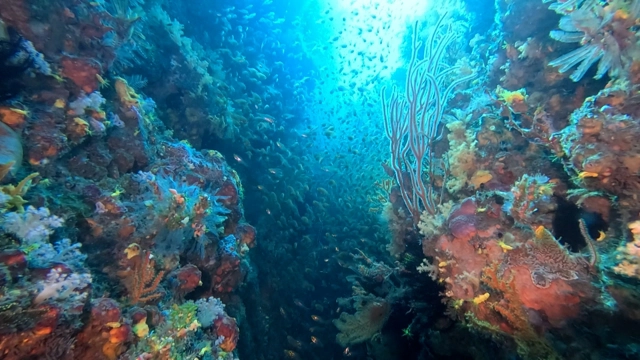 01:36
01:36 04:22
04:22 01:44
01:44 03:33
03:33 01:32
01:32 01:05
01:05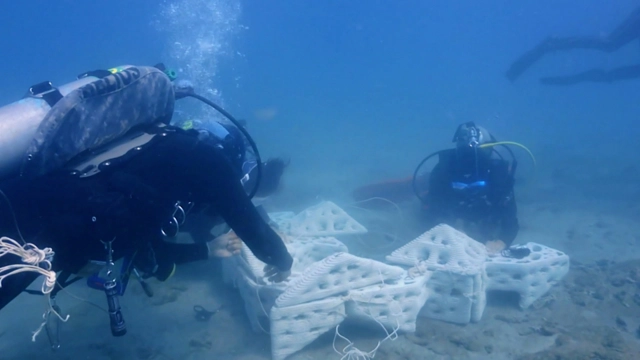 01:49
01:49 02:55
02:55 00:33
00:33 00:37
00:37